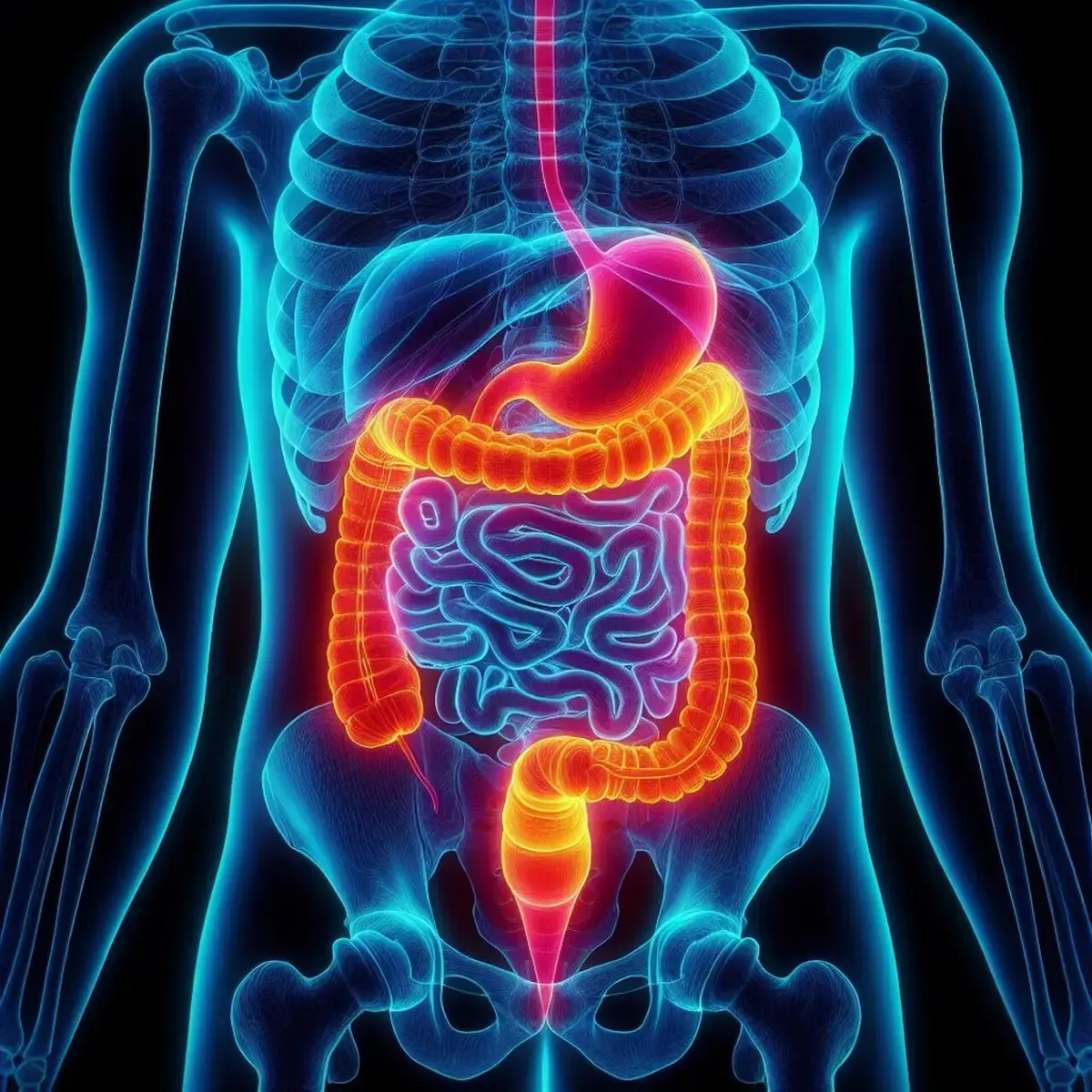
Gut Bacteria Linked to Body's Ageing Process
Unravelling the Gut-Ageing Connection
Researchers at the University of Hawaiʻi at Mānoa have discovered a link between certain gut bacteria and the rate at which the human body ages. This breakthrough provides new insights into the connection between gut health and longevity. The study was published recently.
Health news
 Sleep May Be the Heart's Nightly Repair Window, Study Suggests
 APOE Genotype Influences How Well Blood Tau Protein Predicts Cognitive Decline
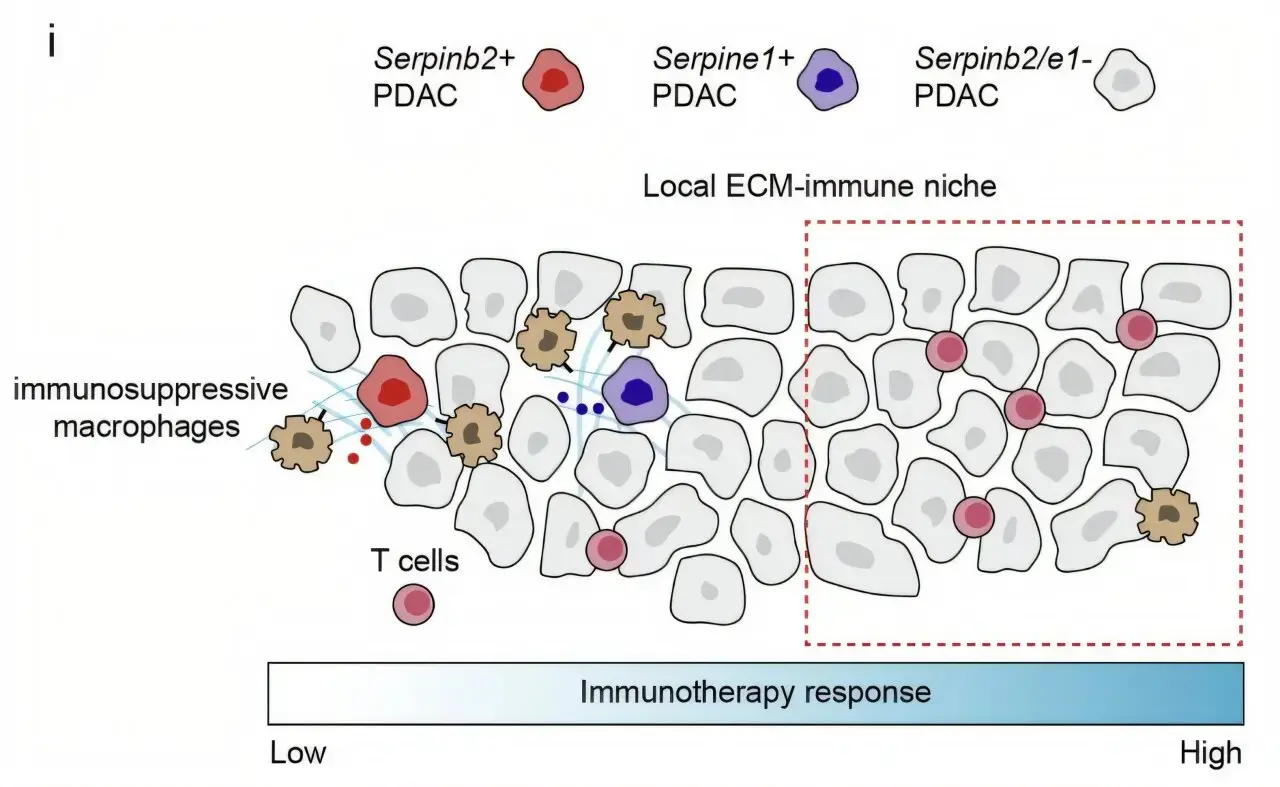 Pancreatic Cancer Hijacks Blood-Clotting System to Evade Immune Attack
 Survey Reveals Most Men Unaware Dairy May Increase Prostate Cancer Risk
The findings suggest that the gut microbiome plays a significant role in determining how quickly we age. By analysing the gut bacteria of participants, the researchers found that differences in the microbiome explained around 15% of the variation in ageing rates.
Can Gut Bacteria Predict Ageing Rates?
The study's results indicate that certain gut bacteria are associated with faster or slower ageing. The researchers believe that these bacteria may influence the body's ageing process through various mechanisms, including inflammation and metabolic changes. Further research is needed to understand the underlying processes.
The discovery has significant implications for our understanding of the ageing process. By identifying the specific gut bacteria linked to ageing, scientists may be able to develop new interventions to promote healthy ageing.
Frequently Asked Questions
The study's findings raise important questions about the potential for gut bacteria to serve as a biomarker for ageing rates. If certain gut bacteria are associated with faster ageing, it may be possible to develop tests to predict an individual's ageing trajectory.
The consequences of this research are far-reaching, with potential applications in the development of new therapies to promote healthy ageing. As scientists continue to unravel the complex relationships between the gut microbiome and ageing, we may uncover new ways to support healthy ageing and prevent age-related diseases.
Content written by Marcus Reid for wellness-bio-radar.com editorial team, AI-assisted.