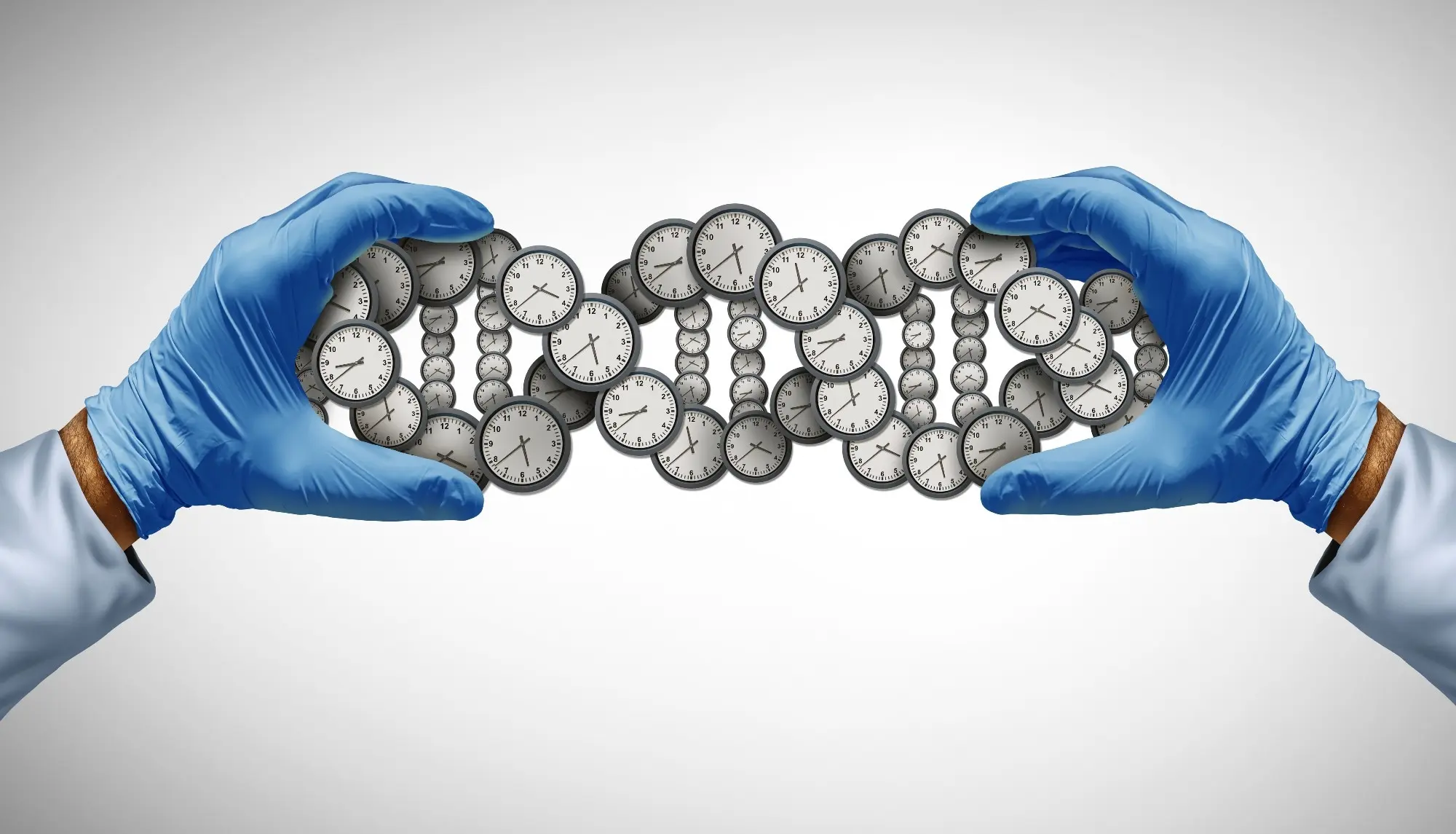
Scientists Identify Which Aging Biomarkers Respond Most Consistently to Longevity Interventions
Researchers noted that earlier clocks often failed to show consistent changes
Researchers analyzed 51 human longitudinal studies to determine which epigenetic aging biomarkers show the most reliable changes in response to longevity-promoting interventions. The review, published in August 2026, focused on DNA methylation patterns across diverse populations and intervention types, aiming to clarify inconsistencies in how biological age is measured. By comparing data from multiple long-term trials, the team sought to identify which biomarkers consistently reflect biological changes rather than random variation. The study found that second-generation epigenetic clocks, particularly those incorporating clinical health markers, demonstrated significantly greater responsiveness to interventions such as diet, exercise, and pharmacological treatments than first-generation models. These advanced clocks were better at detecting meaningful shifts in biological age across different study designs and populations.
Health news
 Sleep May Be the Heart's Nightly Repair Window, Study Suggests
 APOE Genotype Influences How Well Blood Tau Protein Predicts Cognitive Decline
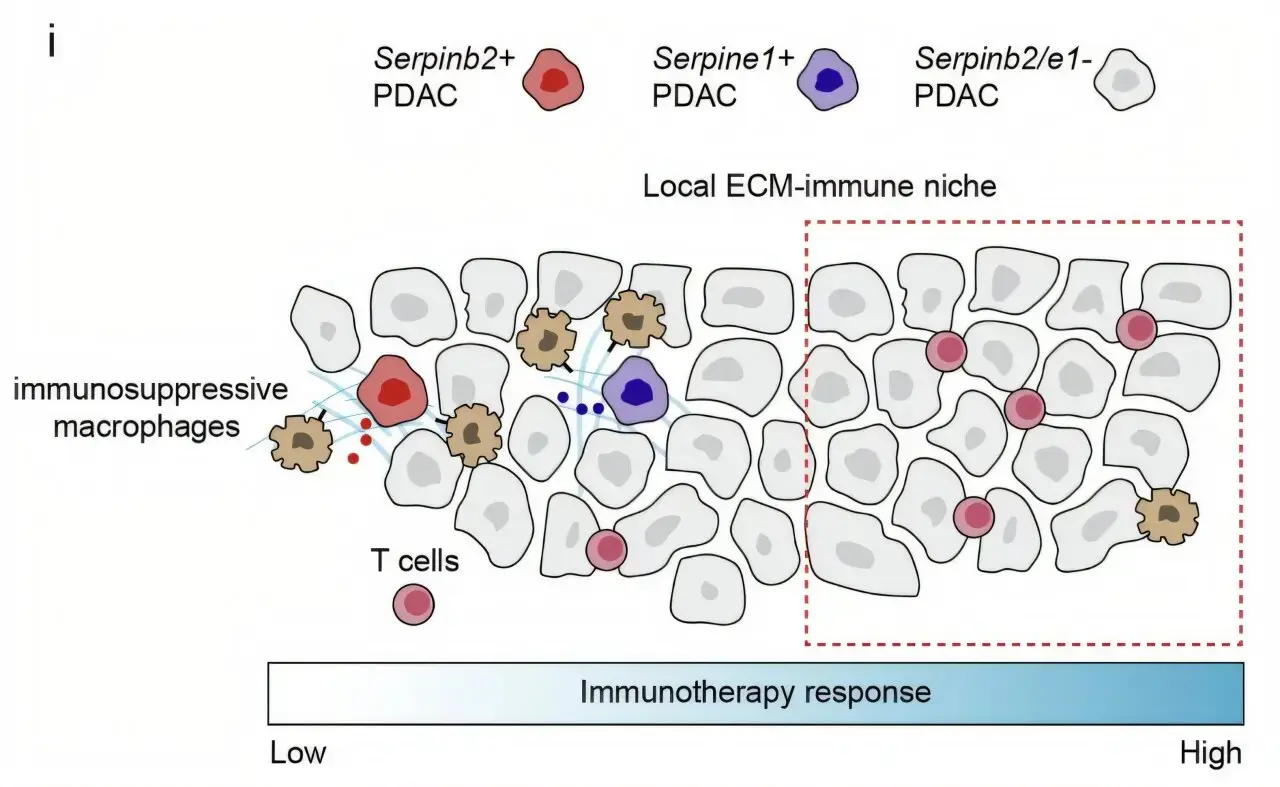 Pancreatic Cancer Hijacks Blood-Clotting System to Evade Immune Attack
 Survey Reveals Most Men Unaware Dairy May Increase Prostate Cancer Risk
Researchers noted that earlier clocks often failed to show consistent changes, limiting their usefulness in evaluating anti-aging therapies. Why Some Epigenetic Clocks Outperform Others in Tracking Aging The analysis revealed that biomarkers trained on phenotypic data—like blood chemistry and physical function—were more sensitive to intervention effects than those based solely on mortality risk. This suggests that clocks reflecting current physiological state capture dynamic changes more accurately than those predicting long-term outcomes. The findings imply that selecting the right biomarker is critical for assessing whether longevity strategies truly slow biological aging. How Reliable Are Current Biomarkers in Measuring Anti-Aging Effects? While second-generation clocks showed promise, variability remained across studies due to differences in intervention duration, participant age, and measurement techniques. Scientists emphasized the need for standardized protocols to improve comparability between trials.
They also highlighted that no single biomarker yet fully captures the complexity of aging, advocating for multi-marker approaches in future research. Frequently Asked Questions What makes a generation 2 epigenetic clock different from earlier models? Generation 2 clocks are trained using both methylation data and clinical health biomarkers, making them more responsive to physiological changes than first-generation clocks that predict mortality alone. Why do some epigenetic clocks fail to detect changes in aging studies? Earlier clocks may lack sensitivity to short-term interventions or be influenced by genetic noise, reducing their reliability in tracking biological age shifts over time. Can epigenetic clocks currently be used to prove an anti-aging treatment works? They show potential but are not yet definitive; consistent results across multiple biomarkers and standardized methods are needed before they can reliably validate therapeutic effects.
Content written by Claire Ashworth for wellness-bio-radar.com editorial team, AI-assisted.