The Secrets of Longevity Found in the World’s Oldest Tortoise
Decoding the Genetic Blueprint of Aging
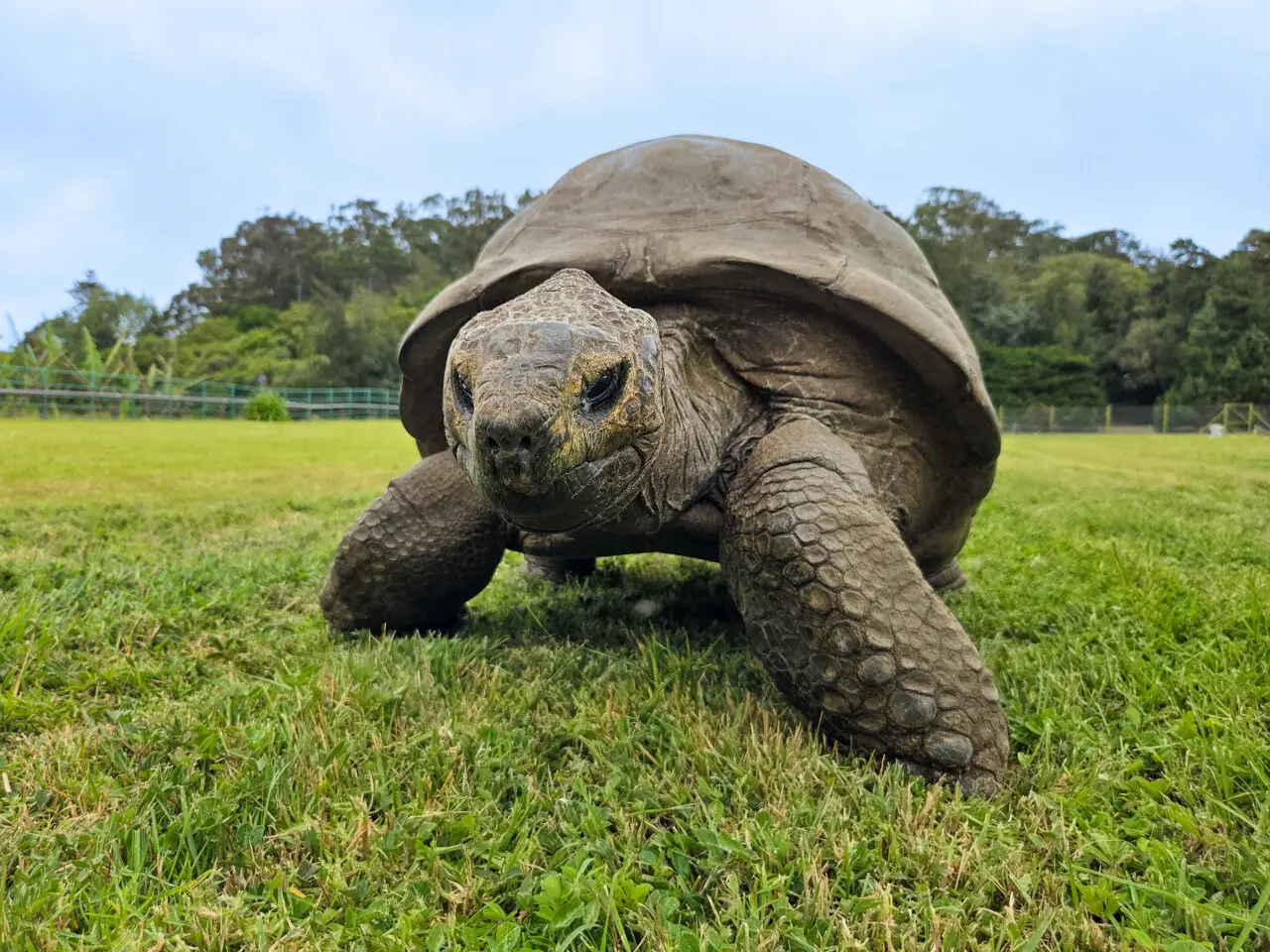
Jonathan, a Seychelles giant tortoise living on the remote island of St. Helena, is officially the oldest land animal on Earth. At over 190 years old, he has become the subject of a major international study. Researchers from Vanderbilt University Medical Center are currently analyzing his genetic code to uncover the biological mechanisms that allow him to avoid typical age-related decline.
Health news
 Beacon Biosignals Buys Snap Diagnostics to Expand Home Sleep Testing Reach
 The Scientific Reality of ADHD Diagnoses
 Revitalizing Aging Mice With New Geropeptide Trials
 Decoding the Limits of Biological Age Measurement Tools
The project brings together experts in neurology and advanced genomics to map Jonathan’s DNA. By comparing his genetic sequence to other tortoise species, the team hopes to identify specific variants associated with his remarkable resilience. This research aims to understand how his cells manage DNA repair and metabolic efficiency over two centuries.
Scientists believe Jonathan’s longevity is not merely a matter of luck. His genome may contain unique adaptations that protect him from oxidative stress and chronic inflammation. These biological processes are primary drivers of aging in humans and many other mammals. By isolating these protective genes, the team is looking for clues that could eventually inform medical treatments for age-related human diseases.
Could His DNA Extend Human Lifespans?
The tortoise’s environment also plays a role, but the focus remains on his internal biology. His ability to maintain healthy organ function while living through nearly two centuries of environmental changes is unprecedented. The researchers are particularly interested in how his cellular structures remain stable despite the passage of time.
While the study is in its early stages, the implications are significant for modern medicine. If scientists can pinpoint the exact mutations that safeguard Jonathan’s health, they might develop therapies to mimic these effects in people. This could lead to breakthroughs in treating neurodegenerative conditions or extending the healthy years of human life. The team expects that the data gathered from Jonathan will serve as a foundational resource for future gerontology research.
Frequently Asked Questions
The project represents a shift in how we view the aging process. Instead of treating age as an inevitable decay, researchers are treating it as a biological puzzle. Jonathan continues to live comfortably on the grounds of the Governor’s residence, unaware that his genetic makeup is currently being scrutinized by some of the world’s leading scientists.
What makes Jonathan a unique subject for genetic research? Jonathan is the oldest living land animal, providing a rare opportunity to study a genome that has survived for nearly two centuries without typical aging symptoms.
How could this research help human health? By identifying the specific genes that protect Jonathan from age-related damage, researchers hope to develop new treatments for human diseases linked to aging.
Content written by Medical Xpress for wellness-bio-radar.com editorial team, AI-assisted.