They’ve Known Each Other 80 Years—and Their Friendship Secret May Help You Live Longer
The Power of Showing Up in Person
In a small southern town in the 1940s, Martha and Lee met as children and have remained close friends ever since. Now in their late 80s, their enduring bond offers a real-life example of how lifelong friendships can influence health and longevity, supported by recent scientific findings.
Health news
 Sleep May Be the Heart's Nightly Repair Window, Study Suggests
 APOE Genotype Influences How Well Blood Tau Protein Predicts Cognitive Decline
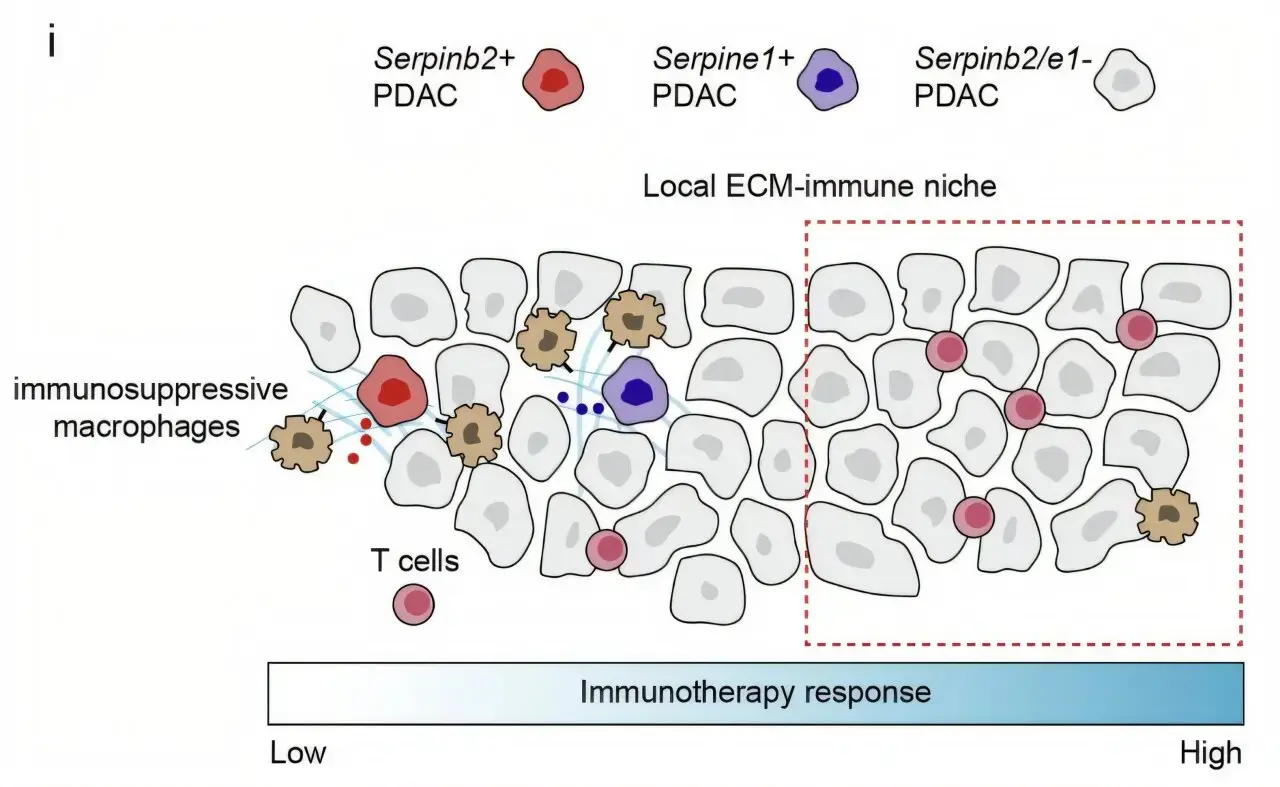 Pancreatic Cancer Hijacks Blood-Clotting System to Evade Immune Attack
 Survey Reveals Most Men Unaware Dairy May Increase Prostate Cancer Risk
Their story aligns with a 2025 study showing that adults who maintain positive, stable friendships over decades experience slower biological aging. Researchers found that consistent social connection reduces stress hormones and inflammation, both linked to age-related decline. For Martha and Lee, weekly visits, shared meals, and honest conversations have been constants through marriages, careers, and losses.
What Habits Keep a Friendship Strong for 80 Years?
Martha emphasizes that their friendship thrives not through texts or calls, but through face-to-face time. „We sit on the porch, shell peas, and talk about everything,” she says. Lee adds that listening without judgment has been key. The study notes that in-person interaction triggers oxytocin release, which strengthens emotional bonds and buffers against loneliness—a known risk factor for early mortality.
Both friends credit small, repeated actions: showing up even when inconvenient, remembering small details about each other’s lives, and avoiding grudges. „We’ve disagreed, but we never let the sun go down angry,” Martha says. These habits mirror the study’s findings that forgiveness, consistency, and mutual respect predict long-term friendship stability and associated health benefits.
Frequently Asked Questions
How does friendship affect biological aging? Chronic loneliness increases inflammation and stress, accelerating cellular aging. Strong friendships counteract this by promoting relaxation and emotional support, which slow telomere shortening—a key marker of biological age.
Can forming friendships later in life still help? Yes. The study found that adults who built meaningful connections after age 60 still showed measurable improvements in stress markers and mood, though lifelong bonds offered the strongest protection against decline.
Content written by Marcus Reid for wellness-bio-radar.com editorial team, AI-assisted.