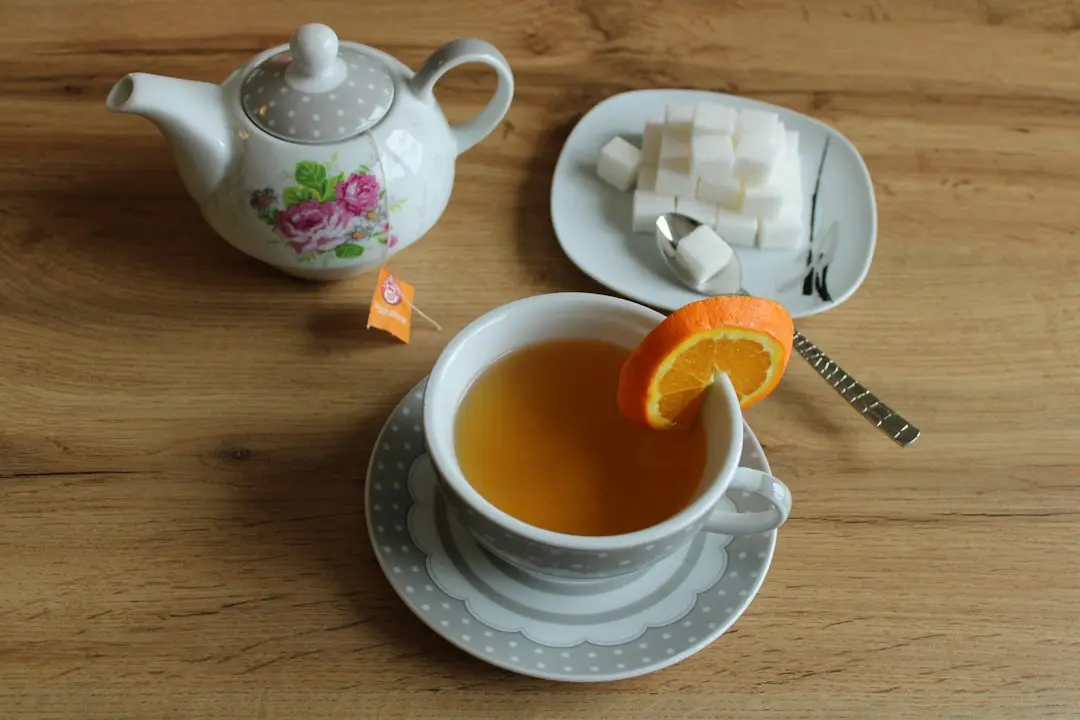
Daily Tea Habit Linked to Lower Heart Disease Risk
Why Tea May Protect the Heart
Researchers report that drinking six to eight cups of tea per day is associated with an 11 percent reduction in vascular disease risk. The study also found a 37 percent lower risk of ischemic stroke and a 17 percent lower risk of heart attack among regular tea drinkers.
Health news
 Exercise and Mood: Italian Study Links Physical Activity to Lower Depression Symptoms
 Screen Time in Childhood Linked to Unexpected Cognitive Boost in Teens, 8‑Year Study Shows
 Workplace stress and anxiety are taking a heavy toll on employees, with one in three workers reporting that the strain is not easing
 Daily Food Habit Tied to Lower Risk of Anxiety and Depression
The findings come from a large-scale study examining the relationship between tea consumption and cardiovascular health. Both black and green tea appear to offer protective benefits. The data suggests that making tea a daily ritual could be a simple step toward better heart health.
Tea contains bioactive compounds that help reduce inflammation and improve blood vessel function. These compounds work to lower blood pressure and improve cholesterol profiles. The study highlights that consistency matters more than the specific type of tea.
Is More Tea Always Better?
The data points to a sweet spot between six and eight cups daily. Drinking less than this amount showed weaker protective effects. However, the researchers caution that individual health conditions should guide consumption levels.
The study opens the door to practical dietary advice. Doctors may soon recommend tea as part of a heart-healthy lifestyle. More research is needed to confirm these findings across diverse populations.
Frequently Asked Questions
Does green tea work better than black tea? The study found both types offer similar cardiovascular benefits. No single type showed a clear advantage over the other.
How many cups of tea should I drink daily? The research links six to eight cups per day to the strongest protective effect. Individual tolerance and caffeine sensitivity should guide your intake.
Can tea replace medication for heart disease? No. Tea is a supportive dietary habit, not a substitute for prescribed treatment. Always consult your doctor before making major changes.