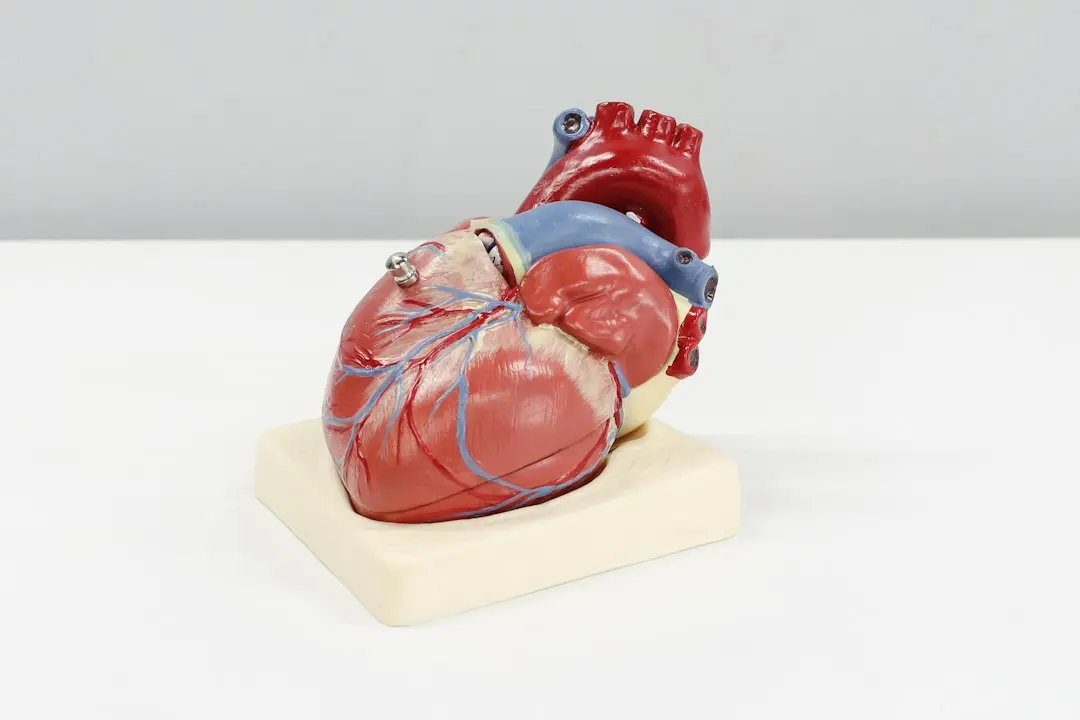
Heartbeat Variations Expose Early Heart Disease Before Symptoms Appear
Why Heartbeat Timing Matters More Than Heart Rate
Researchers at Tampere and Stanford universities have developed a method to detect early signs of cardiomyopathy. This hereditary heart disease often shows no symptoms in its initial stages. The team analyzed subtle variations in heart rhythm data. They found that these patterns shift before conventional clinical measures detect problems. The findings were published in the journal Circulation.
Health news
 Exercise and Mood: Italian Study Links Physical Activity to Lower Depression Symptoms
 Screen Time in Childhood Linked to Unexpected Cognitive Boost in Teens, 8‑Year Study Shows
 Workplace stress and anxiety are taking a heavy toll on employees, with one in three workers reporting that the strain is not easing
 Daily Food Habit Tied to Lower Risk of Anxiety and Depression
The human heart does not beat like a metronome. Even at rest, the interval between heartbeats constantly changes. This natural variability is a key indicator of cardiovascular health. When the heart is under stress from disease, this variability alters in predictable ways. Doctors can now use these changes as an early warning sign.
Can This Method Replace Standard Diagnostics?
Conventional diagnostics rely on echocardiograms and blood tests. These tools often miss early-stage cardiomyopathy. Heart rhythm variability provides a different window into heart health. The researchers measured the time gaps between consecutive beats. They identified specific patterns that correlate with disease progression. This approach offers earlier detection than waiting for structural changes to become visible on imaging.
Not yet, but it could complement existing tests. The study demonstrates that rhythm data captures information invisible to standard measures. Clinicians may use it as a screening tool. It helps identify patients who need closer monitoring. The method does not replace imaging but adds a layer of sensitivity.
What exactly is cardiomyopathy? Cardiomyopathy is a group of diseases that affect the heart muscle. It can be hereditary or acquired. Early detection is critical because treatment works best before permanent damage occurs.
Frequently Asked Questions
How is heart rhythm variability measured? It is calculated from electrocardiogram data. Researchers measure the time between each heartbeat. Statistical analysis reveals patterns that indicate disease presence.
Is this test available in clinics now? The method is still in the research phase. It requires specialized software to process the data. Clinical adoption will depend on validation studies and integration into existing workflows.