
Hypertension Risk in Diabetic Patients Uncovered in Eye Clinics
Uncovering Hidden Hypertension
A recent study found over half of adults with diabetes had uncontrolled high blood pressure, often undiagnosed, during visits to ophthalmology clinics. The case series examined patients receiving eye care. Researchers highlighted the importance of monitoring blood pressure in this high-risk group.
Health news
 Sleep May Be the Heart's Nightly Repair Window, Study Suggests
 APOE Genotype Influences How Well Blood Tau Protein Predicts Cognitive Decline
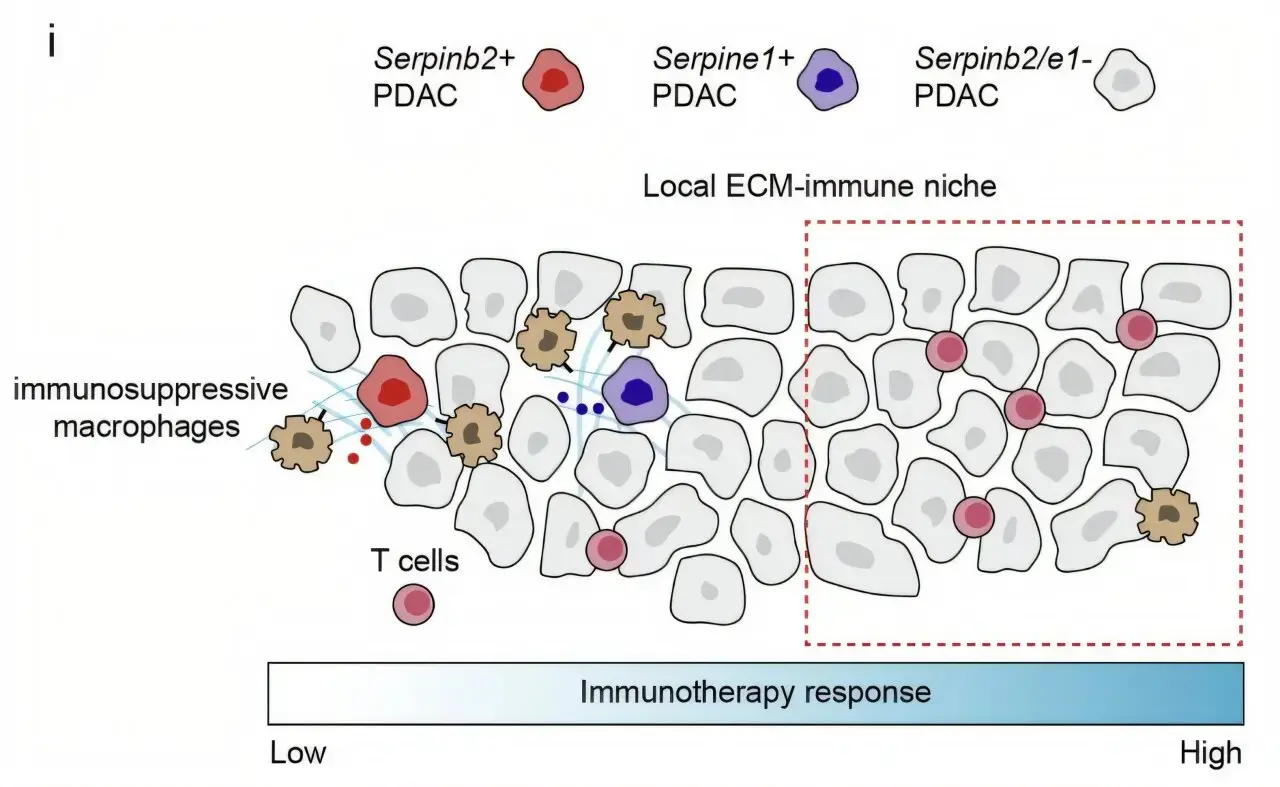 Pancreatic Cancer Hijacks Blood-Clotting System to Evade Immune Attack
 Survey Reveals Most Men Unaware Dairy May Increase Prostate Cancer Risk
Diabetes and hypertension often coexist, increasing the risk of cardiovascular and kidney complications. Regular eye exams can help identify patients with uncontrolled hypertension, allowing for early intervention. The study's findings emphasize the need for comprehensive care in ophthalmology clinics.
Can Eye Clinics Help Prevent Complications?
The study revealed that many diabetic patients had uncontrolled blood pressure, with some cases previously undiagnosed. This highlights the importance of routine blood pressure checks during eye exams. By identifying these patients, clinicians can facilitate timely referrals and treatment.
Early detection of hypertension in diabetic patients can significantly reduce the risk of associated complications. By integrating blood pressure monitoring into routine eye care, ophthalmologists can play a crucial role in preventing cardiovascular and kidney disease.
Frequently Asked Questions
Uncontrolled hypertension can lead to severe consequences, including heart disease, stroke, and kidney failure. By identifying and managing hypertension in diabetic patients, clinicians can improve patient outcomes and reduce the risk of long-term complications.
What is the link between diabetes and hypertension? How can eye clinics help identify hypertension? Routine blood pressure checks during eye exams can help identify patients with uncontrolled hypertension. What are the benefits of early detection? Early detection can facilitate timely referrals and treatment, reducing the risk of associated complications.
Content written by Dr. Nathan Cole for wellness-bio-radar.com editorial team, AI-assisted.