
Drugmaker Sues Competitor Over Weight-Loss Claims
The Rise of GLP-1 Medications
Novo Nordisk has filed a lawsuit against Eli Lilly. The suit claims false advertising regarding the effectiveness of their weight-loss medications. This legal action highlights intense competition in the rapidly growing market for these drugs.
Health news
 Sleep May Be the Heart's Nightly Repair Window, Study Suggests
 APOE Genotype Influences How Well Blood Tau Protein Predicts Cognitive Decline
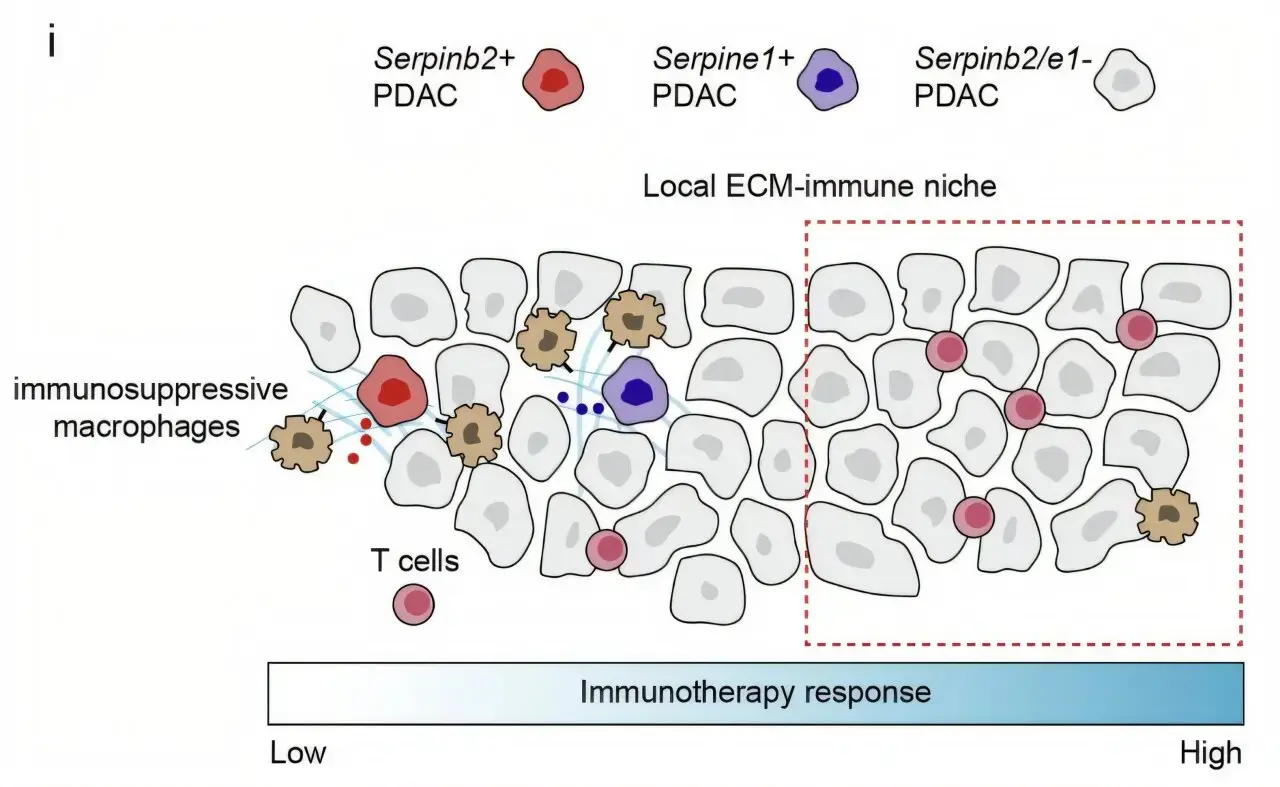 Pancreatic Cancer Hijacks Blood-Clotting System to Evade Immune Attack
 Survey Reveals Most Men Unaware Dairy May Increase Prostate Cancer Risk
The dispute centers on how each company presents its drug's performance. Both firms produce GLP-1 agonists, a class of drugs increasingly popular for weight management. This legal battle could set new precedents for pharmaceutical advertising standards.
The use of GLP-1 drugs has seen a dramatic increase. Between 2017 and 2022, usage among adults with diabetes climbed by 230%. For those without diabetes, the surge was even more pronounced, jumping by 643%. These figures underscore the widespread adoption of these treatments.
What Are the Implications for Patients?
This growth is documented in national health data. The drugs are prescribed for both diabetes management and weight loss. Their rising popularity reflects a significant shift in medical treatment approaches.
The outcome could affect how pharmaceutical companies promote their products. It might lead to stricter regulations on advertising claims. Patients could benefit from clearer, more factual information.
The legal challenge also brings attention to the financial stakes involved. The market for GLP-1 drugs is highly lucrative. Companies are vying for a larger share of this expanding sector. The lawsuit's resolution will be closely watched by the industry.
Frequently Asked Questions
What are GLP-1 drugs? GLP-1 drugs are a class of medications that help control blood sugar and can lead to weight loss. They work by mimicking a natural hormone in the body.
Why is Novo Nordisk suing Eli Lilly? Novo Nordisk alleges that Eli Lilly made false advertising claims about the superior weight-loss performance of its drug. The lawsuit aims to challenge these marketing statements.
How has GLP-1 drug use changed recently? Usage of GLP-1 drugs has increased significantly in recent years. There was a 230% rise in adults with diabetes and a 643% rise in those without diabetes between 2017 and 2022.
Content written by Dr. Elena Voss for wellness-bio-radar.com editorial team, AI-assisted.