
Micron Biomedical Secures Major Funding for Radiation Countermeasure Patch
Advancing Radiation Injury Treatment
Micron Biomedical, a firm specializing in pain-free drug delivery methods, has been awarded a significant contract. The National Institute of Allergy and Infectious Diseases (NIAID) granted $4.5 million to the company. This funding will support the development of a microneedle patch designed to treat radiation injuries. The announcement came on July 27.
Health news
 Sleep May Be the Heart's Nightly Repair Window, Study Suggests
 APOE Genotype Influences How Well Blood Tau Protein Predicts Cognitive Decline
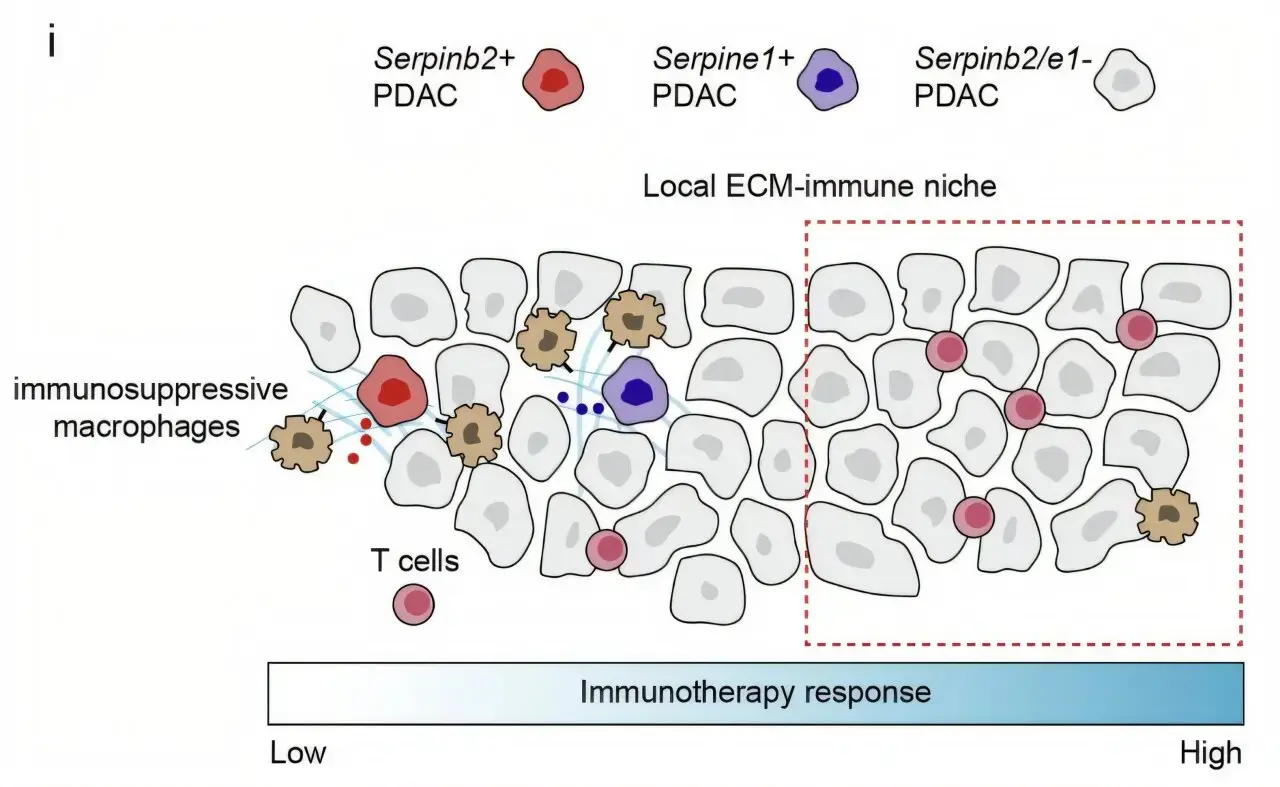 Pancreatic Cancer Hijacks Blood-Clotting System to Evade Immune Attack
 Survey Reveals Most Men Unaware Dairy May Increase Prostate Cancer Risk
The contract was issued through NIAID's Radiation and Nuclear Countermeasures Program. This initiative focuses on developing medical solutions for exposure to radiation. Micron Biomedical's innovative approach uses a dissolvable microarray-based drug delivery system.
The core of Micron Biomedical's project is a unique microneedle patch. This patch aims to deliver vital medication directly into the body. Its design promises a painless application, a key advantage for patients. The technology could revolutionize how radiation exposure victims receive urgent care.
How Does a Microneedle Patch Work?
Traditional drug delivery methods can be complex and invasive. This new patch offers a simpler, more accessible alternative. It could be administered quickly in emergency situations. This ease of use is crucial during a public health crisis involving radiation.
The microneedle patch contains tiny, dissolving needles. These needles are so small they do not cause pain. They deliver medication just beneath the skin's surface. Once the drug is released, the needles simply dissolve away.
This method ensures precise drug dosage and rapid absorption. It bypasses the need for injections or oral medications. This makes it ideal for administering sensitive drugs or in situations where medical personnel are limited. The technology has potential beyond radiation treatment.
The $4.5 million investment underscores the importance of this research. It highlights a commitment to preparing for potential radiation incidents. Micron Biomedical's work could significantly improve outcomes for those affected by radiation exposure. This development marks a hopeful step forward in medical preparedness.
Frequently Asked Questions
What is the purpose of the NIAID contract? The contract aims to fund the development of a microneedle patch. This patch will be used to deliver medication to treat radiation injuries. It is part of a broader program to counter radiation and nuclear threats.
How does the microneedle patch deliver drugs? The patch uses tiny, dissolvable needles to deliver medication. These needles are painless and release the drug directly under the skin. After delivery, the needles simply dissolve, leaving no residue.
What are the benefits of this new delivery method? The microneedle patch offers a painless and efficient way to administer drugs. It can be used quickly in emergencies and ensures precise dosing. This method avoids traditional injections and oral medications.
Content written by Dr. Elena Voss for wellness-bio-radar.com editorial team, AI-assisted.