Brain Aging Accelerates with Alzheimer's and Mental Health Conditions
Unpacking Brain Age Across Conditions
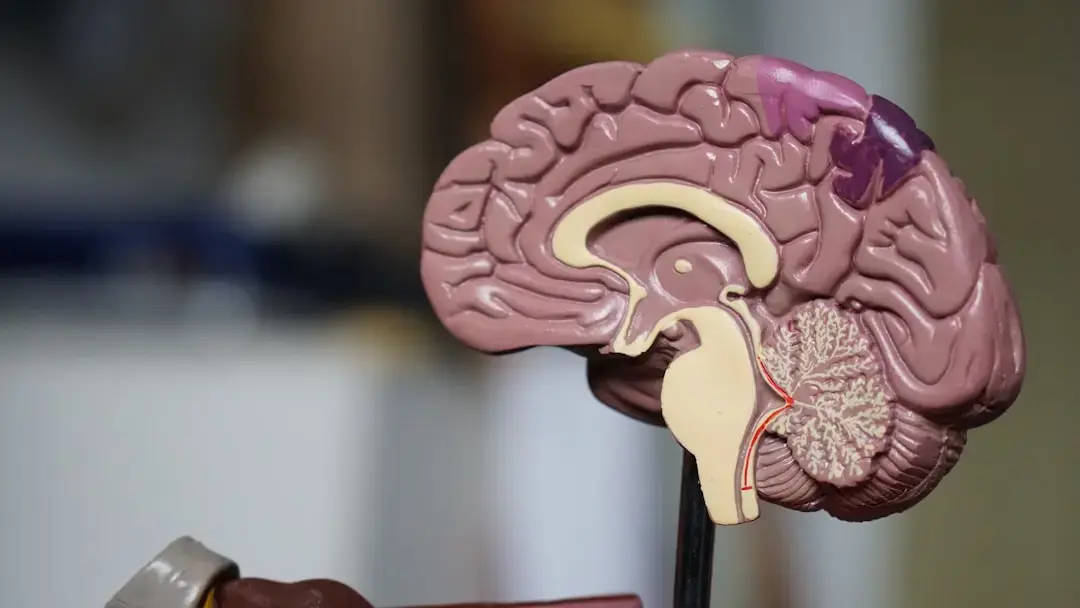
A new study has revealed that Alzheimer's disease and mild cognitive impairment significantly speed up brain aging. Researchers analyzed brain scans from nearly 46,000 healthy individuals and almost 2,700 people with various conditions. They found a clear link between certain disorders and an older brain agethan expected.
Health news
 Sleep May Be the Heart's Nightly Repair Window, Study Suggests
 APOE Genotype Influences How Well Blood Tau Protein Predicts Cognitive Decline
 Pancreatic Cancer Hijacks Blood-Clotting System to Evade Immune Attack
 Survey Reveals Most Men Unaware Dairy May Increase Prostate Cancer Risk
The team used a measurement called Predictive Age Difference (PAD) to quantify this accelerated aging. This metric compares a person's chronological age to the estimated age of their brain based on structural MRI scans. Higher PAD values indicate a brain that appears older than the person actually is.
Alzheimer's disease and mild cognitive impairment showed the most pronounced brain aging effects. Patients with these conditions consistently displayed brains that looked years older than their actual age. This finding underscores the severe impact these neurodegenerative diseases have on brain structure.
How Does Brain Aging Differ?
Beyond cognitive decline, psychiatric disorders also contributed to accelerated brain aging. Conditions like schizophrenia and bipolar disorder showed a notable increase in PAD scores. Substance use disorders, including alcohol and drug addiction, similarly demonstrated an older brain age compared to healthy controls. This suggests a broader range of factors can influence how quickly our brains age.
The study's comprehensive approach allowed for a direct comparison of brain aging across nine distinct conditions. While Alzheimer's topped the list, the research highlights that mental health issues and substance abuse also take a toll. This suggests that brain health is intricately linked to overall well-being, both physical and mental.
The findings provide valuable insights into the biological mechanisms underlying these conditions. Understanding which disorders accelerate brain aging most could lead to better diagnostic tools and earlier interventions. It also emphasizes the importance of addressing mental health and substance abuse for long-term brain preservation.
Frequently Asked Questions
What is Predictive Age Difference (PAD)? PAD is a measure that compares a person's actual age to the estimated age of their brain based on MRI scans. A higher PAD score means the brain appears older than the person's chronological age.
Which conditions showed the highest accelerated brain aging? Alzheimer's disease and mild cognitive impairment exhibited the most significant acceleration in brain aging. Psychiatric disorders and substance use disorders also showed notable increases in brain age.
Why is understanding accelerated brain aging important? This understanding can help in developing earlier diagnostic methods and more effective treatments for various neurological and psychiatric conditions. It highlights the impact of different disorders on brain health.
Content written by Dr. Nathan Cole for wellness-bio-radar.com editorial team, AI-assisted.