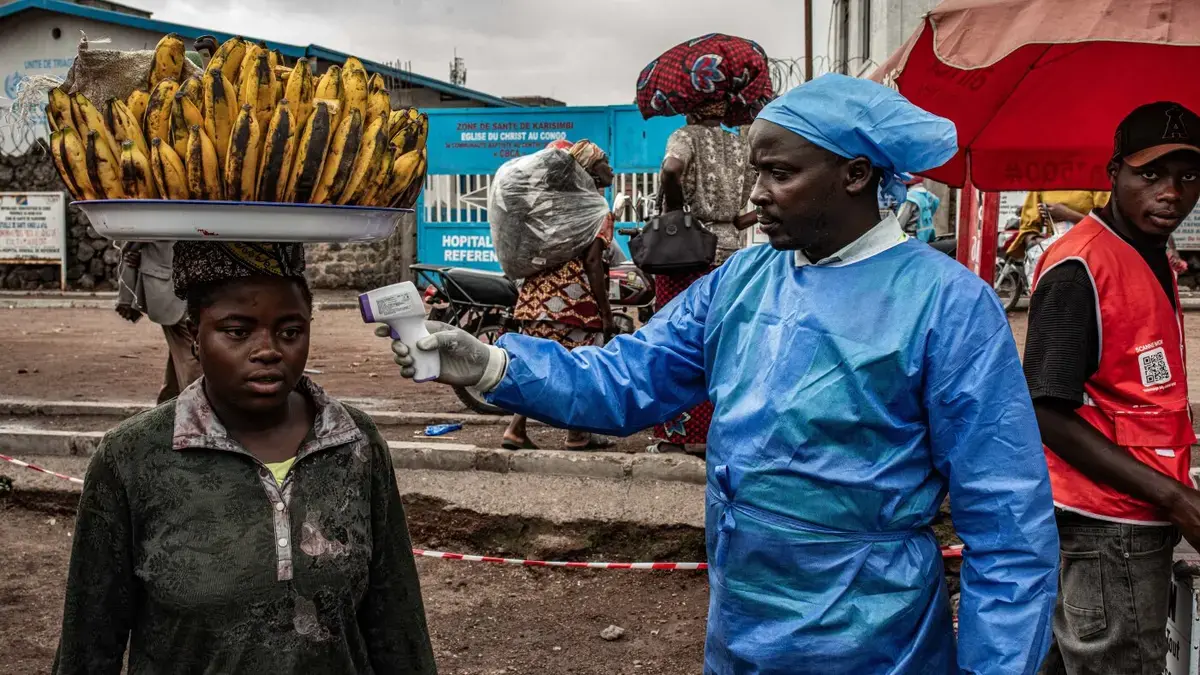
Ebola Outbreak in Congo Gets First Clinical Trial of Experimental Therapy
New Antibody Cocktail Tested in Goma
A clinical trial began this week in Goma, eastern Democratic Republic of Congo, enrolling the first patients infected with the new Ebola strain. Health workers are administering an experimental antibody cocktail while monitoring patients closely. The trial aims to assess safety and efficacy against a virus that has no approved treatment.
Health news
 Sleep May Be the Heart's Nightly Repair Window, Study Suggests
 APOE Genotype Influences How Well Blood Tau Protein Predicts Cognitive Decline
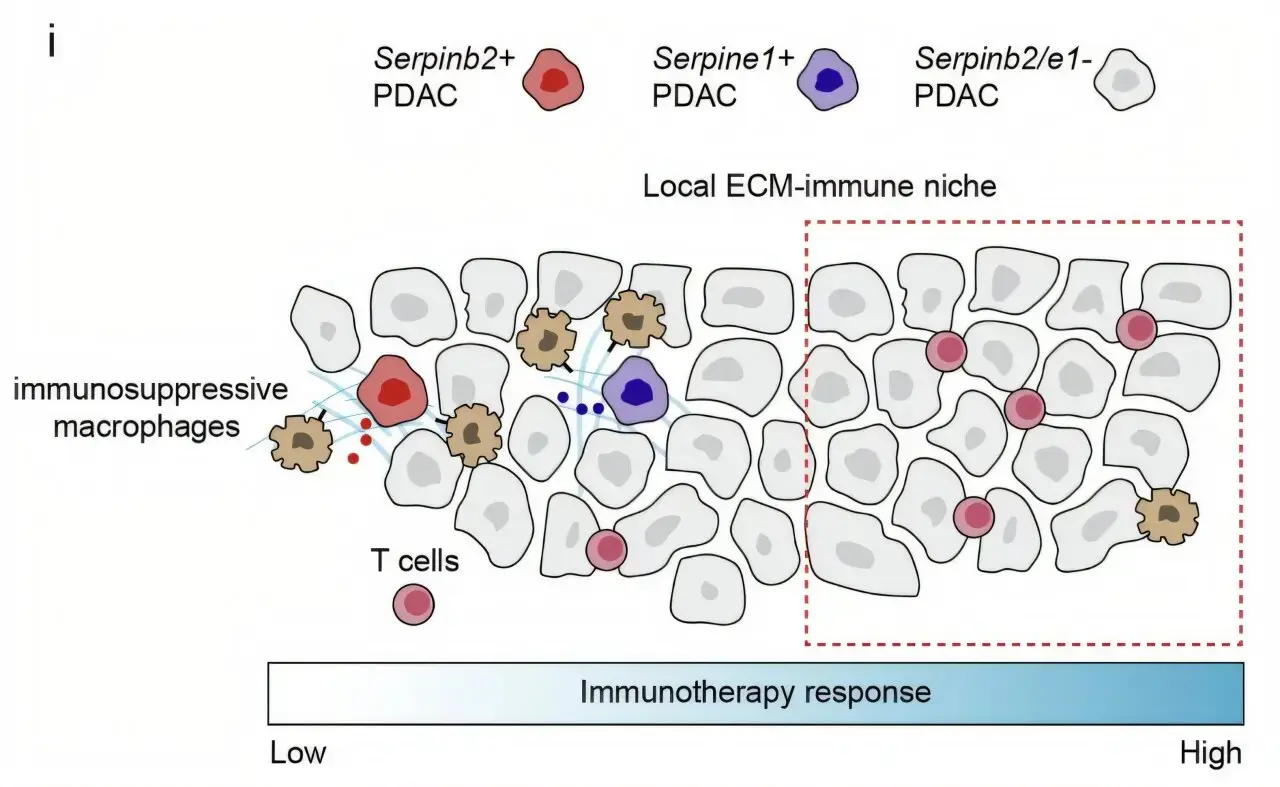 Pancreatic Cancer Hijacks Blood-Clotting System to Evade Immune Attack
 Survey Reveals Most Men Unaware Dairy May Increase Prostate Cancer Risk
The outbreak, declared in early 2026, involves a variant of the Sudan‑type Ebola virus. Unlike the West African strain of 2014, this version does not respond to the monoclonal antibodies used in previous outbreaks. The World Health Organization and Congo’s Ministry of Health have struggled to contain the disease with standard isolation and supportive care. With mortality hovering near 60 percent, officials say a targeted therapy is urgently needed.
The trial uses a three‑antibody combination developed by a multinational research consortium. The drugs bind to the virus’s surface protein, preventing it from entering human cells. „We have a scientific rationale that these antibodies can neutralize the virus,” said Dr. Marie Kambale, lead investigator for the study. The first participants received a single intravenous dose under strict clinical supervision. Researchers will track viral load, symptom progression, and any adverse reactions for 28 days.
Can the Experimental Drug Stop the Outbreak?
Early data from similar compounds in animal models showed up to an 80 percent reduction in mortality. However, experts caution that human outcomes can differ. „We are hopeful but realistic,” Dr. Kambale added. The trial follows rigorous ethical guidelines, with informed consent obtained from each patient or their family. International partners have supplied the investigational product free of charge.
Health officials hope the trial will provide a viable treatment option if the antibodies prove effective. A successful result could change the response strategy for future Ebola emergencies. „If this works, we could move from containment to cure,” said Dr. Jean‑Claude Mbala, Congo’s deputy health minister. The trial will enroll up to 100 patients across several treatment centers, allowing researchers to compare outcomes with historical controls.
The trial’s timeline is tight. Results are expected within three months, after which the WHO will review the data for possible emergency use authorization. Meanwhile, vaccination campaigns continue in high‑risk zones, and border screenings remain in place. The combination of preventive measures and a potential therapy offers a multi‑layered defense against the virus.
If the antibody cocktail demonstrates safety and reduces deaths, it could become the first approved therapy for this Ebola strain. That would give clinicians a tool beyond supportive care and could lower the outbreak’s fatality rate dramatically. Conversely, a negative outcome would underscore the need for continued research into broad‑spectrum antivirals. For now, the trial represents the most concrete hope for patients and families affected by the disease.
Frequently Asked Questions
What is the experimental treatment being tested? It is a cocktail of three monoclonal antibodies designed to block the Ebola virus from entering cells, administered as a single IV dose.
How many patients are involved in the trial? The study plans to enroll up to 100 confirmed Ebola cases across several treatment sites in eastern Congo.
When will the results be available? Researchers aim to release preliminary safety and efficacy data within three months of the first dosing, pending WHO review.
Content written by Dr. Nathan Cole for wellness-bio-radar.com editorial team, AI-assisted.