Fingertip Sensor Detects Stress and Anxiety Patterns
Unlocking the Body's Stress Signals
Scientists have revealed that data gathered from a person's fingertip might help pinpoint physical signs related to stress and anxiety. This breakthrough could lead to new ways of understanding and managing these common conditions. The research focuses on subtle physiological changes that occur during stressful moments.
Health news
 Sleep May Be the Heart's Nightly Repair Window, Study Suggests
 APOE Genotype Influences How Well Blood Tau Protein Predicts Cognitive Decline
 Pancreatic Cancer Hijacks Blood-Clotting System to Evade Immune Attack
 Survey Reveals Most Men Unaware Dairy May Increase Prostate Cancer Risk
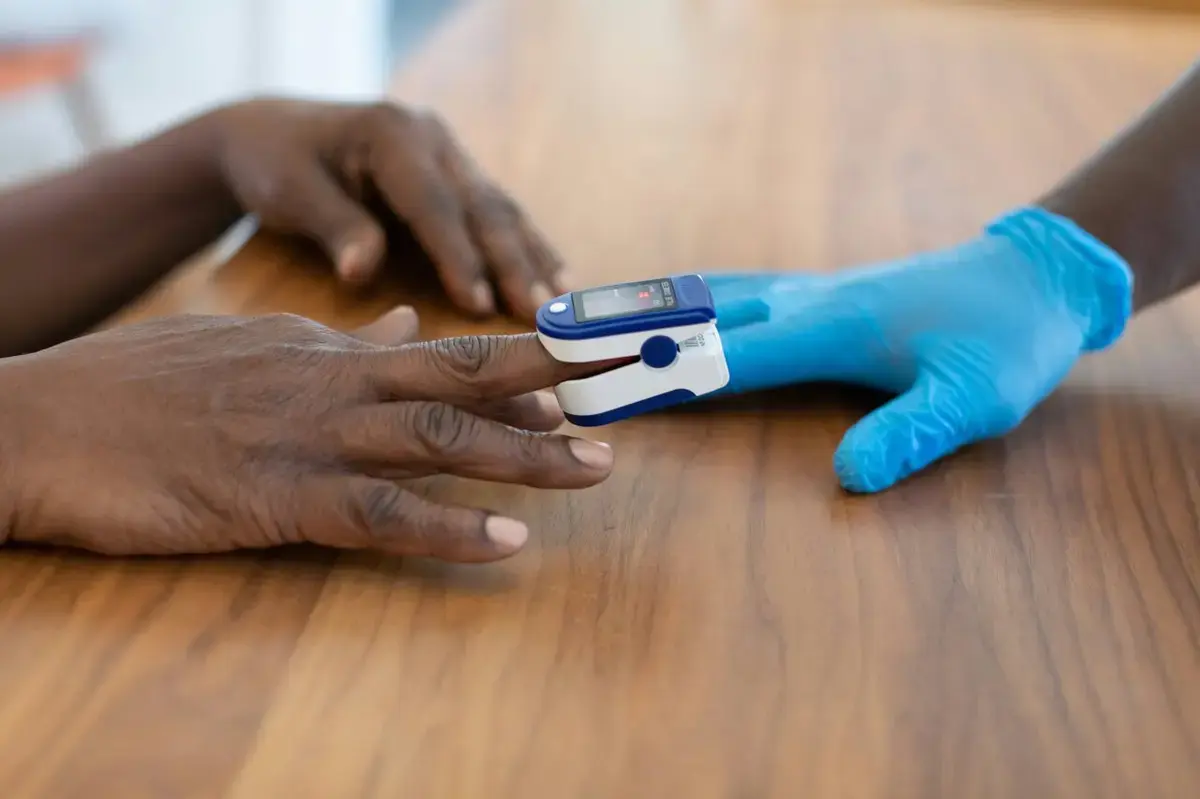
The study involved analyzing various metrics from wearable sensors placed on the fingertip. These sensors are designed to capture a range of biological signals. The aim was to find consistent patterns that correlate with reported feelings of stress and anxiety.
The team identified specific physiological responses that appear to be linked to mental states. These include changes in heart rate variability, skin conductance, and skin temperature. By monitoring these indicators, researchers could observe how the body reacts under pressure. This offers a more objective measure than self-reporting alone.
How Could This Technology Be Used?
This technology could provide real-time insights into an individual's stress levels. It moves beyond traditional methods that often rely on questionnaires or clinical assessments. The sensors are non-invasive and can be worn continuously, offering a constant stream of data.
The potential applications for this fingertip sensor are wide-ranging. It could help individuals become more aware of their own stress triggers. Therapists might use the data to tailor interventions more effectively. Early detection of rising anxiety levels could also prevent more severe episodes.
Further development is needed to refine the sensor's accuracy and usability. However, the initial findings are promising for future mental health support. This innovative approach could empower people to better manage their well-being.
Frequently Asked Questions
What kind of data does the fingertip sensor collect? The sensor collects physiological data such as heart rate variability, skin conductance, and skin temperature. These measurements help to identify the body's responses to stress.
How could this research benefit individuals with anxiety? It could help individuals identify personal stress triggers and patterns, enabling them to manage their anxiety more proactively. Therapists could also use the data for more personalized treatment plans.
Is this technology available for public use now? No, the research is still in its early stages. Further development and testing are required before such a device could become widely available to the public.
Content written by Dr. Nathan Cole for wellness-bio-radar.com editorial team, AI-assisted.