
Green Space and Mental Health: A Nasal Microbiome Link
Uncovering the Nasal Microbiome's Role
Researchers have found a connection between exposure to green spaces, mental health, and the nasal microbiome in a recent study. The study aimed to understand how nature affects human health, focusing on the nasal microbiome's role.
Health news
 Sleep May Be the Heart's Nightly Repair Window, Study Suggests
 APOE Genotype Influences How Well Blood Tau Protein Predicts Cognitive Decline
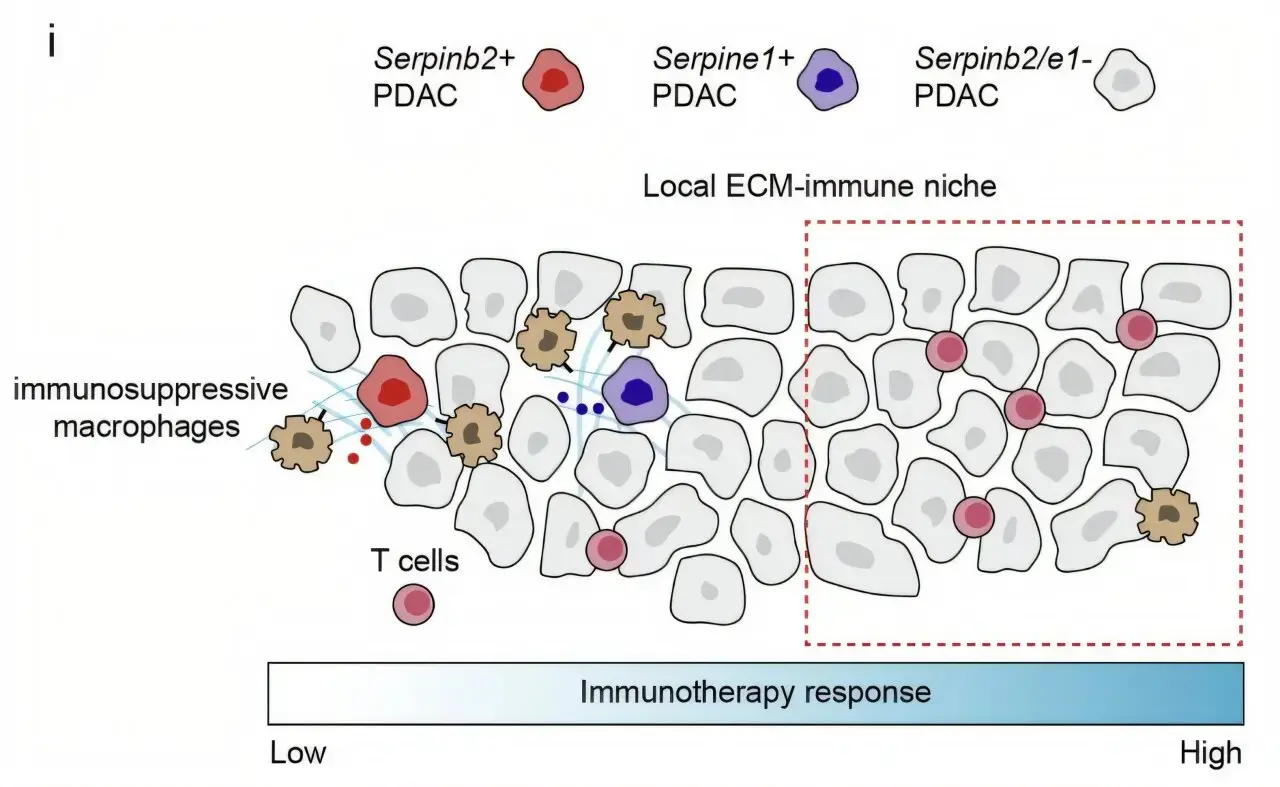 Pancreatic Cancer Hijacks Blood-Clotting System to Evade Immune Attack
 Survey Reveals Most Men Unaware Dairy May Increase Prostate Cancer Risk
Exposure to green spaces has been linked to various health benefits, including improved cognitive function and lower blood pressure. The researchers investigated how green space exposure influences the nasal microbiome and its potential impact on mental health.
Can Green Spaces Improve Mental Health?
The nasal microbiome plays a crucial role in overall health, and changes in its composition can affect mental well-being. The study found that individuals with more green space exposure had a more diverse nasal microbiome, which is associated with better mental health.
The researchers suggest that exposure to green spaces may positively impact mental health by altering the nasal microbiome's composition. This change can lead to reduced stress levels and improved overall well-being.
Frequently Asked Questions
The findings have significant implications for urban planning and mental health interventions, highlighting the importance of incorporating green spaces into urban environments. As the global population becomes increasingly urbanized, understanding the link between green spaces, mental health, and the nasal microbiome will be crucial.
Q: How does green space exposure affect the nasal microbiome? A: Exposure to green spaces is associated with a more diverse nasal microbiome, which is linked to better mental health. Q: Can improving green spaces reduce mental health issues? A: The study suggests that increasing green space exposure may positively impact mental health by altering the nasal microbiome. Q: What are the implications for urban planning? A: The findings highlight the importance of incorporating green spaces into urban environments to promote mental well-being.
Content written by Dr. Nathan Cole for wellness-bio-radar.com editorial team, AI-assisted.