Natural Plant Extract Cuts Cisplatin Kidney Damage in Mice
How the Extract Works
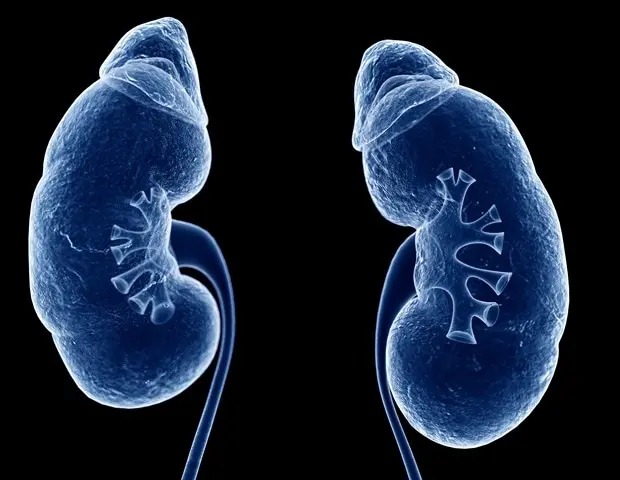
Researchers demonstrated that a natural plant extract significantly reduced cisplatin-induced kidney injury in a mouse model. The study focused on acute kidney injury, a frequent complication for hospitalized and critically ill patients.
Health news
 Exercise and Mood: Italian Study Links Physical Activity to Lower Depression Symptoms
 Screen Time in Childhood Linked to Unexpected Cognitive Boost in Teens, 8‑Year Study Shows
 Workplace stress and anxiety are taking a heavy toll on employees, with one in three workers reporting that the strain is not easing
 Daily Food Habit Tied to Lower Risk of Anxiety and Depression
Acute kidney injury strikes many inpatients, with incidence spiking in intensive care units. Current care is mostly supportive, lacking targeted therapies. Drug-induced damage is a major driver, and cisplatin, a common chemotherapy agent, is a primary cause. The drug builds up in renal tubular epithelial cells, triggering inflammation, cell death, and oxidative stress.
Could This Translate to Human Patients?
The plant extract targets the oxidative stress pathway activated by cisplatin. By neutralizing reactive oxygen species, it protects tubular cells from apoptosis. This mechanism reduces the inflammatory cascade that worsens tissue damage.
The mouse results are promising, but human trials are needed to confirm efficacy and safety. Researchers plan to evaluate dosing and side effects in clinical studies. If successful, this could offer a protective co-therapy for patients receiving cisplatin.
The findings suggest a new avenue for preventing chemotherapy-related kidney failure. As drug-induced injury remains a leading cause of acute kidney problems, this extract may fill a critical therapeutic gap. Frequently Asked Questions Does the extract cure kidney injury? No, it reduces damage caused by cisplatin, but it is not a standalone cure. Is this ready for human use? Not yet. The study was conducted in mice, and clinical trials are required before human application. Why is cisplatin so damaging to kidneys? It accumulates in renal tubular cells, causing inflammation, apoptosis, and oxidative stress that impair kidney function.