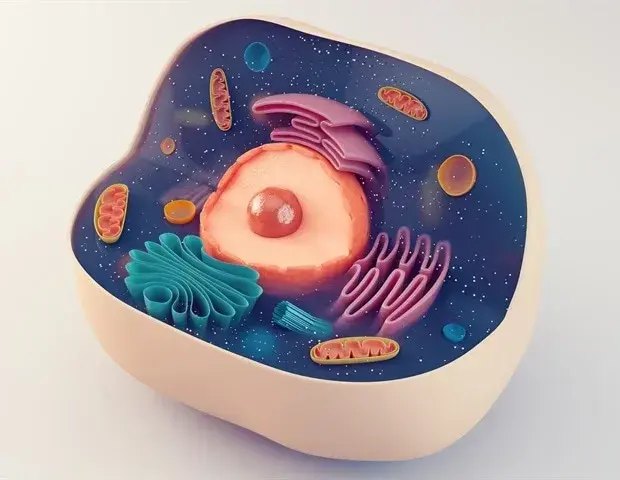
New cellular atlas reveals how childhood Crohn’s disease responds to therapy
Mapping the Immune Landscape Before and After Therapy
Scientists have constructed a comprehensive biological map of childhood Crohn’s disease. This resource tracks the condition both prior to and following medical intervention. The work aims to clarify how the illness progresses in young patients. It provides critical insights into treatment efficacy. The findings were published in the journal e Life. The study serves as a vital reference for pediatric gastroenterology. It helps clinicians understand individual patient responses.
Health news
 APOE Genotype Influences How Well Blood Tau Protein Predicts Cognitive Decline
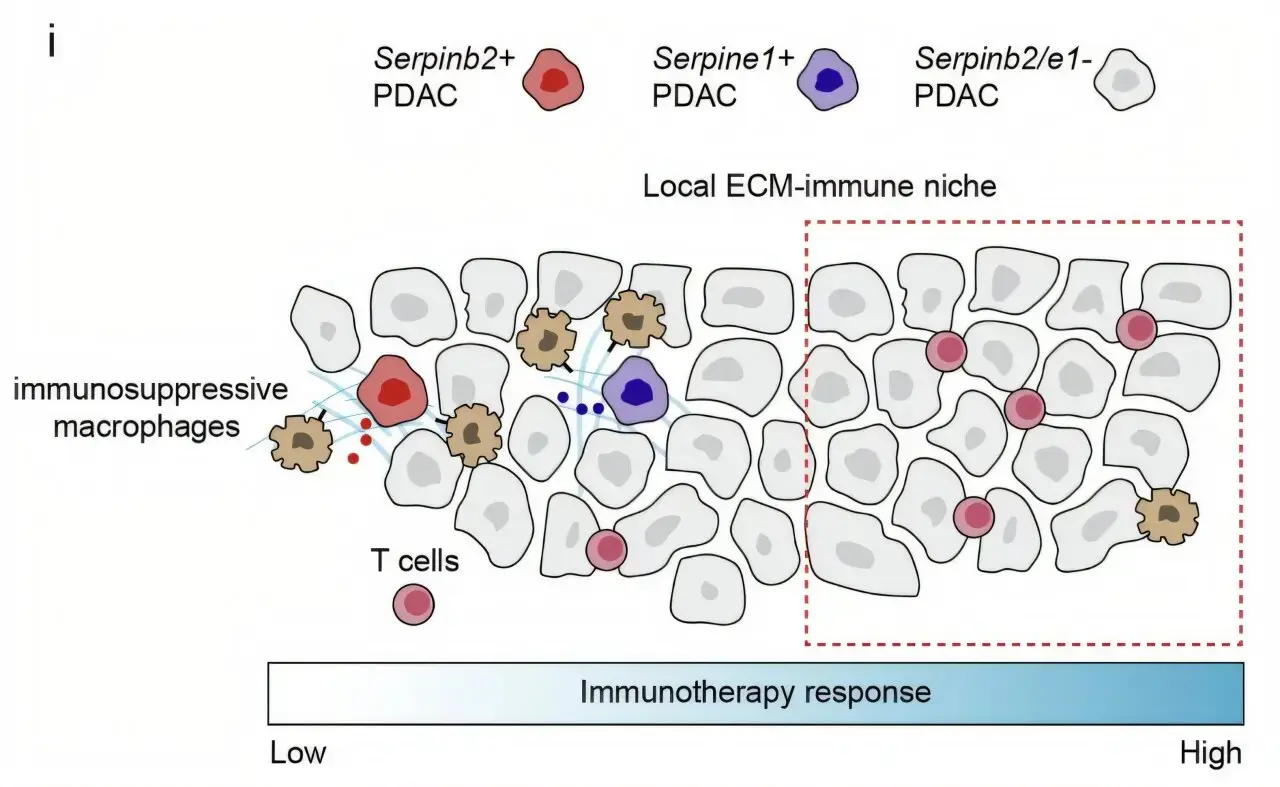 Pancreatic Cancer Hijacks Blood-Clotting System to Evade Immune Attack
 Survey Reveals Most Men Unaware Dairy May Increase Prostate Cancer Risk
 Therapeutic Gardening Shows Promise for Mental Health in Adults with Chronic Illnesses
The research team analyzed tissue samples from children diagnosed with Crohn’s disease. They compared cellular structures before treatment began. They then examined changes after therapeutic interventions were applied. This longitudinal approach allows for precise tracking of disease dynamics. The atlas highlights specific immune cell behaviors. It identifies markers that predict positive or negative outcomes. By mapping these shifts, doctors can better tailor care plans. The data offers a clearer view of the disease’s internal mechanics.
The study focuses on the intricate interactions within the gut lining. Researchers identified distinct cellular populations that react to medication. Some cells showed signs of inflammation reduction post-treatment. Others remained active, indicating persistent disease activity. This variation explains why some children respond well while others do not. The atlas captures these differences at a molecular level. It provides a baseline for future clinical trials. Understanding these cellular states is key to personalized medicine.
Why Pediatric Specificity Matters in Inflammatory Bowel Disease
The publication process involved rigorous peer review. Editors noted the significance of this detailed biological resource. The initial preprint allowed for early community feedback. The final version incorporates all necessary revisions. This ensures the accuracy and reliability of the data. The study stands out for its focus on pediatric cases. Adult models often fail to capture juvenile disease nuances. This gap has hindered effective treatment strategies for years.
Children are not simply small adults in terms of disease biology. Their immune systems develop differently. This affects how they react to standard therapies. The new atlas accounts for these developmental factors. It distinguishes between age-related changes and disease progression. Clinicians can use this information to adjust dosages. It may reduce side effects in young patients. The research supports a shift toward age-specific protocols.
The implications for future care are significant. Hospitals may adopt these maps for diagnostic purposes. Early identification of poor responders could prevent complications. Patients might avoid ineffective treatments. This leads to faster symptom relief. The study lays the groundwork for novel drug targets. Researchers plan to expand the atlas with more patient data. Continued funding will support these ongoing efforts.
Frequently Asked Questions
Who conducted this research? A team of international scientists collaborated on this project. They focused specifically on pediatric Crohn’s disease cases. Their work was published in the journal e Life.
How does this atlas help doctors? It provides a detailed view of cellular changes during treatment. This helps predict which therapies will work best for individual children. It supports more personalized medical decisions.
Is this applicable to adult patients? While focused on children, the findings offer valuable insights for adults. The core mechanisms of inflammation remain similar. However, pediatric-specific data is crucial for accurate diagnosis in youth.
Content written by Marcus Reid for wellness-bio-radar.com editorial team, AI-assisted.