
New DNA Immunotherapy Shows Promise Against Ovarian Cancer
How the DNA-Delivered BTE Works
Scientists have created a novel DNA-delivered immunotherapy. This new treatment targets ovarian cancer more effectively. Researchers at The Wistar Institute developed this innovative approach. It represents a significant step forward in cancer therapy.
Health news
 Sleep May Be the Heart's Nightly Repair Window, Study Suggests
 APOE Genotype Influences How Well Blood Tau Protein Predicts Cognitive Decline
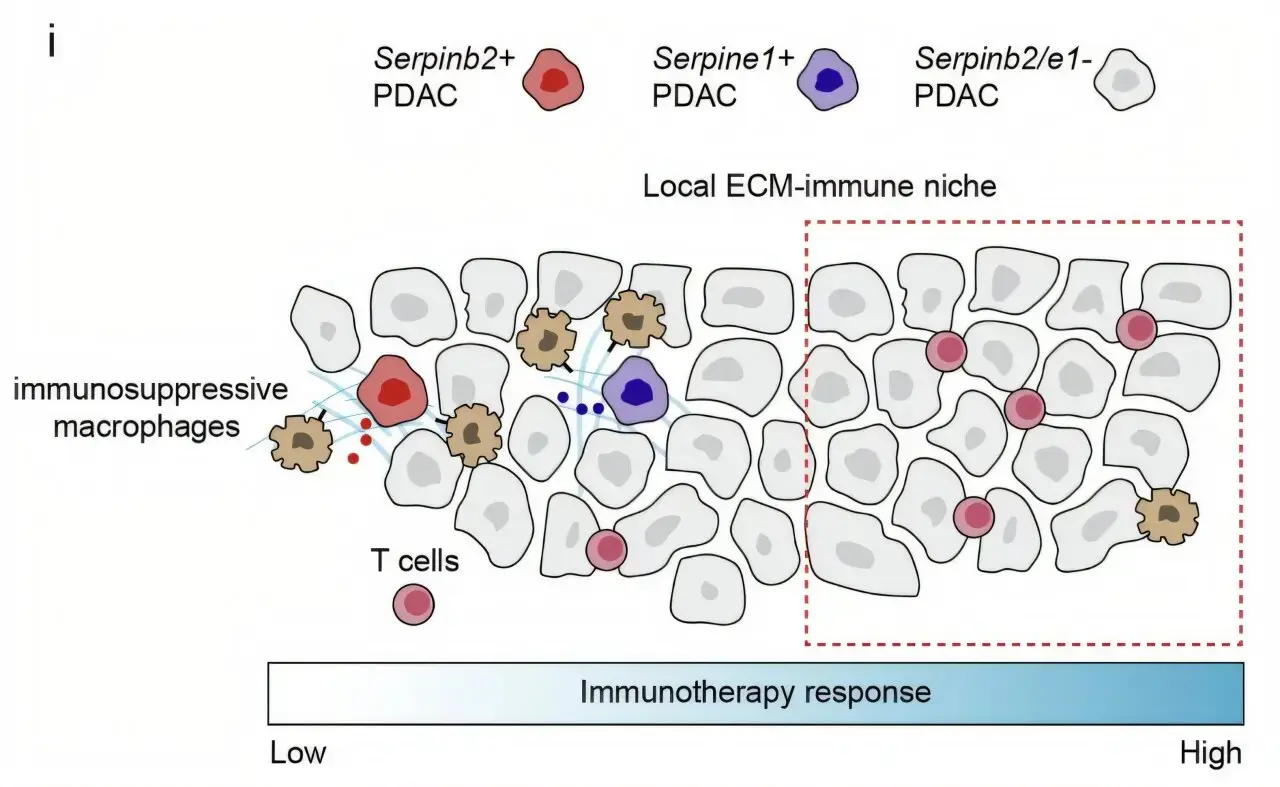 Pancreatic Cancer Hijacks Blood-Clotting System to Evade Immune Attack
 Survey Reveals Most Men Unaware Dairy May Increase Prostate Cancer Risk
The new therapy uses a bispecific T cell engager, or BTE. This BTE is delivered directly into the body's cells using DNA. This method allows the body to produce the therapeutic agent itself. It could lead to more sustained and potent anti-cancer responses.
What Makes This Approach Different?
Traditional BTEs are proteins given directly to patients. This new method delivers the genetic instructions for the BTE. The patient's own cells then become tiny factories. They continuously produce the therapeutic protein. This sustained production is key. It helps maintain a strong immune attack against cancer cells. The BTE works by bringing T cells, the body's immune fighters, close to cancer cells. It then activates these T cells to destroy the tumor.
# What is a bispecific T cell engager (BTE)?
This DNA-based delivery system offers several advantages. It could reduce the need for frequent hospital visits. It also ensures a steady supply of the therapeutic agent. This sustained presence is crucial for overcoming the aggressive nature of ovarian cancer. The therapy specifically targets tumor cells. This minimizes harm to healthy tissues. This precision is vital for improving patient outcomes and reducing side effects.
This research builds on previous work in immunotherapy. It pushes the boundaries of how these treatments are administered. The team focused on ovarian cancer due to its challenging nature. New, more effective treatments are urgently needed for this disease.
# How is this new BTE delivered?
A BTE is a type of protein that can bind to two different targets at once. In this case, it binds to a T cell and a cancer cell. This brings the immune cell close to the tumor cell, allowing the T cell to destroy it.
# Why is ovarian cancer a good target for this therapy?
Unlike traditional BTEs, which are injected as proteins, this new therapy delivers DNA. The DNA contains instructions for the body to produce the BTE itself. This allows for continuous production of the therapeutic agent.
Ovarian cancer is often diagnosed at advanced stages, making it difficult to treat effectively. New, targeted therapies are desperately needed to improve survival rates and reduce the severity of treatment side effects.
Content written by Dr. Nathan Cole for wellness-bio-radar.com editorial team, AI-assisted.