
New Hampshire's Mental Health: Understanding Partial Hospitalization Programs
What Conditions Do PHPs Address?
Mental health challenges can significantly impact daily life in New Hampshire. These issues often affect work, personal relationships, physical health, and routine tasks. When symptoms become overwhelming, professional and structured support can offer much-needed stability.
Health news
 Sleep May Be the Heart's Nightly Repair Window, Study Suggests
 APOE Genotype Influences How Well Blood Tau Protein Predicts Cognitive Decline
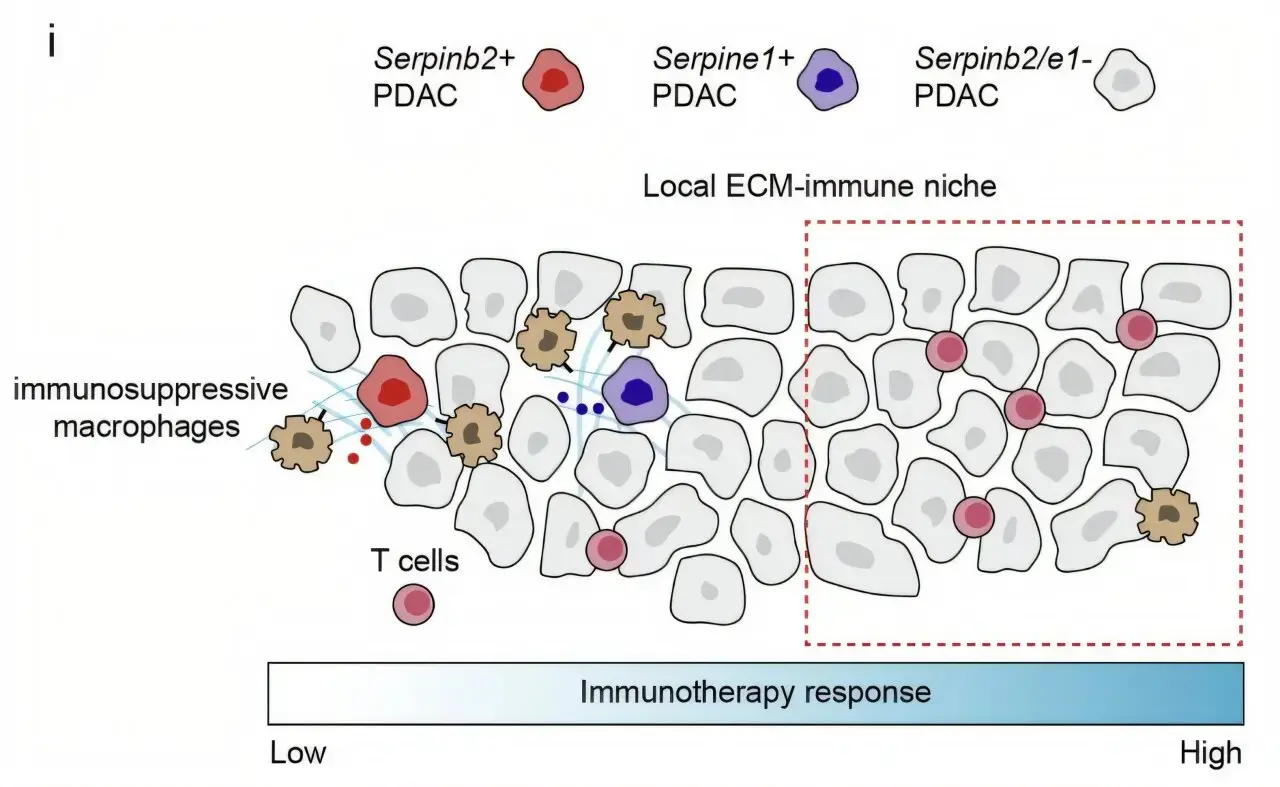 Pancreatic Cancer Hijacks Blood-Clotting System to Evade Immune Attack
 Survey Reveals Most Men Unaware Dairy May Increase Prostate Cancer Risk
A partial hospitalization program (PHP) provides intensive daytime care for those struggling. This allows individuals to receive comprehensive treatment during the day. They can then return home in the evenings. This blend of support and personal space is crucial for recovery.
How Do Partial Hospitalization Programs Help?
PHPs are designed to treat a wide range of mental health conditions. Major depressive disorder is a common reason for enrollment. Bipolar disorder, with its mood swings, also benefits from this structured environment. Anxiety disorders, including generalized anxiety and panic disorder, are effectively managed. Eating disorders, such as anorexia and bulimia, receive specialized care. Substance use disorders, often co-occurring with other mental health issues, are also treated. Borderline personality disorder, characterized by emotional instability, finds support in these programs. Finally, trauma-related disorders like PTSD are addressed through focused therapies.
These programs offer a variety of therapeutic approaches. Group therapy sessions allow participants to share experiences and build coping skills. Individual therapy provides personalized attention and strategies. Medication management is a key component, ensuring proper dosages and monitoring. Life skills training helps individuals regain independence and manage daily responsibilities. Family therapy is often included to improve communication and support systems at home. The goal is to provide a holistic treatment experience.
What is the Benefit of a PHP over Inpatient Care?
PHPs offer a less restrictive alternative to full inpatient hospitalization. They provide a high level of care without requiring an overnight stay. This allows individuals to maintain some connection to their home life and support networks. It also helps in transitioning back to normal routines more smoothly. The intensive structure helps prevent relapse and promotes long-term stability.
What is the typical duration of a partial hospitalization program? The length of a PHP varies based on individual needs and progress. Most programs last several weeks to a few months. The treatment team regularly assesses each participant's readiness for discharge.
Frequently Asked Questions
Can I continue working while in a PHP? Many PHPs are structured to allow participants to attend treatment during the day. This can make it challenging to maintain a full-time work schedule. Some individuals adjust their work hours or take a leave of absence during their program.
Is a referral needed to join a partial hospitalization program? Often, a referral from a doctor or mental health professional is helpful. However, many programs also accept direct inquiries. An initial assessment will determine if a PHP is the right fit for your needs.
Content written by Marcus Reid for wellness-bio-radar.com editorial team, AI-assisted.