Research Reveals Impaired Brain Cell Growth in Adults with Depression
What Does This Mean for Mental Health Treatment?
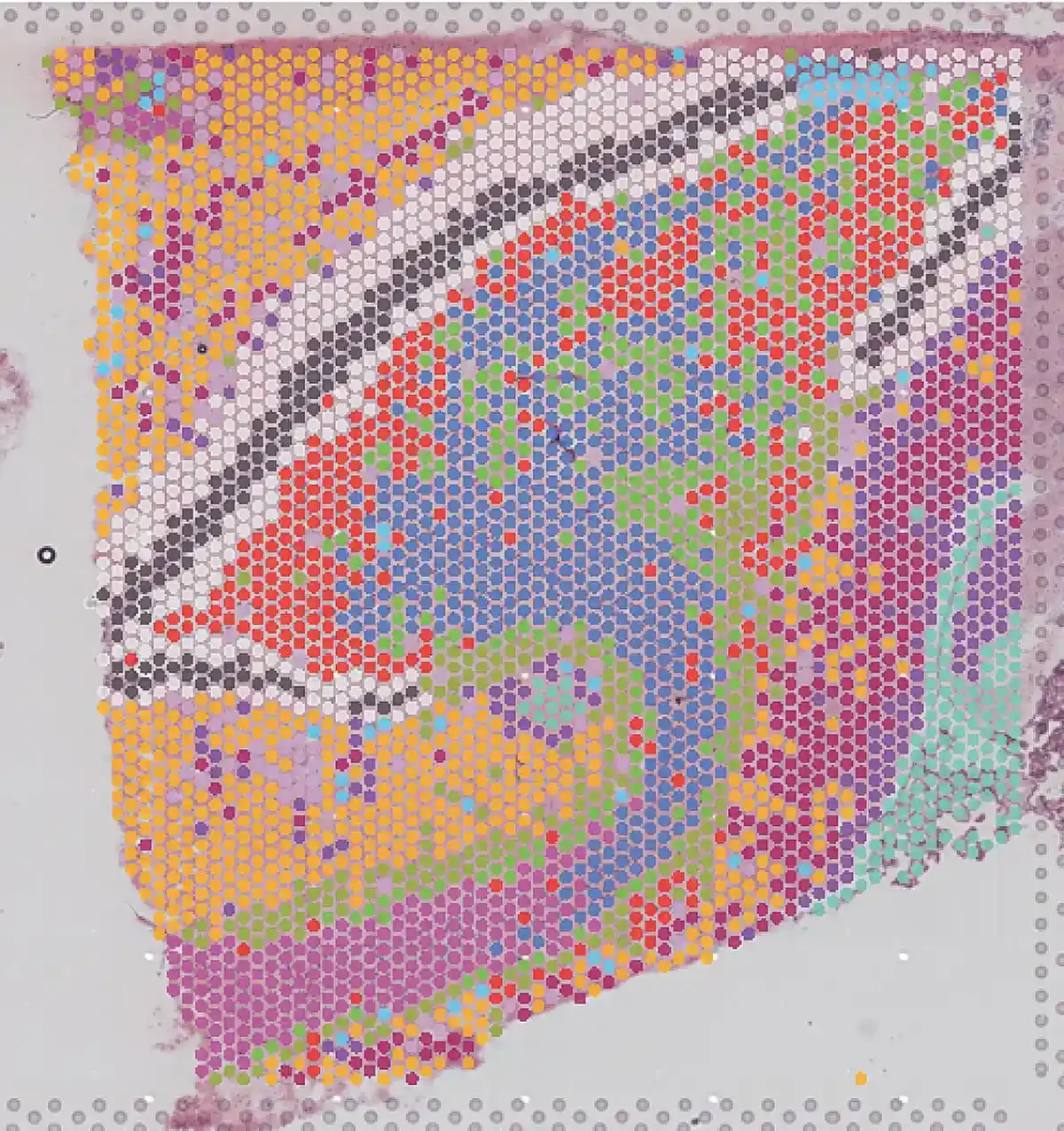
A recent study conducted by researchers at Columbia University has uncovered that adults suffering from depression experience a significant reduction in the formation of new brain cells. The research focused on the hippocampus, a critical area of the brain involved in memory and emotional regulation. The team analyzed nearly 500,000 brain cells from both depressed and non-depressed individuals. Their findings indicate that neurogenesis, the process of generating new neurons, is notably hindered in those with depression. This stalled growth may contribute to the cognitive and emotional difficulties often associated with the condition.
Health news
 Ethical Decision-Making for Mental Health Professionals Using Large Language Models
 AI Discovers Hidden Health Data in Everyday CT Scans
 Ultra‑Processed Food Drives Up National Health Costs by $360,000 a Year
 Scientists engineer CAR-NK immune cells directly inside the body using mRNA nanoparticles
The study highlights the importance of understanding the biological underpinnings of depression. Neurogenesis plays a vital role in maintaining mental health, and its impairment could explain some symptoms of depression, such as memory loss and emotional instability. Researchers believe that enhancing brain cell formation could be a potential target for new treatments.
Dr. D. J. Smith, a lead researcher, stated, „This research opens the door to innovative therapeutic strategies that could help rejuvenate the brain's capacity to heal itself.”Current treatments, including medication and therapy, may need to incorporate approaches that specifically address neurogenesis.
Can Depression Be Reversed Through Brain Cell Growth?
The findings raise critical questions about the potential for reversing depression through stimulating brain cell growth. While current antidepressants can alleviate symptoms for some, they do not always address the underlying biological issues. Future research may explore whether therapies that promote neurogenesis can enhance treatment efficacy.
The implications of this study are profound. If new strategies can successfully stimulate brain cell formation, they may offer hope for individuals struggling with treatment-resistant depression. Understanding the mechanisms behind neurogenesis could lead to more effective interventions and improved outcomes for many.
Frequently Asked Questions
What is neurogenesis? Neurogenesis is the process of generating new neurons in the brain. It is crucial for learning, memory, and emotional health.
How does depression affect the brain? Depression can disrupt various brain functions, including neurogenesis. This disruption may lead to cognitive difficulties and emotional challenges commonly experienced by those with depression.
Are there treatments that can enhance neurogenesis? While research is ongoing, some studies suggest that lifestyle changes, such as exercise and proper nutrition, may promote neurogenesis. Future therapies may also specifically target this process to improve mental health.
Content written by Marcus Reid for wellness-bio-radar.com editorial team, AI-assisted.