
Stem Cell Treatment Offers Hope for Vision Improvement in Geographic Atrophy
How ASP7317 Works
A new stem cell-based treatment for advanced geographic atrophy (GA) is showing promising early results. The therapy, called ASP7317, may not only slow the disease but also improve vision. This potential breakthrough was discussed at a recent medical conference in Montreal.
Health news
 Sleep May Be the Heart's Nightly Repair Window, Study Suggests
 APOE Genotype Influences How Well Blood Tau Protein Predicts Cognitive Decline
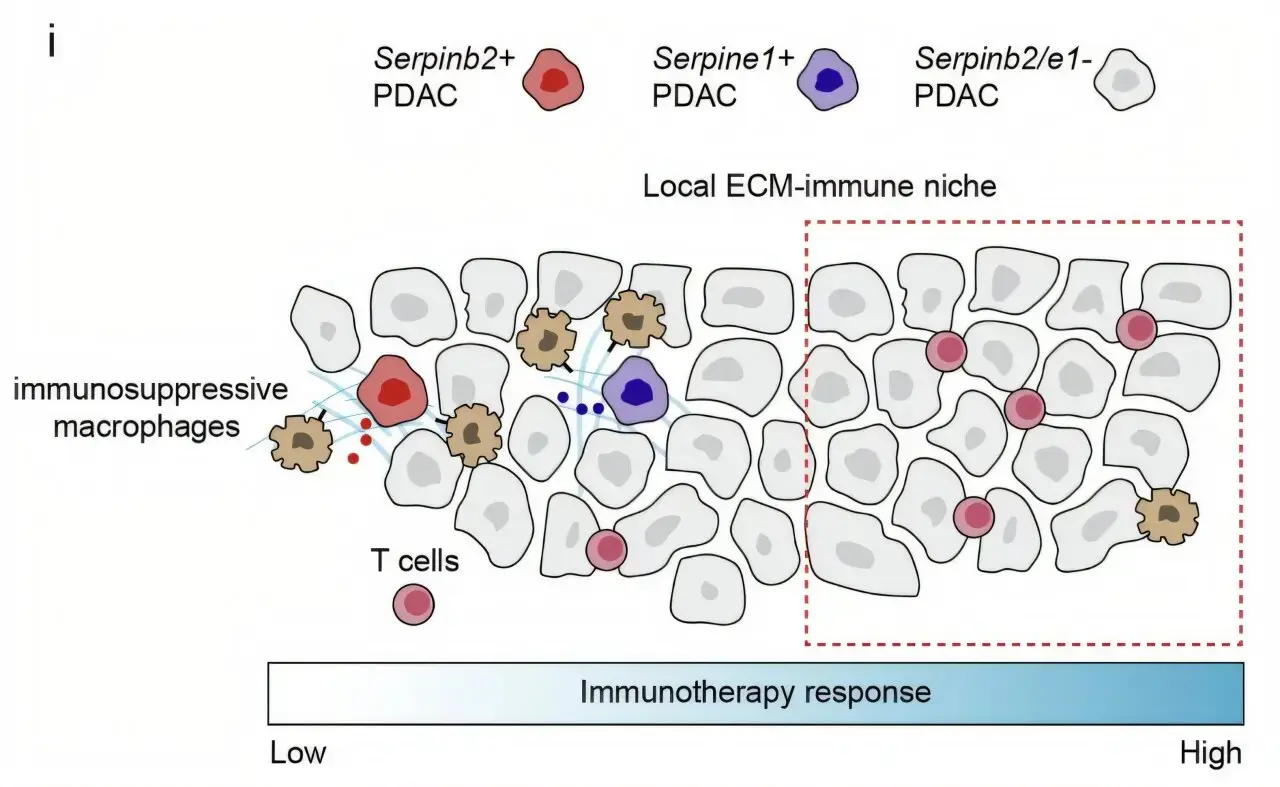 Pancreatic Cancer Hijacks Blood-Clotting System to Evade Immune Attack
 Survey Reveals Most Men Unaware Dairy May Increase Prostate Cancer Risk
Geographic atrophy is a severe form of age-related macular degeneration. It causes irreversible vision loss. Current treatments primarily focus on slowing the disease's progression. ASP7317 aims to go further by repairing the retina. This could lead to actual vision gains for patients.
The therapy uses cells derived from stem cells. These cells are designed to replace damaged retinal tissue. Researchers hope this will restore some lost function. Early data suggests the treatment is well-tolerated.
Can This Therapy Reverse Vision Loss?
The initial findings are encouraging. Patients in early trials have shown signs of vision improvement. This is a significant step beyond simply preserving existing vision. The therapy also appears to protect the retina from further damage. More extensive studies are needed to confirm these results. This early evidence offers new hope for those affected by GA.
If successful, ASP7317 could transform treatment for geographic atrophy. It could move the focus from managing decline to restoring sight. This would represent a major advance in ophthalmology.
Frequently Asked Questions
What is geographic atrophy? Geographic atrophy is an advanced form of dry age-related macular degeneration. It leads to blind spots and severe, irreversible central vision loss due to the destruction of retinal cells.
How does ASP7317 differ from current treatments? Existing treatments for geographic atrophy primarily aim to slow the progression of the disease. ASP7317, a stem cell-derived therapy, shows potential to not only slow atrophy but also to repair the retina and improve vision.
What are the early findings for ASP7317? Early evidence suggests that ASP7317 may lead to vision gains and help preserve the retina. This indicates a potential to restore some lost function, rather than just preventing further deterioration.
Content written by Marcus Reid for wellness-bio-radar.com editorial team, AI-assisted.