
Stressful Life Events Linked to Higher Depression Risk in Teenagers
The Dark Side of Stressful Experiences
Teenagers who experience more negative life events are more likely to report worsening depressive symptoms over time. A new study highlights the correlation between stressful experiences and increased depression risk in adolescents.
Health news
 Sleep May Be the Heart's Nightly Repair Window, Study Suggests
 APOE Genotype Influences How Well Blood Tau Protein Predicts Cognitive Decline
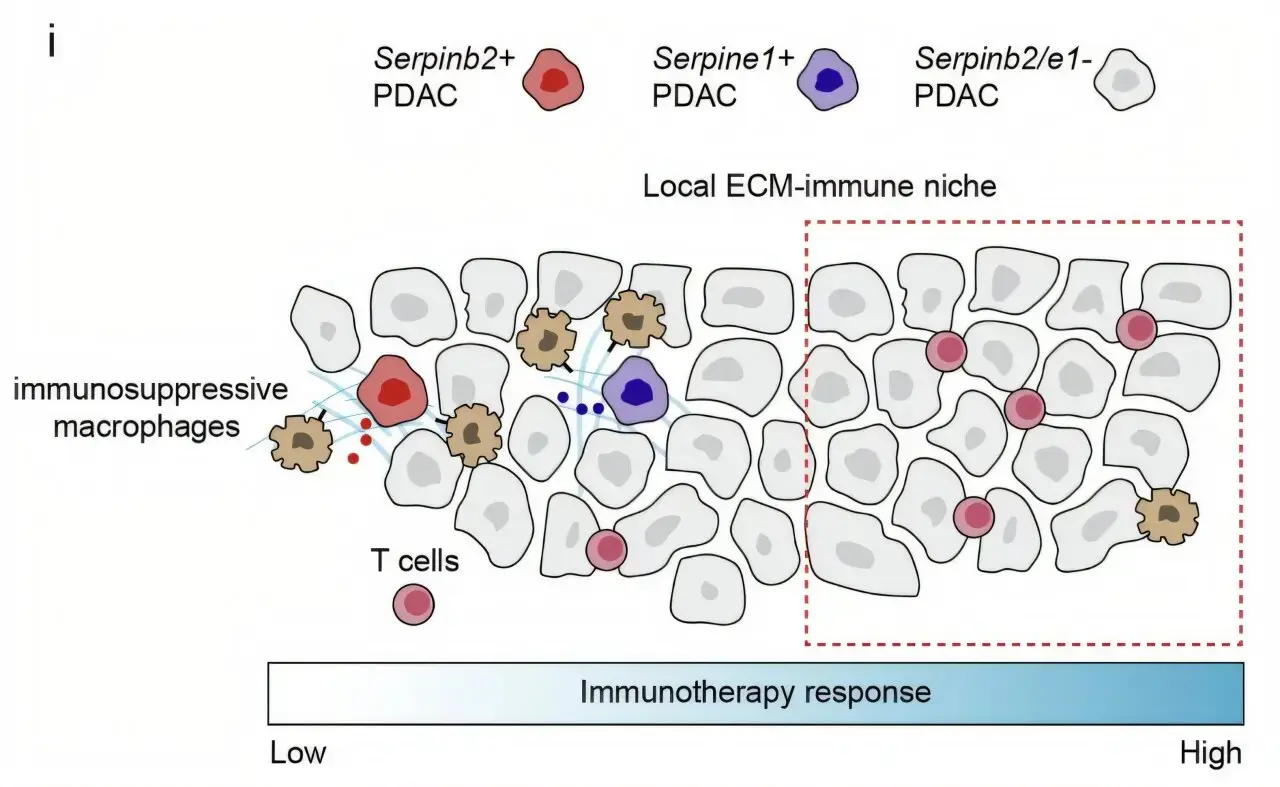 Pancreatic Cancer Hijacks Blood-Clotting System to Evade Immune Attack
 Survey Reveals Most Men Unaware Dairy May Increase Prostate Cancer Risk
The study reveals that stressful life events, such as family conflicts, bullying, and academic pressures, can significantly impact a teenager's mental health. These events can lead to feelings of worthlessness, self-criticism, and low self-esteem, making girls more vulnerable to depression.
Researchers found that adolescents who experienced more stressful life events were more likely to develop negative self-evaluations, such as feelings of worthlessness and self-criticism. These negative self-evaluations can lead to increased depressive symptoms over time. According to the study, girls were more susceptible to these negative effects, possibly due to societal pressures and expectations.
The study suggests that stressful experiences can have a lasting impact on a teenager's mental health. „Negative life events can trigger a downward spiral of negative self-evaluation, which can lead to increased depressive symptoms,”said a researcher. The study's findings emphasize the need for early intervention and support systems to help teenagers cope with stressful experiences.
Can We Prevent Depression in Teenagers?
While the study highlights the risks associated with stressful life events, it also raises questions about prevention and early intervention. Can we identify teenagers who are most at risk of depression? Can we provide them with the necessary support to prevent the development of depressive symptoms?
The study's findings suggest that early identification and intervention can make a significant difference in preventing depression in teenagers. By providing teenagers with a supportive environment and resources to cope with stressful experiences, we can help mitigate the risk of depression.
Frequently Asked Questions
Content written by Dr. Nathan Cole for wellness-bio-radar.com editorial team, AI-assisted.