
Targeted Therapy Shows Promise for Rare Bile Duct Cancer
A New Approach to Treating Rare Bile Duct Cancer
Researchers have reported encouraging results from a global Phase II clinical trial evaluating a new treatment for a rare form of bile duct cancer. The eNRGy trial is assessing the effectiveness of zenocutuzumab in patients with solid tumors that have Neuregulin 1 gene fusions. The study is ongoing.
Health news
 Sleep May Be the Heart's Nightly Repair Window, Study Suggests
 APOE Genotype Influences How Well Blood Tau Protein Predicts Cognitive Decline
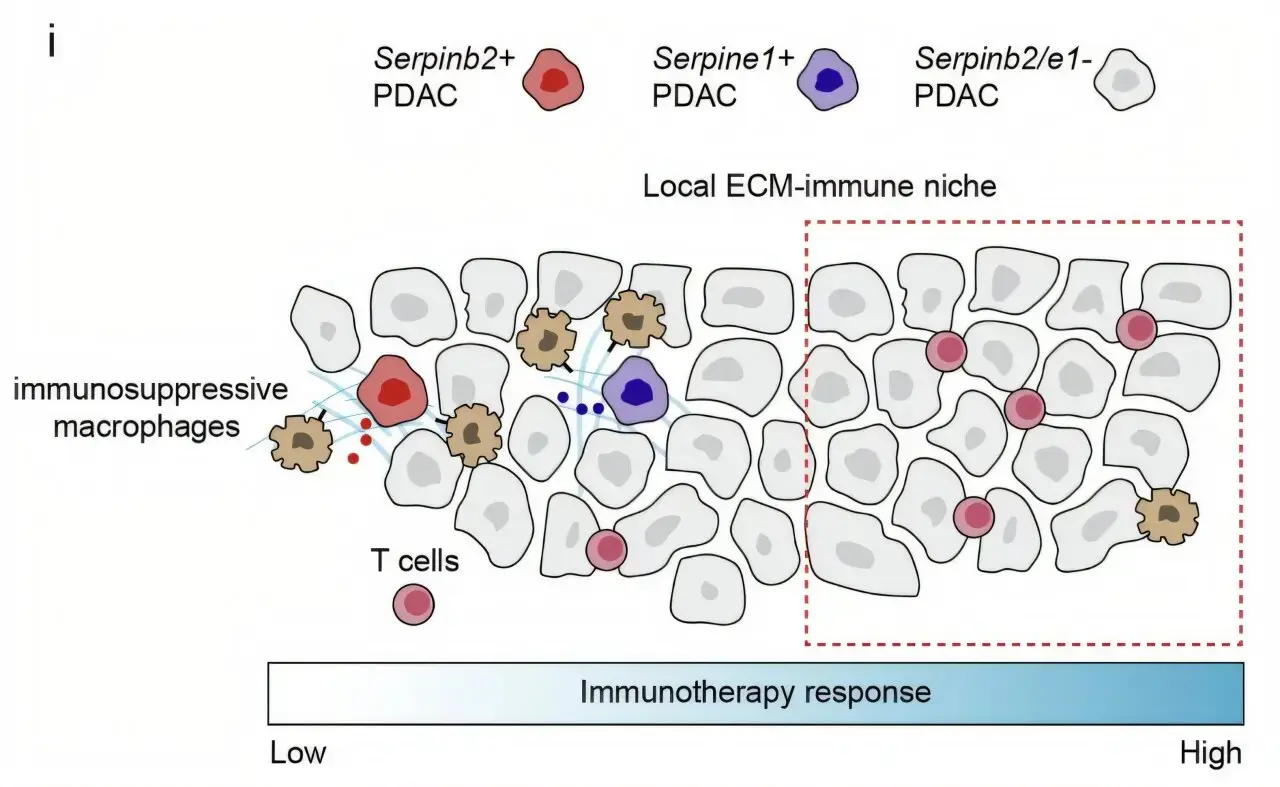 Pancreatic Cancer Hijacks Blood-Clotting System to Evade Immune Attack
 Survey Reveals Most Men Unaware Dairy May Increase Prostate Cancer Risk
The trial is a single-arm, multicenter study that has shown manageable side effects and clinically meaningful efficacy in patients with this rare and often difficult-to-treat cancer. Neuregulin 1 gene fusions are found in a small percentage of patients with bile duct cancer, and current treatment options are limited.
Can Targeted Therapy Improve Outcomes for Patients with Rare Bile Duct Cancer?
The eNRGy trial is testing the safety and efficacy of zenocutuzumab, a targeted therapy that is designed to specifically target tumors with NRG1 gene fusions. By targeting the specific genetic mutation driving the cancer, zenocutuzumab offers a new and potentially more effective treatment option for patients with this rare form of bile duct cancer.
The results of the eNRGy trial are promising, with patients experiencing manageable side effects and clinically meaningful responses to treatment. As researchers continue to evaluate the data from the trial, the potential for zenocutuzumab to improve outcomes for patients with this rare and often devastating disease is becoming increasingly clear.
Frequently Asked Questions
The success of the eNRGy trial could have significant implications for the treatment of rare bile duct cancer, offering new hope for patients and families affected by this disease. As the trial continues and more data becomes available, the potential for zenocutuzumab to become a new standard of care for patients with NRG1-positive bile duct cancer is an exciting prospect.
What is zenocutuzumab? Zenocutuzumab is a targeted therapy designed to treat tumors with Neuregulin 1 gene fusions. It works by specifically targeting the genetic mutation driving the cancer. What are Neuregulin 1 gene fusions? Neuregulin 1 gene fusions are a specific genetic mutation found in a small percentage of patients with bile duct cancer. How does the eNRGy trial work? The eNRGy trial is a single-arm, multicenter study evaluating the safety and efficacy of zenocutuzumab in patients with solid tumors that have NRG1 gene fusions.
Content written by Dr. Nathan Cole for wellness-bio-radar.com editorial team, AI-assisted.