Therapeutic Gardening Shows Promise for Mental Health in Adults with Chronic Illnesses
Growing Calm: How Garden Work Impacts the Mind
A new systematic review of peer‑reviewed studies indicates that adults living with long‑term health conditions experience modest improvements in mood when they engage in gardening activities. Researchers examined dozens of trials and observational reports from community‑based programs across North America and Europe, focusing on outcomes such as depression, anxiety, and overall psychological wellbeing.
Health news
 APOE Genotype Influences How Well Blood Tau Protein Predicts Cognitive Decline
 Pancreatic Cancer Hijacks Blood-Clotting System to Evade Immune Attack
 Survey Reveals Most Men Unaware Dairy May Increase Prostate Cancer Risk
 Scientists Identify Target to Undermine Pancreatic Cancer Shield
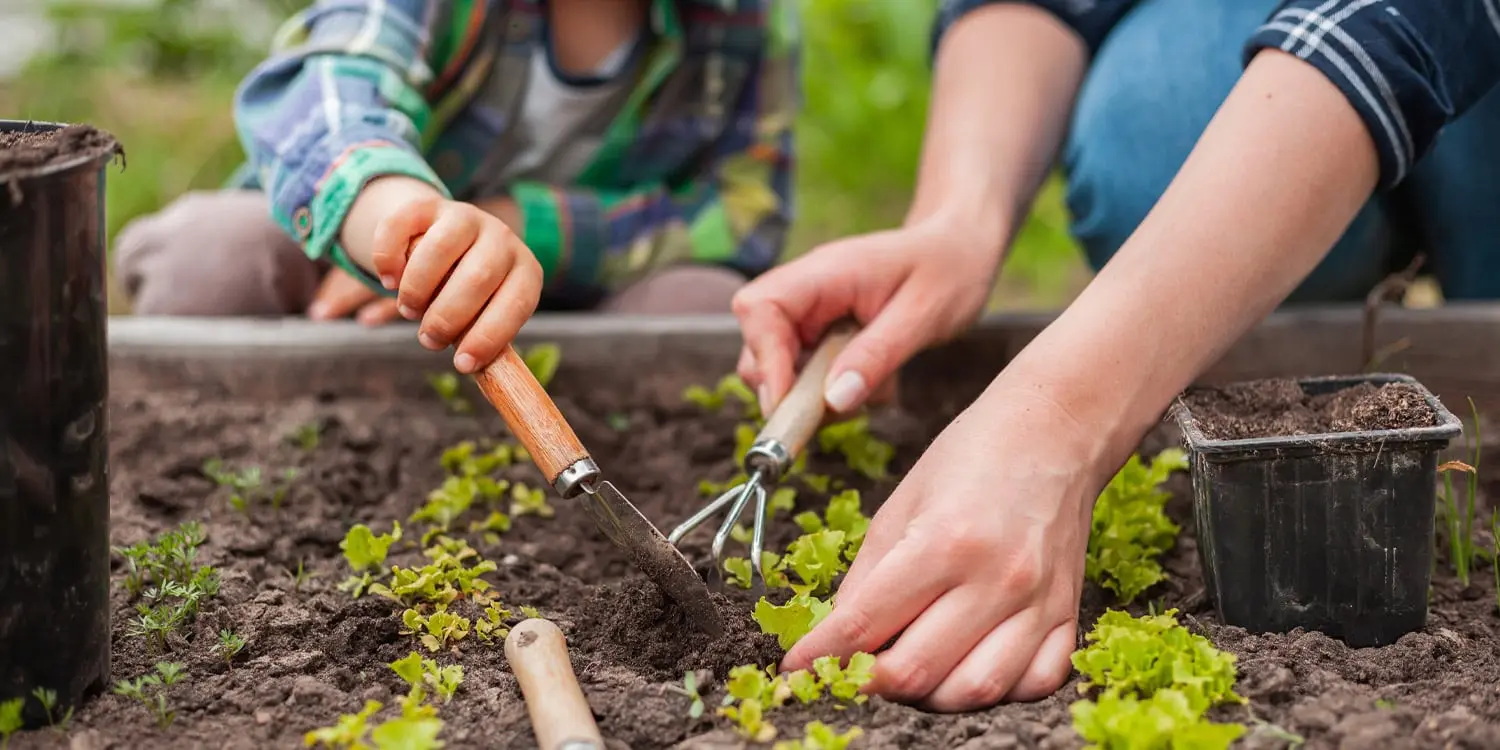
The analysis found that hands‑on tasks—planting seeds, weeding beds, and maintaining shared garden spaces—consistently reduced symptoms of depression and anxiety among participants. While participants also reported feeling more socially connected, the review noted that physical health markers, such as pain levels or disease progression, showed little change. The authors suggest that the sensory and rhythmic nature of gardening may trigger stress‑relief pathways in the brain, offering a low‑cost, accessible complement to conventional therapy.
Participants in the reviewed studies often described gardening as „meditative” and „grounding.” One trial reported a 30 % drop in self‑rated anxiety scores after a twelve‑week community garden program, while another observed a similar reduction in depressive symptoms measured by the PHQ‑9 questionnaire. Researchers attribute these gains to several factors: exposure to sunlight, gentle physical activity, and the sense of accomplishment that comes from nurturing living plants. Moreover, the communal aspect of shared gardens fosters peer support, reducing isolation that many chronic‑illness patients face.
Can Gardening Replace Traditional Mental‑Health Treatments?
The review also highlighted that the benefits were most pronounced when gardening was performed regularly—at least twice a week—and when participants had some autonomy over plant selection and garden design. These elements appear to enhance feelings of control and purpose, which are often diminished in individuals coping with persistent health challenges.
While the findings are encouraging, experts caution against viewing therapeutic gardening as a standalone cure. „Gardening should be integrated into a broader care plan,” says Dr. Elena Martinez, a psychologist specializing in chronic disease management. „It can amplify the effects of counseling or medication, but it does not eliminate the need for professional mental‑health services.” The review underscores that physical outcomes, such as reduced inflammation or improved cardiovascular markers, were not statistically significant, suggesting that gardening’s primary strength lies in emotional and cognitive domains.
Looking ahead, the authors call for larger, longitudinal studies to determine how sustained gardening participation might influence long‑term mental health trajectories. They also recommend exploring virtual or indoor gardening alternatives for patients with limited mobility or harsh climates, aiming to broaden access to this low‑risk intervention.
Frequently Asked Questions
What types of gardening activities are most beneficial? Tasks that involve direct contact with soil, such as planting, weeding, and harvesting, tend to produce the greatest mood improvements, especially when performed regularly.
Is therapeutic gardening suitable for all chronic conditions? The review covered a range of illnesses, including diabetes, arthritis, and cardiovascular disease. While mental‑health benefits appear universal, physical benefits vary, so participants should consult their healthcare provider before starting.
How can someone start a therapeutic garden program? Local community centers, hospitals, and nonprofit groups often run garden projects. Individuals can also create small container gardens at home, ensuring they have a safe, supportive environment.
Content written by Dr. Elena Voss for wellness-bio-radar.com editorial team, AI-assisted.