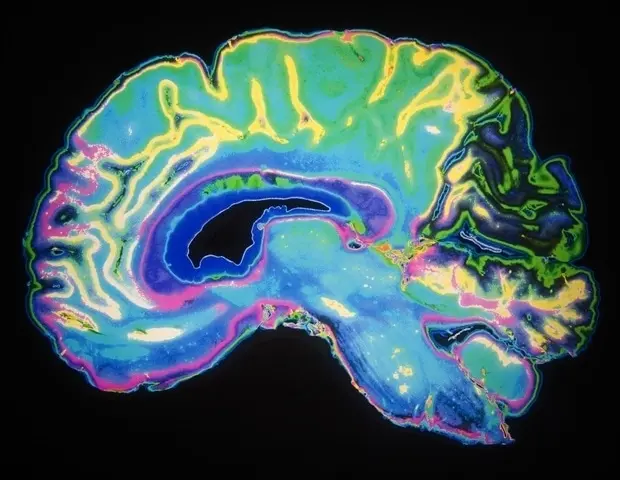
Advanced AI Implants Enhance Precision in Deep Brain Stimulation
Intelligent Neural Feedback Loops
A collaborative research team led by DGIST’s Professor Ji-Woong Choi has developed a new AI-driven signal processing system for deep brain stimulation. This breakthrough, involving experts from Kumoh National Institute of Technology, Korea University, and the Korea Brain Research Institute, aims to optimize treatment for neurological disorders by refining how electrical signals are delivered to the brain.
Health news
 Exercise and Mood: Italian Study Links Physical Activity to Lower Depression Symptoms
 Screen Time in Childhood Linked to Unexpected Cognitive Boost in Teens, 8‑Year Study Shows
 Workplace stress and anxiety are taking a heavy toll on employees, with one in three workers reporting that the strain is not easing
 Daily Food Habit Tied to Lower Risk of Anxiety and Depression
The researchers focused on creating an implantable system capable of adaptive stimulation. Traditional deep brain stimulation often delivers constant electrical pulses regardless of the patient's immediate neural activity. By integrating artificial intelligence directly into the implant, the device can now analyze brain signals in real-time and adjust therapy based on the patient's specific needs.
The core innovation lies in the system's ability to interpret complex neural data locally. By processing these signals directly within the implant, the device reduces latency and power consumption. This efficiency allows for a more responsive approach to managing symptoms associated with conditions like Parkinson’s disease.
How Will This Change Patient Care?
The team utilized advanced algorithms to distinguish between pathological brain patterns and normal activity. This precision ensures that stimulation is only applied when necessary. Consequently, patients may experience fewer side effects and improved long-term outcomes compared to current, non-adaptive stimulation methods.
This technology represents a significant shift toward personalized medicine in neurology. By automating the adjustment of stimulation parameters, the system minimizes the need for frequent manual recalibrations by clinicians. This autonomous functionality could drastically improve the quality of life for individuals relying on neurostimulation devices.
Frequently Asked Questions
Looking ahead, the researchers plan to refine the hardware to ensure long-term stability and biocompatibility. The successful integration of AI into implantable devices opens new possibilities for treating a wider range of brain-related disorders. This development marks a pivotal step toward smarter, more effective neuro-technological interventions.
What makes this new stimulation system different from existing devices? Unlike traditional models that provide continuous stimulation, this system uses AI to monitor neural signals and adjust treatment dynamically. This ensures therapy is delivered only when the brain requires it.
How does the AI improve the patient experience? By reducing unnecessary electrical pulses, the system lowers the risk of side effects. It also provides more consistent symptom management without requiring constant manual adjustments from medical staff.