
Blood test identifies Parkinson’s markers with high accuracy in new study
Transistor Technology Isolates Specific Protein States
Researchers at King Abdullah University of Science and Technology and the University of Oxford have developed a novel diagnostic tool. The team created a transistor-based sensor capable of detecting specific protein signatures in human blood. This technology targets alpha-synuclein, a key protein associated with neurodegenerative conditions. In a preliminary clinical trial, the device achieved an accuracy rate of 90.9 percent. The results suggest a potential path toward early detection of Parkinson’s disease.
Health news
 Narcolepsy Drug Shows Promise for Treating Adult ADHD Symptoms
 Increased daily step counts correlate with improved cognitive function
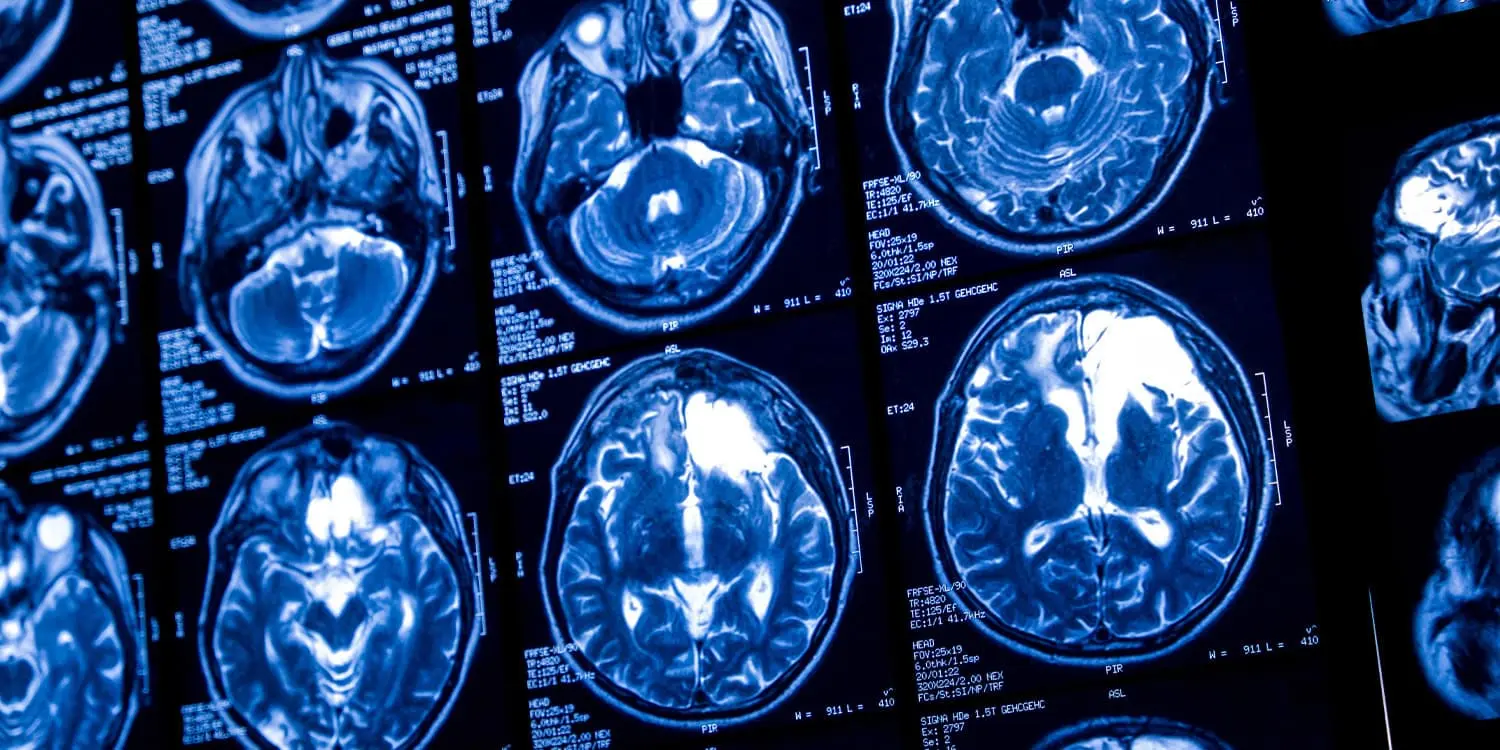 Early cognitive ability predicts adolescent brain development speed
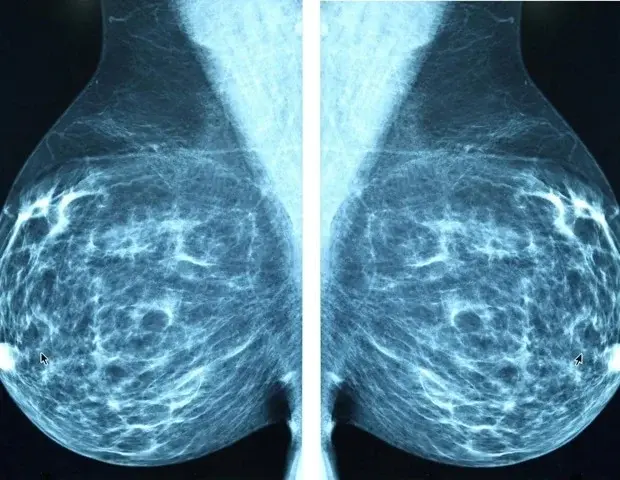 Oxaloacetate Supplement May Ease Chemo Brain in Breast Cancer Patients
Detecting brain-related signals through blood samples presents significant challenges. The bloodstream contains vast amounts of noise that obscure subtle biological markers. Specifically, over 95 percent of alpha-synuclein found in blood originates from red blood cells. This high background level makes it difficult to isolate the smaller fraction linked to Parkinson’s pathology. Traditional methods often struggle to distinguish these critical signals from the dominant cellular debris. The new sensor addresses this issue by focusing on distinct molecular states rather than total protein volume.
The innovation relies on field-effect transistors to analyze protein conformations. Alpha-synuclein exists in multiple structural forms, each carrying different diagnostic value. The sensor can differentiate between three specific variants of this protein. By identifying these distinct shapes, the device filters out irrelevant data from red blood cells. This precision allows for a clearer view of the pathological changes associated with the disease. The approach moves beyond simple concentration measurements to structural analysis. Such detailed characterization is crucial for distinguishing healthy individuals from those in early stages of decline.
Can Simple Blood Draws Replace Complex Brain Scans?
The study involved a small group of participants to validate the sensor’s performance. Despite the limited sample size, the accuracy figures were promising. A 90.9 percent success rate indicates strong potential for real-world application. Early diagnosis remains one of the greatest hurdles in treating Parkinson’s disease. Current methods often rely on symptom observation or expensive imaging techniques. These approaches frequently fail to catch the condition until significant damage has occurred. A rapid, minimally invasive blood test could change the clinical landscape entirely. It offers a way to monitor disease progression without repeated hospital visits.
The development marks a significant step in liquid biopsy research. Combining nanotechnology with protein science opens new avenues for neurological diagnostics. Future work will focus on expanding the study to larger, more diverse patient populations. Researchers aim to confirm the sensor’s reliability across different demographics and disease stages. If successful, this tool could serve as a routine screening option in primary care settings. It may also help evaluate the effectiveness of emerging therapeutic treatments. The ultimate goal is to provide patients with earlier intervention opportunities. This shift could improve quality of life and slow disease progression for millions worldwide.
Frequently Asked Questions
How does the new sensor detect Parkinson’s disease? The device uses transistor technology to identify three specific structural forms of alpha-synuclein in blood. It distinguishes these pathological variants from the protein released by red blood cells. This structural analysis provides a clear signal for early disease detection.
Why is alpha-synuclein important in this context? Alpha-synuclein is a protein heavily implicated in the development of Parkinson’s disease. While most of it in blood comes from red blood cells, a small portion reflects brain health. Detecting the specific forms of this protein allows for accurate diagnostic assessment.
What was the accuracy of the test in the study? The initial study reported an accuracy rate of 90.9 percent. This high figure was achieved using a small group of participants. Further trials are needed to verify these results with larger cohorts.
Content written by Kyle Umipig for wellness-bio-radar.com editorial team, AI-assisted.