
Breaking Down Brittle Bones
Muscle Protein: The Unexpected Culprit
Researchers have been studying osteogenesis imperfecta, a condition that affects collagen production and leads to fragile bones.
Health news
 Sleep May Be the Heart's Nightly Repair Window, Study Suggests
 APOE Genotype Influences How Well Blood Tau Protein Predicts Cognitive Decline
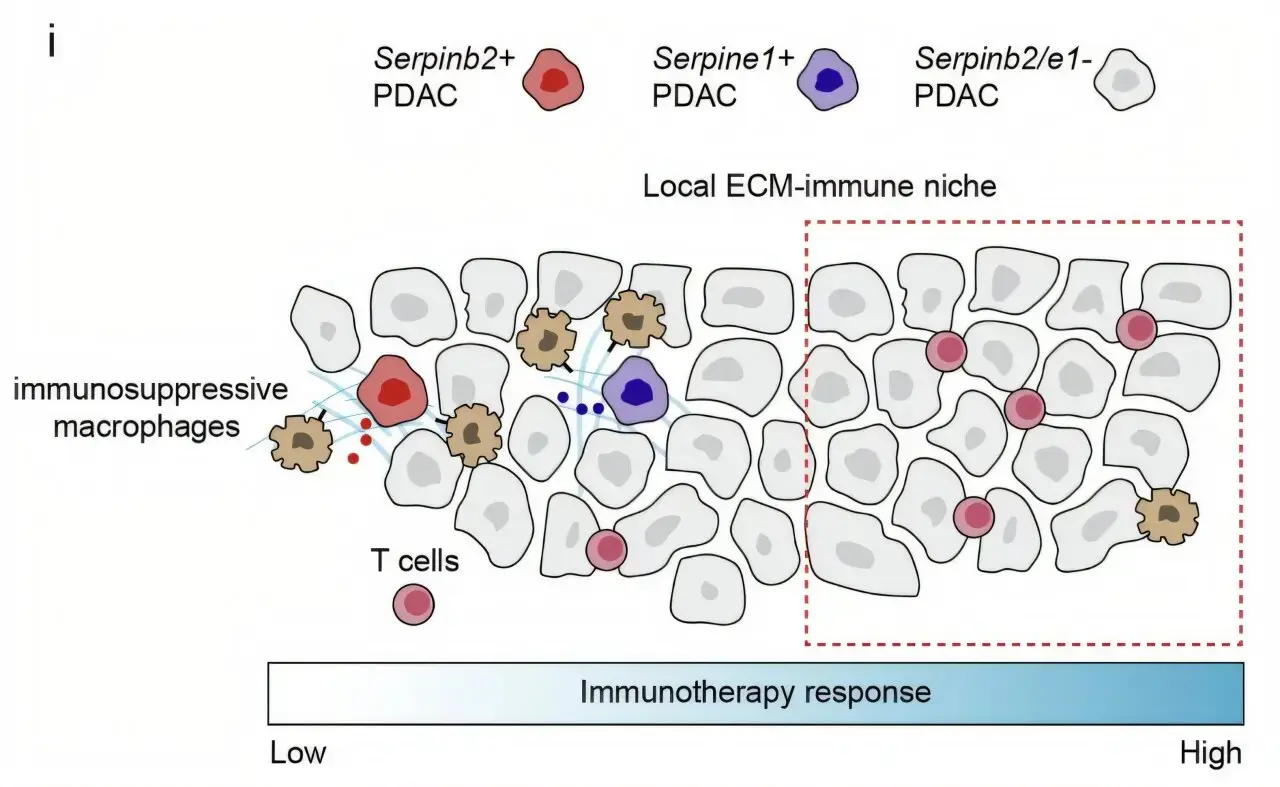 Pancreatic Cancer Hijacks Blood-Clotting System to Evade Immune Attack
 Survey Reveals Most Men Unaware Dairy May Increase Prostate Cancer Risk
Osteogenesis imperfecta, also known as „brittle bone disorder,”is a connective tissue disorder that affects the body's structure. There are over 10 types, varying in severity.
The condition causes bones to be prone to fractures due to a lack of collagen, a protein that gives structure to the body. Scientists have now discovered that reducing muscle protein activity can strengthen bone health in those with the disorder.
Can Reducing Muscle Activity Be the Answer?
By studying mice with OI, researchers found that decreasing the activity of a specific muscle protein improved bone density and reduced fractures. This breakthrough suggests a new approach to treating the condition.
The study's findings have significant implications for the treatment of OI. If reducing muscle protein activity can be replicated in humans, it could lead to new therapies that improve bone health.
As research continues, the prospect of a new treatment for brittle bone disorder is on the horizon. This could bring relief to those affected by the condition.
Frequently Asked Questions
What is osteogenesis imperfecta? Osteogenesis imperfecta is a condition that affects collagen production, leading to fragile bones. It is also known as „brittle bone disorder.”There are multiple types.
How does reducing muscle protein activity help? Reducing muscle protein activity has been shown to improve bone density and reduce fractures in mice with OI. This could lead to new treatments.
Can this be applied to humans? Further research is needed to determine if reducing muscle protein activity can be effective in humans. If successful, it could lead to new therapies.
Content written by Dr. Nathan Cole for wellness-bio-radar.com editorial team, AI-assisted.