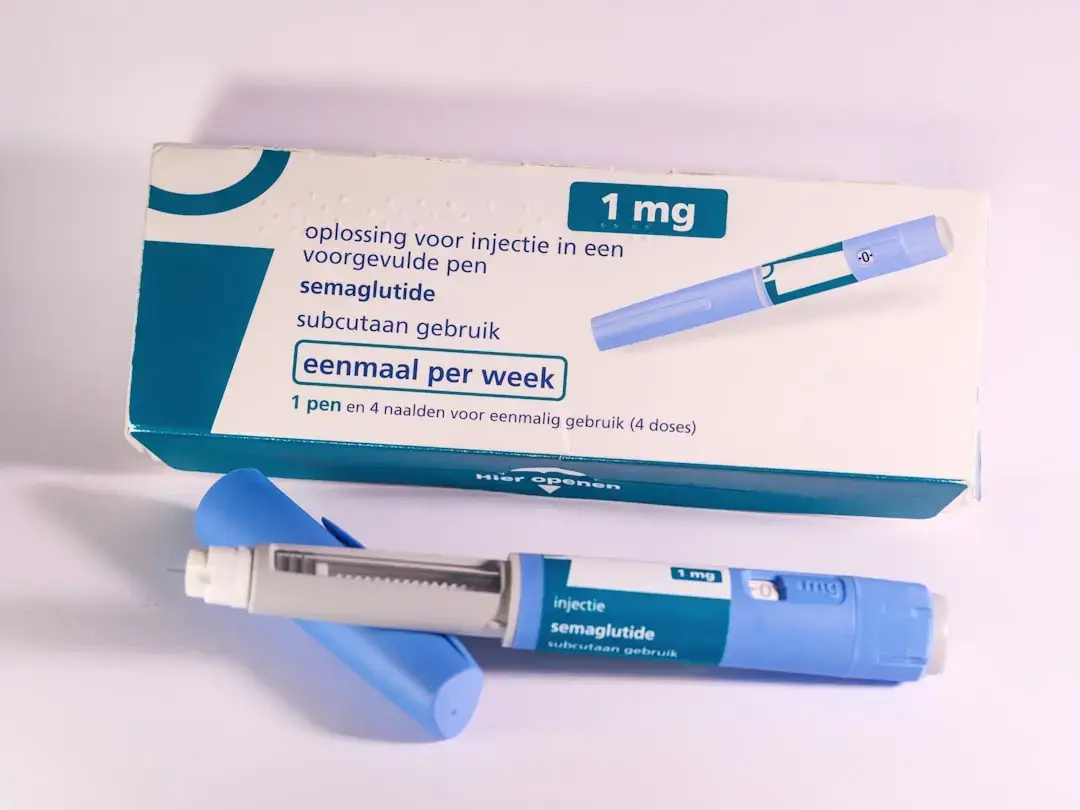
Breakthrough in Pancreatic Cancer Treatment Offers New Hope
Unraveling the Complexity of Pancreatic Cancer
Researchers have made significant strides in treating pancreatic cancer, a disease notorious for its poor prognosis and limited treatment options. A new drug, which is on the verge of regulatory approval, could change the landscape of care for patients battling this aggressive cancer.
Health news
 Voice Recording Predicts Age, Reveals New Biological Clock
 Popular Zero-Calorie Sweeteners May Pass Effects to Future Generations
 Movement Patterns Linked to Longevity
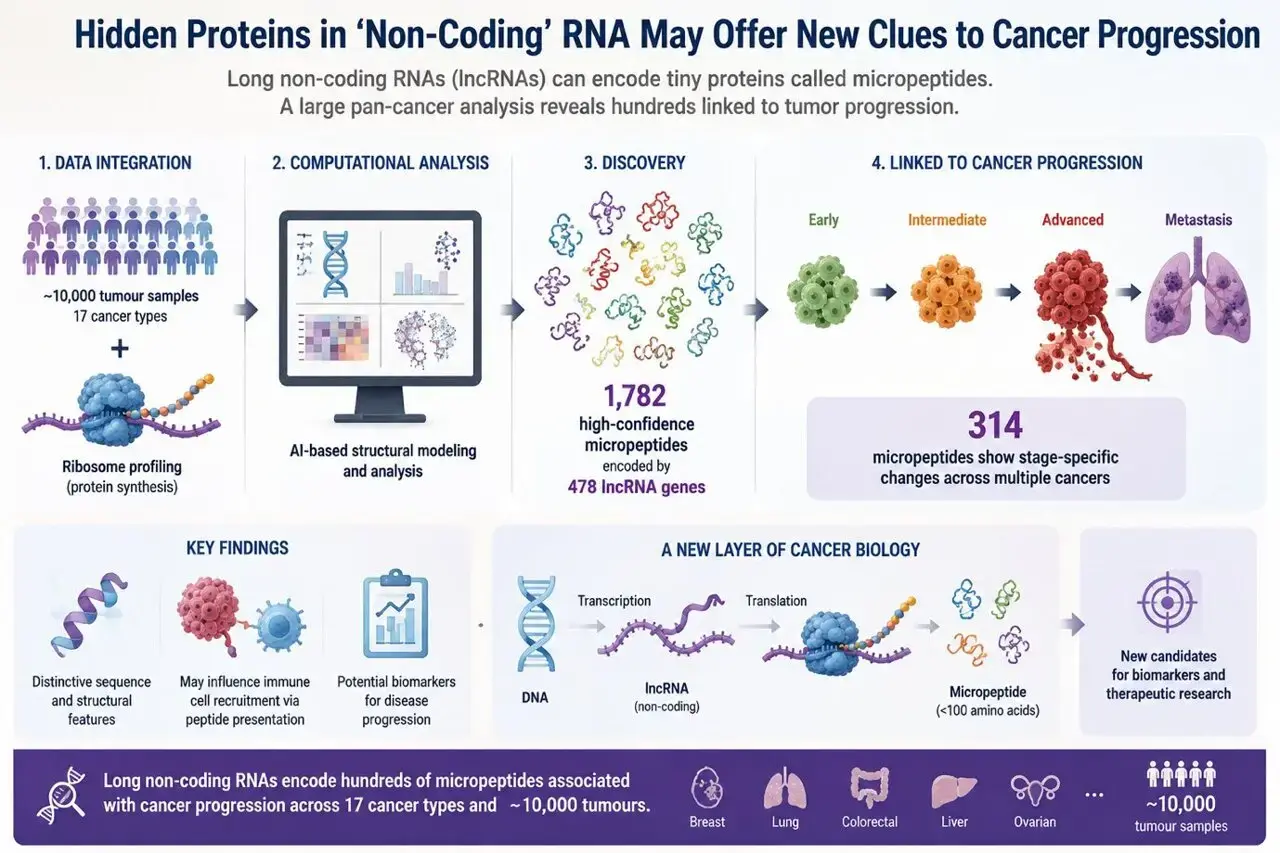 Hidden Proteins In Non-Coding RNA May Explain Cancer Spread
For years, the medical community faced a daunting challenge with pancreatic cancer. Traditional therapies have often proven ineffective, leading to a sense of hopelessness among both patients and researchers. Many believed that the biological hurdles presented by this cancer were insurmountable, resulting in a stagnation of progress in developing new treatments. However, recent advancements have shifted this narrative, offering renewed optimism.
What Makes This Treatment Different?
The breakthrough stems from an innovative approach that targets the unique characteristics of pancreatic tumors. Researchers discovered that the tumors have specific vulnerabilities that can be exploited with targeted therapies. This understanding has led to the development of a drug that not only shows promise for pancreatic cancer but may also be effective against lung and colon cancers.
Clinical trials have demonstrated encouraging results, with some patients experiencing significant tumor shrinkage. This new strategy focuses on a personalized treatment plan, tailoring therapies to the individual patient's tumor biology. Experts believe this could revolutionize how pancreatic cancer is treated, potentially improving survival rates.
One key aspect of this new treatment is its ability to overcome the challenges that have historically limited the effectiveness of cancer drugs. By focusing on the tumor's microenvironment, researchers have identified ways to enhance drug delivery and efficacy. This targeted approach minimizes side effects and maximizes therapeutic outcomes.
What Does This Mean for Patients?
Dr. Jane Smith, a leading researcher in the field, commented on the findings, stating, „We are finally beginning to understand how to tackle this complex disease. This drug represents a significant leap forward in our fight against pancreatic cancer.”The implications of this breakthrough extend beyond pancreatic cancer. The same principles may be applied to other difficult-to-treat cancers, potentially paving the way for new therapies across various oncology disciplines.
As the drug nears regulatory approval, many are hopeful about the prospects it brings. Patients diagnosed with pancreatic cancer often face limited options and grim survival statistics. The introduction of this new treatment could offer a lifeline to those affected, improving not just survival rates but also quality of life.
Experts are optimistic that this breakthrough will lead to further research and development of innovative therapies. The medical community is eager to see how this strategy can be adapted for use in other cancer types, potentially leading to a broader impact in oncology.
Frequently Asked Questions
What is the new drug targeting pancreatic cancer? The new drug is designed to exploit specific vulnerabilities in pancreatic tumors, enhancing treatment efficacy and minimizing side effects.
How does this breakthrough affect other cancers? The treatment strategy may also be applicable to lung and colon cancers, offering hope for improved therapies in those areas as well.
Content written by Marcus Reid for wellness-bio-radar.com editorial team, AI-assisted.