
CAR T-Cell Therapy Shows Promise in Rheumatoid Arthritis Trial
A New Approach to Treatment
A clinical trial in London has shown encouraging initial results for patients with severe rheumatoid arthritis who had not responded to multiple treatments. The trial involved six patients with seropositive rheumatoid arthritis. Results were presented at a recent meeting.
Health news
 Sleep May Be the Heart's Nightly Repair Window, Study Suggests
 APOE Genotype Influences How Well Blood Tau Protein Predicts Cognitive Decline
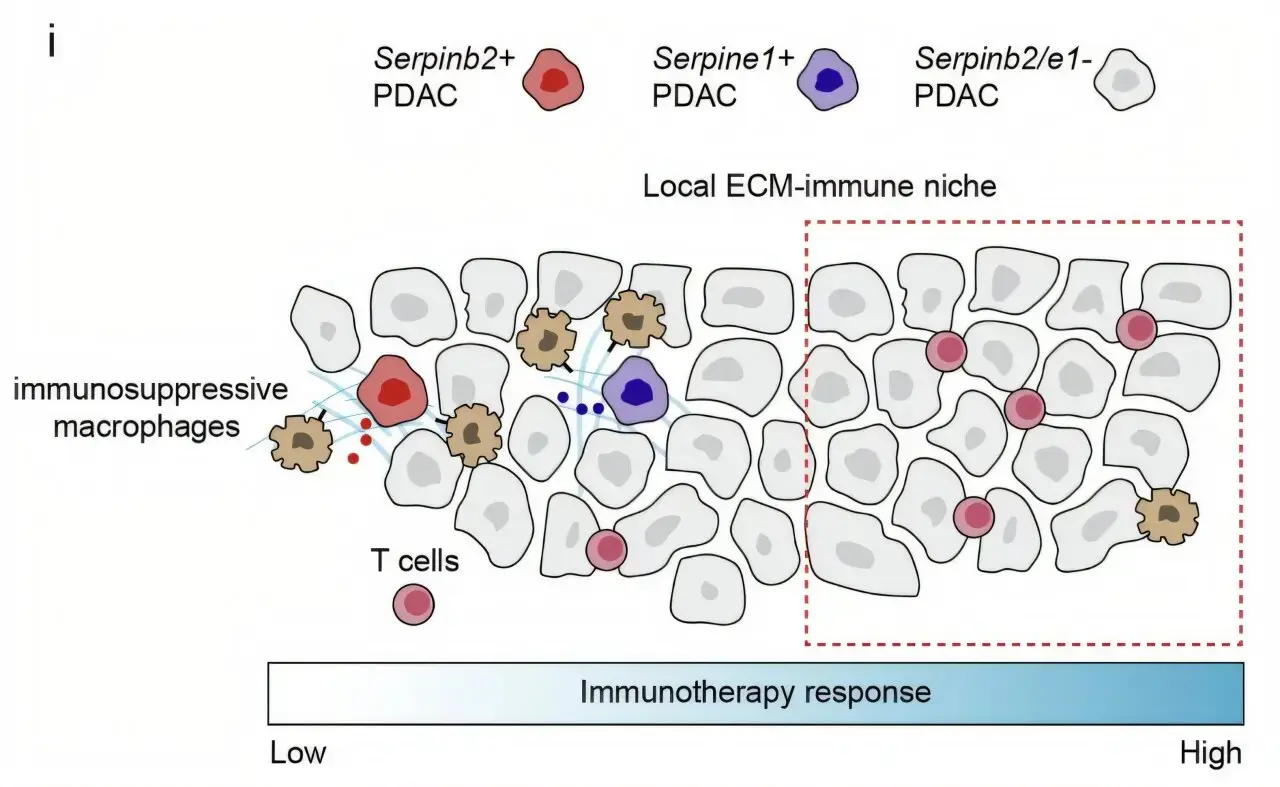 Pancreatic Cancer Hijacks Blood-Clotting System to Evade Immune Attack
 Survey Reveals Most Men Unaware Dairy May Increase Prostate Cancer Risk
The patients had tried many standard drugs without success, making their condition super-refractory. CAR T-cell therapy involves removing a patient's T-cells, modifying them to target specific proteins, and reinfusing them.
Four of the six patients showed strong initial responses to the CAR T-cell therapy. This is a significant finding, given the patients' history of not responding to other treatments. The therapy targets B-cells, which play a key role in the disease.
Can CAR T-Cell Therapy Be a Game-Changer?
The trial's results are promising, but more research is needed to understand the long-term effects and potential side effects. The patients will be monitored closely to assess the durability of the response.
If successful, CAR T-cell therapy could offer new hope for patients with severe rheumatoid arthritis. It may provide an alternative for those who have not responded to existing treatments.
The trial's outcome has significant implications for the future treatment of rheumatoid arthritis. As research continues, it is likely that CAR T-cell therapy will be explored further.
Frequently Asked Questions
What is CAR T-cell therapy? CAR T-cell therapy is a treatment that involves removing and modifying a patient's T-cells to target specific proteins. It is being explored as a potential treatment for various diseases, including rheumatoid arthritis.
How does CAR T-cell therapy work in rheumatoid arthritis? The therapy targets B-cells, which contribute to the disease. By removing or reducing B-cells, the therapy aims to alleviate symptoms.
What are the next steps for the trial? The patients will be monitored closely to assess the long-term effects and durability of the response to CAR T-cell therapy.
Content written by Marcus Reid for wellness-bio-radar.com editorial team, AI-assisted.