Daily Peanut Consumption Boosts Brain Insulin Response
Tracking Metabolic Shifts in Memory Centers
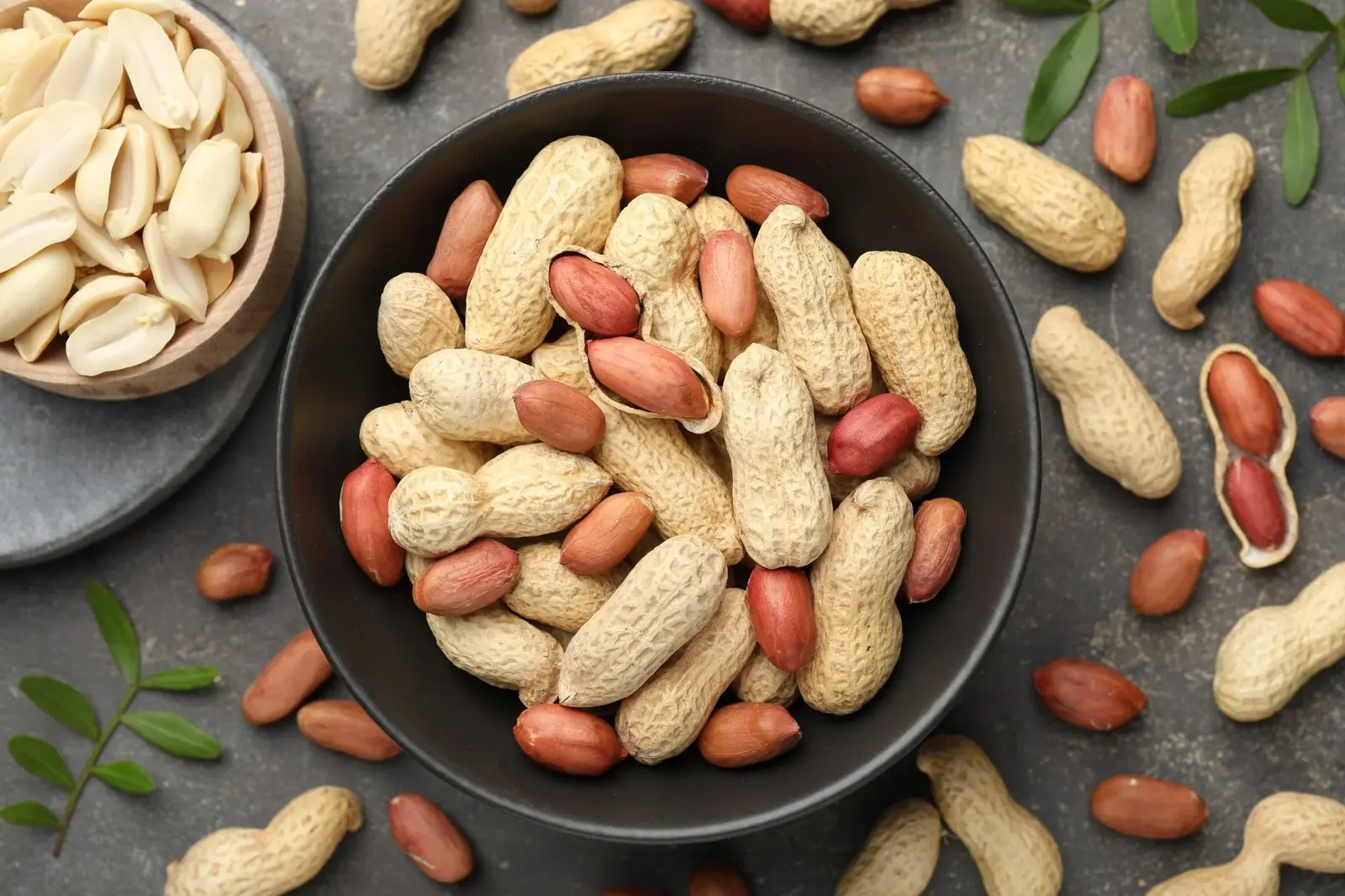
A new 16-week clinical trial reveals that eating unsalted peanuts daily enhances regional brain insulin responsiveness in older adults. Researchers tracked participants who consumed the skin-roasted nuts to understand how simple dietary adjustments might support cognitive health and influence memory-related brain regions over time.
Health news
 Exercise and Mood: Italian Study Links Physical Activity to Lower Depression Symptoms
 Screen Time in Childhood Linked to Unexpected Cognitive Boost in Teens, 8‑Year Study Shows
 Workplace stress and anxiety are taking a heavy toll on employees, with one in three workers reporting that the strain is not easing
 Daily Food Habit Tied to Lower Risk of Anxiety and Depression
Scientists designed the study to explore whether regular peanut intake could alter metabolic processes linked to brain aging. Participants incorporated the unsalted nuts into their daily routine for nearly four months. Clinical measurements tracked changes in how specific areas of the brain processed insulin, a hormone vital for cognitive function and metabolic regulation.
Could Daily Nuts Prevent Cognitive Decline?
The trial specifically focused on brain regions associated with memory and cognitive processing. Researchers observed positive alterations in insulin sensitivity within these targeted areas after the 16-week intervention period. Improved insulin signaling in the brain often correlates with better cognitive preservation as people age.
Skin-roasted and unsalted peanuts provided a controlled dietary variable for the research team. This ensured that added sodium or heavy processing did not skew the metabolic outcomes. The findings highlight how whole foods might deliver targeted neurological benefits without complex pharmacological interventions.
Dietary interventions represent a promising, accessible frontier in neurological research and preventative healthcare. Scientists believe these metabolic enhancements could offer a protective effect against age-related cognitive decline. Further research is necessary to determine the exact mechanisms driving these brain changes and to test diverse populations.
Frequently Asked Questions
The clinical trial establishes a foundational link between everyday dietary habits and complex neurological responses. Nutritionists may soon include specific nuts in dietary guidelines aimed at supporting long-term brain health. Public health initiatives could leverage these insights to promote simple, food-based strategies for aging populations.
Q: Which part of the body showed improvement? A: Memory-related brain regions showed enhanced regional insulin responsiveness.