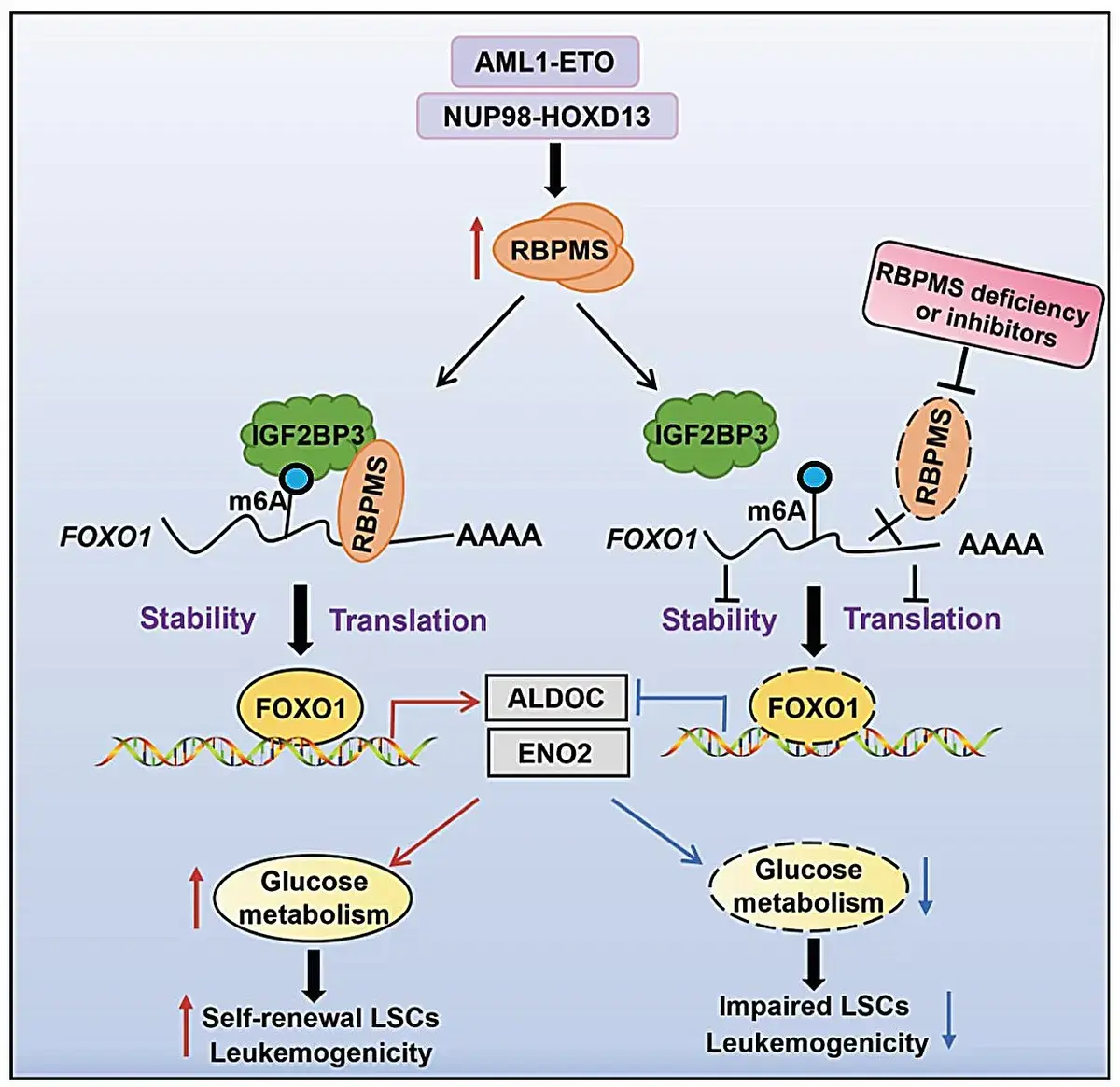
Discovery of RNA Binding Protein's Role in Acute Myeloid Leukemia Uncovered
Unraveling the Mechanisms of RBPMS in AML
Acute myeloid leukemia (AML) is a severe form of blood cancer that poses significant challenges for patients and healthcare providers. Recent research from the Chinese Academy of Sciences has shed light on the role of a specific RNA binding protein, RBPMS, in the development and progression of this aggressive disease.
Health news
 Sleep May Be the Heart's Nightly Repair Window, Study Suggests
 APOE Genotype Influences How Well Blood Tau Protein Predicts Cognitive Decline
 Pancreatic Cancer Hijacks Blood-Clotting System to Evade Immune Attack
 Survey Reveals Most Men Unaware Dairy May Increase Prostate Cancer Risk
The study focuses on the molecular mechanisms by which RBPMS influences AML. Researchers found that RBPMS plays a crucial role in regulating gene expression through alternative splicing. This process allows a single gene to produce multiple protein variants, which can significantly impact cell behavior and cancer progression. Understanding how RBPMS operates could lead to new targeted therapies for AML.
The research highlights that RBPMS is involved in various cellular functions, including proliferation and apoptosis, which are critical in cancer. By analyzing patient samples, scientists discovered that elevated levels of RBPMS correlate with poor prognosis in AML cases. This finding suggests that RBPMS could serve as a potential biomarker for disease severity and treatment response.
What Are the Implications of Targeting RBPMS?
Dr. Wang Lan, a leading researcher in the study, emphasized the importance of RBPMS in AML. „Our findings indicate that targeting RBPMS could be a promising strategy for developing new therapies,” he stated. The study also explored how RBPMS interacts with other cellular pathways, further complicating the landscape of AML treatment.
The identification of RBPMS as a key player in AML opens new avenues for therapeutic intervention. Researchers are now investigating how inhibiting RBPMS function might affect cancer cell survival and proliferation. This could lead to the development of drugs that specifically target this protein, potentially improving outcomes for patients with AML.
The study's insights into RBPMS could also provide a framework for understanding other cancers where similar splicing mechanisms are at play. As scientists continue to unravel the complexities of RNA binding proteins, the potential for innovative treatments grows.
Frequently Asked Questions
The implications of this research extend beyond AML. By understanding the role of RBPMS in cancer biology, researchers may uncover new strategies for treating various malignancies, enhancing the overall landscape of cancer care.
What is the significance of RBPMS in acute myeloid leukemia? RBPMS is linked to gene expression regulation through alternative splicing, influencing cell behavior in AML. Elevated levels are associated with worse patient outcomes.
How could this research impact future treatments for AML? Targeting RBPMS may lead to the development of new therapies aimed at improving patient survival rates and managing the disease more effectively.
Content written by Claire Ashworth for wellness-bio-radar.com editorial team, AI-assisted.