
Experimental Compound Shows Promise in Targeting Fat Loss Without Muscle Reduction
Researchers noted that the compound did not alter food intake
Researchers at the University of California, Berkeley, have identified a decades-old compound that increases energy expenditure in mice, leading to significant fat loss while preserving muscle mass. The findings, published in August 2026, suggest a potential new approach to treating obesity by enhancing metabolic activity without the adverse effects commonly associated with weight loss drugs. The study focused on how the compound influences cellular energy use, offering insights into mechanisms that could be adapted for human therapies. Mechanism Behind Selective Fat Burning The compound works by activating a specific pathway in mitochondria, the energy-producing structures within cells. This activation increases thermogenesis, the process by which the body burns calories to generate heat. In mouse models, treated animals showed a notable rise in oxygen consumption and fat oxidation, indicating heightened metabolic activity. Importantly, lean tissue remained largely unaffected, distinguishing this effect from other interventions that often result in muscle wasting.
Health news
 APOE Genotype Influences How Well Blood Tau Protein Predicts Cognitive Decline
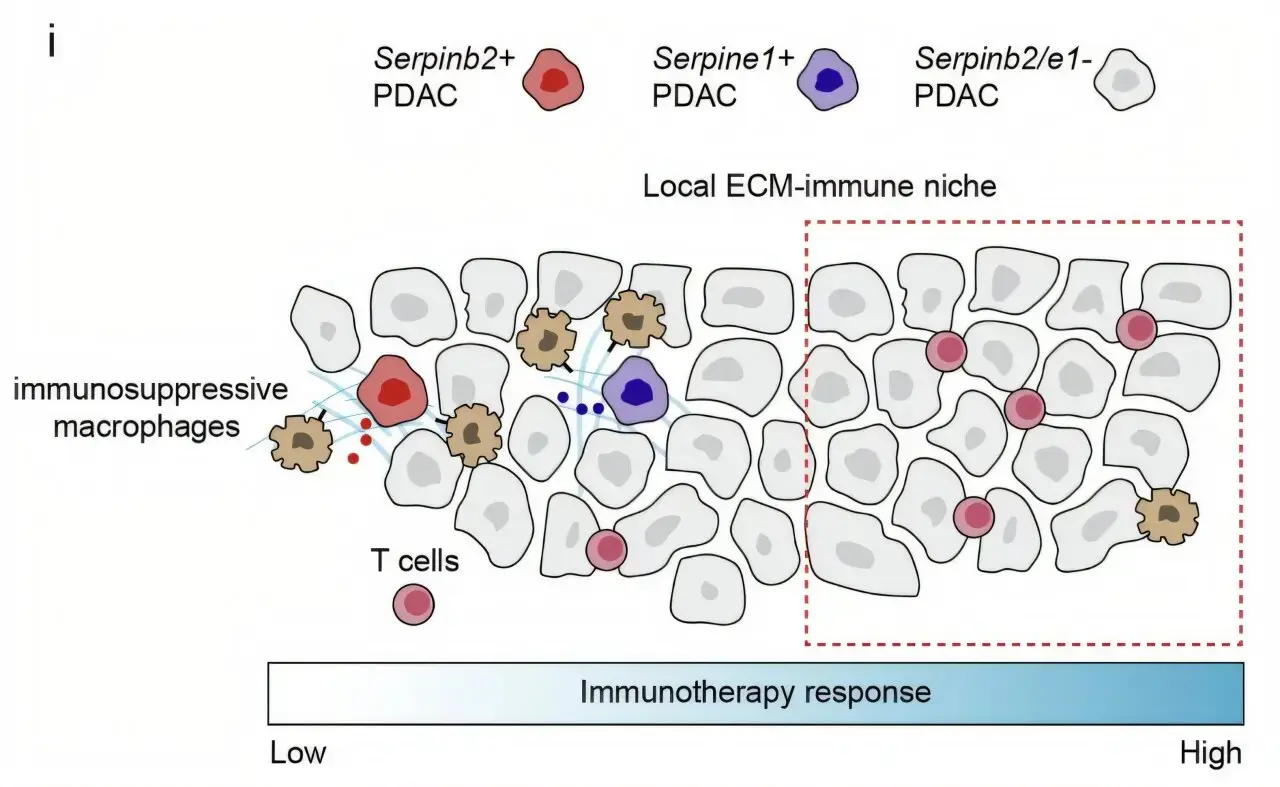 Pancreatic Cancer Hijacks Blood-Clotting System to Evade Immune Attack
 Survey Reveals Most Men Unaware Dairy May Increase Prostate Cancer Risk
 Therapeutic Gardening Shows Promise for Mental Health in Adults with Chronic Illnesses
Researchers noted that the compound did not alter food intake, suggesting its impact stems purely from increased energy expenditure rather than appetite suppression. Can This Approach Translate to Human Obesity Treatment? While the results in mice are encouraging, scientists caution that translating these findings to humans requires further investigation. The compound’s long-term safety, optimal dosage, and potential side effects remain unknown. Additionally, human metabolism is more complex than that of rodents, and factors such as genetics, lifestyle, and diet could influence outcomes. Nonetheless, the ability to target fat loss while sparing muscle represents a significant advantage over current obesity medications, some of which carry risks of cardiovascular issues or gastrointestinal distress. Experts emphasize that any future therapy would need to undergo rigorous clinical testing before approval. Frequently Asked Questions What is the name of the compound studied?
The source does not disclose the specific name of the compound, referring only to it as a decades-old molecule with newly identified metabolic properties. How much fat did the mice lose in the study? Exact figures on fat loss percentage or weight reduction are not provided in the source material. Is the compound already approved for any medical use? There is no indication in the source that the compound is currently approved for treating obesity or any other condition in humans.
Content written by Claire Ashworth for wellness-bio-radar.com editorial team, AI-assisted.