
Extreme Heat Seasons Are Expanding Symmetrically Across the Calendar
How Symmetric Expansion Changes Risk Assessment
Extreme heat events are now occurring more frequently not just during traditional summer months but also in the transitional periods before and after, according to a new study from the Columbia Climate School. Researchers analyzed temperature patterns and found that the timing of extreme heat has shifted, with events appearing earlier in spring and later in fall, creating a more symmetric expansion around the warm season. This change means communities face heat risks over a longer stretch of the year, challenging existing preparedness plans.
Health news
 APOE Genotype Influences How Well Blood Tau Protein Predicts Cognitive Decline
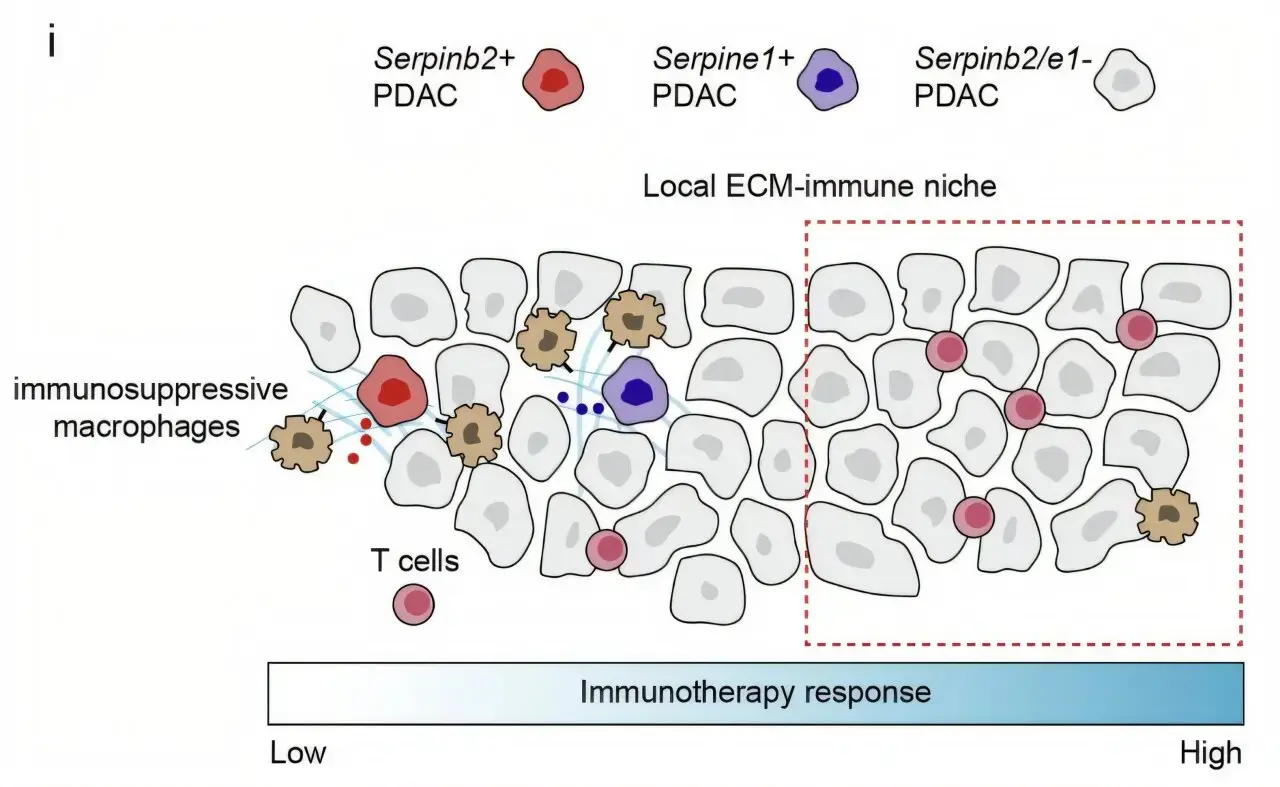 Pancreatic Cancer Hijacks Blood-Clotting System to Evade Immune Attack
 Survey Reveals Most Men Unaware Dairy May Increase Prostate Cancer Risk
 Therapeutic Gardening Shows Promise for Mental Health in Adults with Chronic Illnesses
The study highlights that while extreme heat has long been associated with peak summer, its increasing presence in shoulder seasons suggests a fundamental shift in climate patterns. Scientists note that this symmetry in expansion—equally pronounced before and after the core summer period—points to broader atmospheric changes rather than isolated anomalies. The findings are based on decades of observational data, showing consistent trends across multiple regions. Experts warn that infrastructure, public health systems, and agricultural schedules designed for historical heat windows may no longer be adequate.
What Does This Mean for Future Heat Preparedness?
The symmetric nature of this trend complicates forecasting and response strategies, as heat warnings may now need to extend into months previously considered low-risk. Urban planners are urged to reconsider cooling center schedules and energy grid preparations, which often assume a concentrated summer peak. Farmers, too, face shifting growing seasons, with heat stress affecting crops earlier in planting and later in harvest. The study’s lead researcher emphasized that adaptation must evolve beyond seasonal fixes to year-round resilience.
As heat seasons stretch symmetrically, the window for effective intervention narrows, requiring continuous monitoring rather than seasonal alerts. Public health campaigns may need to run longer, targeting vulnerable populations well beyond July and August. Energy demand patterns could also shift, straining systems unprepared for prolonged cooling needs. Scientists stress that reducing greenhouse gas emissions remains critical to slowing this expansion, while local adaptation must now account for a nearly year-round threat.
What does symmetric expansionof extreme heat mean? It means extreme heat is increasing equally in the months before and after the traditional summer peak, expanding the heat season on both ends rather than shifting it entirely.
Frequently Asked Questions
How was this pattern identified in the study? Researchers analyzed long-term temperature records, identifying a consistent rise in extreme heat occurrences during transitional seasons across multiple geographic areas.
Why does this timing shift matter for communities? Longer heat seasons increase risks to health, infrastructure, and agriculture, requiring updated planning that extends beyond the usual summer focus.
Content written by Marcus Reid for wellness-bio-radar.com editorial team, AI-assisted.