GLP-1 Drugs Linked to Reduced Alcohol Use and Healthier Eating
Do GLP-1 Drugs Directly Influence Lifestyle Choices?
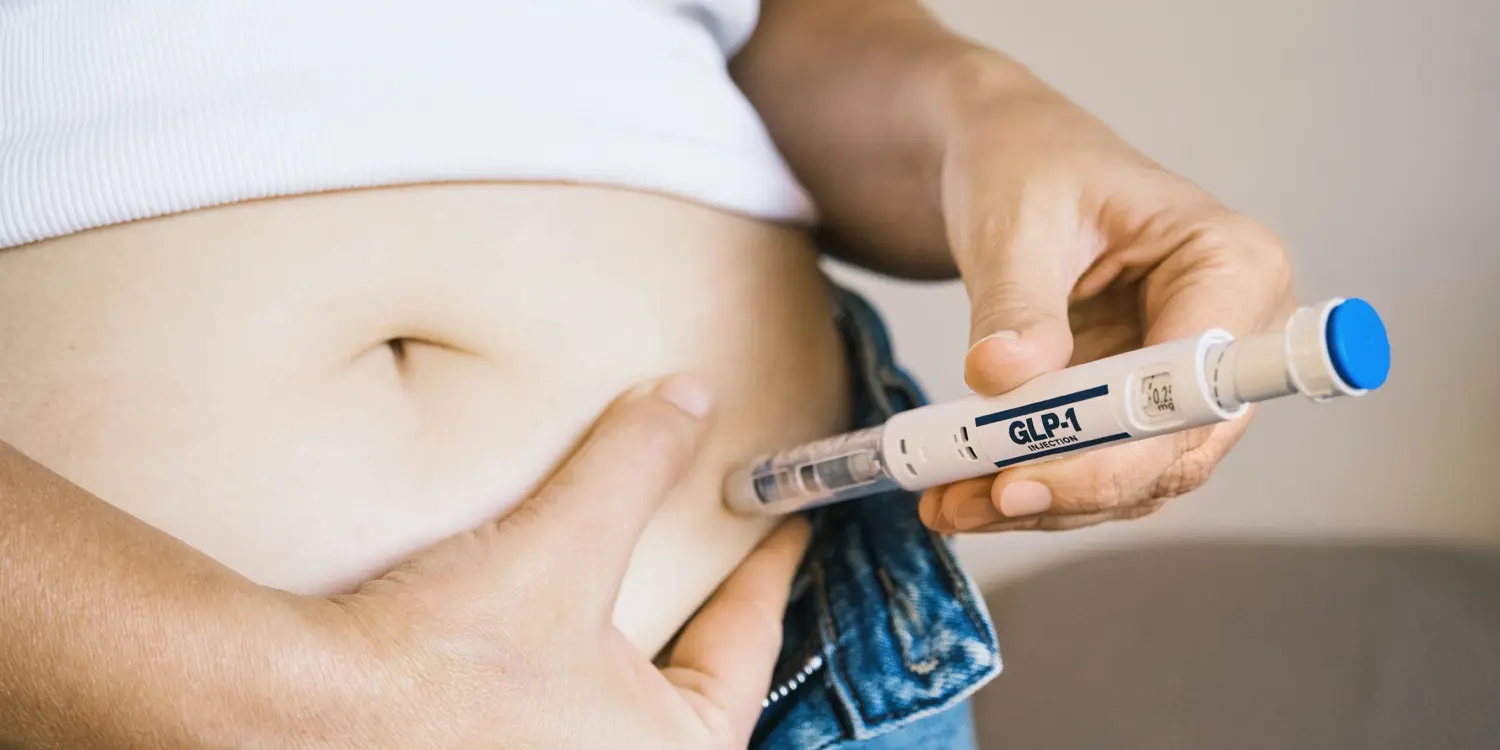
Researchers tracked 135 adults in Spain for nearly a year while they received routine care with GLP-1 receptor agonists. The study, published in Addictive Behaviors, examined how these medications affected lifestyle habits and emotional well-being. Participants were monitored through regular medical check-ups, allowing researchers to observe natural behavior changes over time.
Health news
 Exercise and Mood: Italian Study Links Physical Activity to Lower Depression Symptoms
 Screen Time in Childhood Linked to Unexpected Cognitive Boost in Teens, 8‑Year Study Shows
 Workplace stress and anxiety are taking a heavy toll on employees, with one in three workers reporting that the strain is not easing
 Daily Food Habit Tied to Lower Risk of Anxiety and Depression
The findings showed a clear trend toward healthier habits. Patients reduced their alcohol consumption and adhered more closely to balanced diets. They also reported feeling calm and peaceful more frequently during the treatment period. These shifts emerged without structured behavioral interventions, suggesting the drugs themselves may influence daily choices.
The mechanism behind these changes remains under investigation. GLP-1 receptor agonists primarily target appetite regulation and blood sugar control. However, their effects extend beyond weight loss. By modulating satiety signals in the brain, these drugs may reduce cravings for alcohol and unhealthy food. This neural impact could explain why patients naturally gravitated toward healthier options without formal counseling or diet plans.
What Does This Mean for Addiction and Mental Health?
The study relied on self-reported data collected during routine visits. Researchers measured alcohol intake, dietary patterns, and emotional states using standardized questionnaires. The longitudinal design captured how habits evolved month by month. This approach provides real-world evidence rather than controlled trial data.
The results hint at a broader role for GLP-1 drugs in behavioral health. Reduced alcohol use aligns with emerging research on these medications and addiction. The increased sense of calm and peace suggests potential benefits for anxiety and mood regulation. These findings could reshape how clinicians view GLP-1 therapy, positioning it as a tool for both metabolic and behavioral improvement.
The study has limitations. It was conducted in a single country with a moderate sample size. Self-reported data may introduce bias. Future research with larger, multi-site cohorts will be needed to confirm these patterns. Still, the evidence adds weight to the idea that GLP-1 drugs influence more than just weight and blood sugar.
Frequently Asked Questions
Do GLP-1 drugs reduce alcohol cravings? The study found that patients on these medications tended to drink less alcohol over time. Researchers believe the drugs affect brain circuits involved in reward and satiety, which may lower the urge to drink.
Can GLP-1 therapy improve emotional well-being? Yes, participants reported feeling calmer and more peaceful during treatment. This suggests the drugs may have secondary benefits for mood and stress management beyond their primary metabolic effects.
Is this effect dependent on a structured diet plan? No, the study involved routine medical care without formal behavioral programs. The observed improvements in diet and alcohol use emerged naturally during standard treatment, indicating the medication itself plays a role in shaping healthier habits.