Harnessing the Heart's Natural Defense Against Heart Attack Damage
The HIF Response
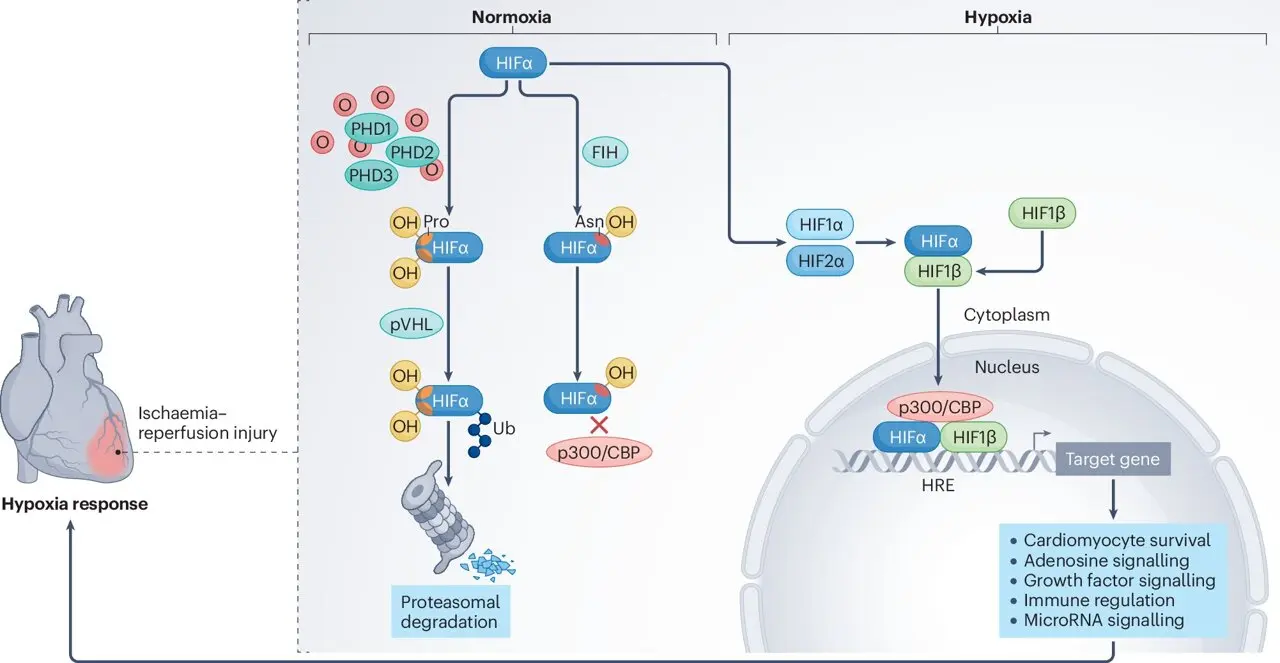
Holger Eltzschig leads a team at UTHealth Houston. They published a review in Nature Reviews Cardiology. The work focuses on hypoxia-inducible factors (HIF). These proteins act as oxygen sensors. They trigger protective gene networks. This helps the heart adapt to low oxygen.
Health news
 Nurse Job Esteem Linked to Stress and Injuries in Beijing Study
 Epigenetic Changes May Drive Human Aging More Than Other Factors
 Rivus Pharmaceuticals to Unveil Data on Muscle-Sparing Weight-Loss Drug
 FDA Clears Path for New COPD Lung Treatment Trial
Eltzschig is a professor at UTHealth Houston. He holds the John P. and Kathrine G. McGovern Distinguished University Chair. He is also vice president for translational medicine. „Heart attack is a major cause of perioperative death,”he said. „My lab has spent decades finding ways to protect the heart.” Understanding the Damage A heart attack occurs when blood flow is blocked. This lack of oxygen kills heart cells. It also triggers inflammation. Restoring circulation is essential. However, the sudden return of oxygen causes extra damage. This is called ischemia-reperfusion injury.
Circadian Rhythms and Protection
Eltzschig's team found that the time of day matters. The severity of damage depends on the hour. This effect is driven by BMAL1 and HIF2A. These proteins interact to regulate the heart's response. HIF2A offers more protection in the afternoon. This explains why morning attacks cause more damage. The team is now testing if activating HIF2A in the morning can help.
Future Therapies
The review highlights the central role of HIF proteins. It proposes using HIF-activating drugs. These drugs could protect the heart during attacks and surgery. HIF1A is key for ischemic preconditioning. HIF2A provides additional, circadian-dependent protection.
Animal studies show HIF activators reduce damage. These therapies are not yet standard for heart patients. However, some are already FDA-approved for other conditions. Future clinical trials will test their effectiveness. The goal is to reduce damage in acute attacks and major cardiac surgery.
Content written by Medical Xpress for wellness-bio-radar.com editorial team, AI-assisted.