Italy's Longevity Boom: A Shifting Landscape of Extreme Aging
Southern Italy Emerges as Longevity Hotspot
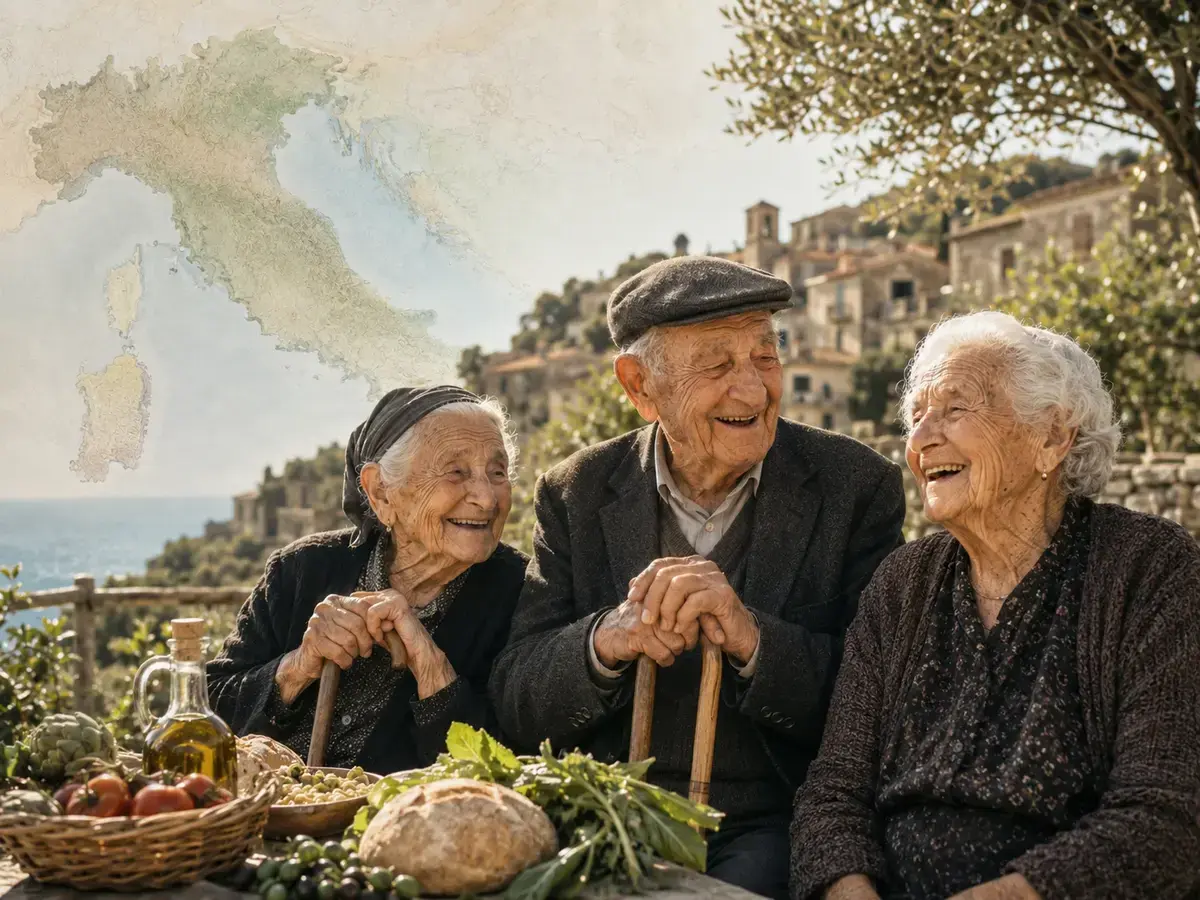
New research reveals that extreme longevity is growing across Italy, but not uniformly. A nationwide study examined regional aging patterns from 1982 to 2025. It highlights how factors like diet, health issues, and obesity are influencing where people live longer, particularly in southern Italy.
Health news
 Sleep May Be the Heart's Nightly Repair Window, Study Suggests
 APOE Genotype Influences How Well Blood Tau Protein Predicts Cognitive Decline
 Pancreatic Cancer Hijacks Blood-Clotting System to Evade Immune Attack
 Survey Reveals Most Men Unaware Dairy May Increase Prostate Cancer Risk
The study found a significant increase in the number of centenarians and supercentenarians (those over 110) throughout Italy. This trend is especially pronounced in the southern regions. These areas are showing a higher prevalence of extreme longevity compared to the north. This suggests a potential shift in traditional blue zonethinking, where specific, isolated communities were once thought to hold the secret to long life.
What Factors Contribute to Regional Longevity Differences?
Researchers analyzed various ecological factors at a regional level. They looked at disease burden, dietary habits, and rates of obesity. These elements appear to be strongly correlated with the observed longevity patterns. The findings indicate that lifestyle and environmental factors play a crucial role in supporting extreme old age.
The study suggests that traditional Mediterranean diets, often more prevalent in southern Italy, could be a key contributor. Lower rates of certain chronic diseases and different social structures might also play a part. Conversely, regions with higher obesity rates or greater disease burden often showed less pronounced increases in extreme longevity. This points to a complex interplay of health and lifestyle.
The uneven spread of extreme longevity across Italy offers valuable insights. It suggests that healthy aging is not confined to isolated pockets. Instead, it can emerge in broader regions influenced by specific environmental and lifestyle factors. Understanding these regional differences could inform public health strategies.
Frequently Asked Questions
What is extreme longevity? Extreme longevity refers to living to a very old age, typically defined as reaching 100 years or more (centenarians) or even 110 years and beyond (supercentenarians). It represents the upper limits of human lifespan.
How do diet and disease burden affect longevity? The study indicates that regions with healthier dietary patterns, such as the Mediterranean diet, and lower prevalence of chronic diseases tend to show higher rates of extreme longevity. Conversely, areas with higher obesity and disease burden may see less growth in their oldest populations.
Content written by Dr. Nathan Cole for wellness-bio-radar.com editorial team, AI-assisted.