
Ketogenic Diet Shows Promise for Schizophrenia and Bipolar Disorder
How Does Diet Affect Brain Function?
A recent study has revealed the ketogenic diet's potential to significantly improve symptoms in individuals with schizophrenia and bipolar disorder. Researchers found that this dietary approach, which alters the body's energy source, led to rapid metabolic changes and eased long-standing psychiatric issues. The findings suggest a new avenue for treating these serious mental health conditions.
Health news
 Sleep May Be the Heart's Nightly Repair Window, Study Suggests
 APOE Genotype Influences How Well Blood Tau Protein Predicts Cognitive Decline
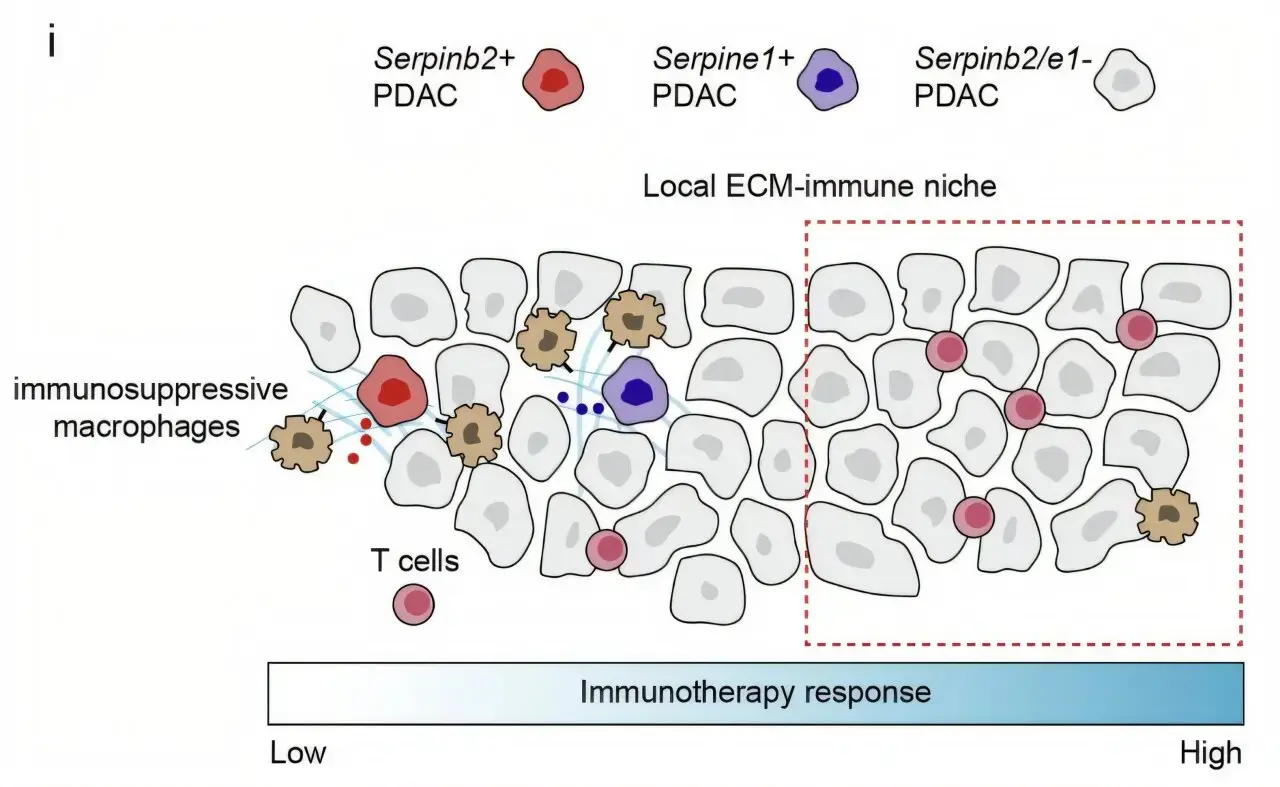 Pancreatic Cancer Hijacks Blood-Clotting System to Evade Immune Attack
 Survey Reveals Most Men Unaware Dairy May Increase Prostate Cancer Risk
The diet works by shifting the body's primary fuel from glucose to ketones, derived from fat. This metabolic change appears to bypass faulty glucose pathways in the brain. By doing so, it effectively restores proper energy function to brain cells. This intervention is part of an emerging field called metabolic psychiatry.
Can Diet Really Replace Medication for Mental Illness?
The brain typically relies on glucose for energy. However, in some psychiatric conditions, glucose metabolism can be impaired. This impairment can lead to energy deficits in brain cells. The ketogenic diet offers an alternative fuel source, ketones, which the brain can use more efficiently. This bypasses the dysfunctional glucose pathways. This metabolic shift can lead to improved brain function and reduced psychiatric symptoms. The diet is considered both feasible and safe for patients.
While promising, the ketogenic diet is not presented as a direct replacement for existing medications. Instead, it is seen as a potentially transformative add-on therapy. The study highlights its ability to address underlying metabolic issues contributing to psychiatric symptoms. This suggests it could work alongside traditional treatments. Further research is needed to fully understand its long-term impact and integration into clinical practice. The diet offers a new, non-pharmacological approach to managing these complex disorders.
What is the ketogenic diet? The ketogenic diet is a very low-carbohydrate, high-fat diet. It forces the body to burn fat for energy instead of carbohydrates. This process produces molecules called ketones, which the body then uses as fuel.
Frequently Asked Questions
How does the ketogenic diet help with psychiatric symptoms? The diet helps by providing an alternative energy source (ketones) to the brain. This bypasses impaired glucose metabolism often seen in conditions like schizophrenia and bipolar disorder. This can restore proper brain energy and reduce symptoms.
Is this diet safe for everyone? The study found the ketogenic diet to be highly feasible and safe for the participants. However, any significant dietary change, especially for medical conditions, should be undertaken under medical supervision.
Content written by Claire Ashworth for wellness-bio-radar.com editorial team, AI-assisted.