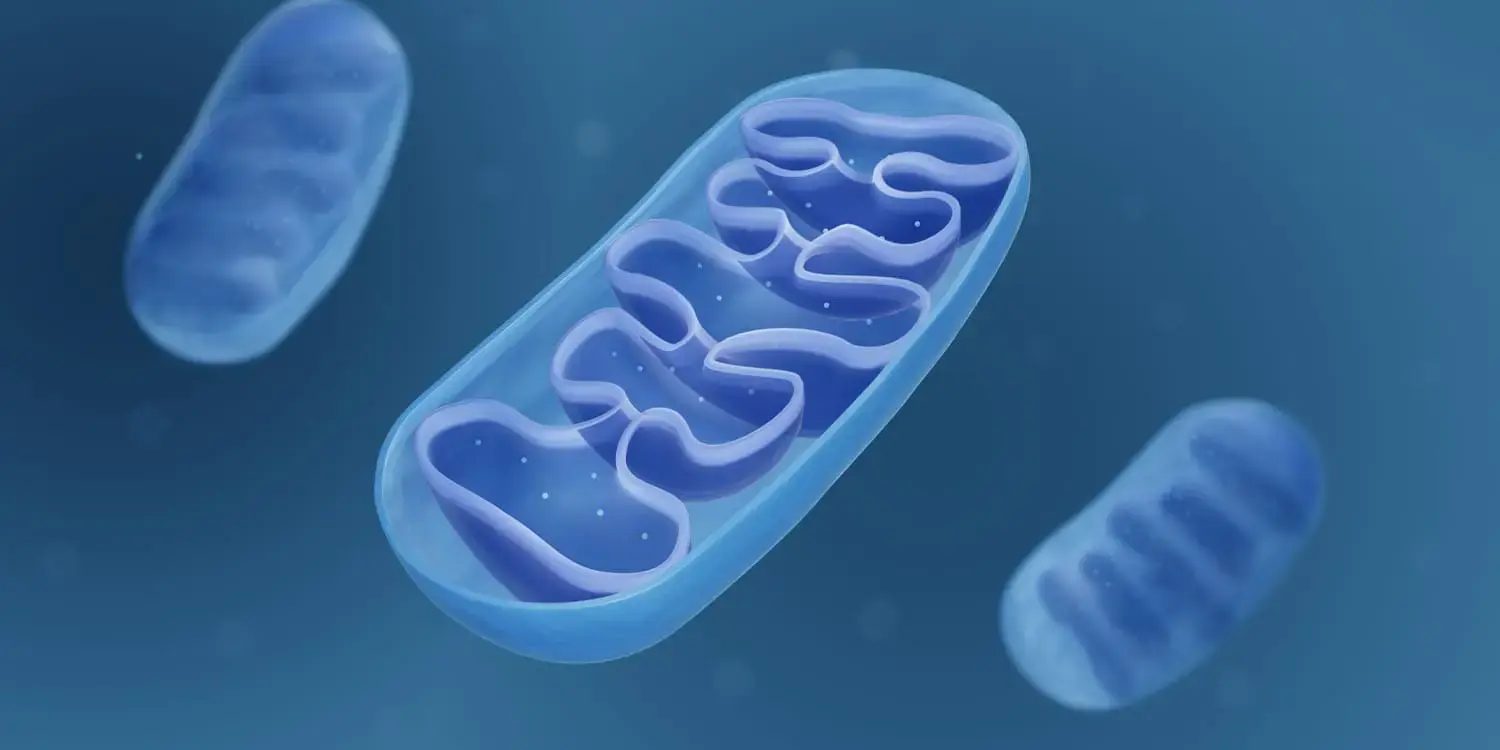
Mitochondrial Protein in Brain Found to Control Fat Intake and Weight
How Brain Mitochondria Influence Eating Behavior
Researchers have identified a mitochondrial protein in the brain that plays a key role in regulating how mice consume dietary fat and maintain body weight. The study, published in The FASEB Journal, shows that when this protein is absent in certain appetite-regulating neurons, mice eat more fat and develop obesity. The findings highlight a direct link between brain mitochondria and metabolic control.
Health news
 APOE Genotype Influences How Well Blood Tau Protein Predicts Cognitive Decline
 Pancreatic Cancer Hijacks Blood-Clotting System to Evade Immune Attack
 Survey Reveals Most Men Unaware Dairy May Increase Prostate Cancer Risk
 Therapeutic Gardening Shows Promise for Mental Health in Adults with Chronic Illnesses
The protein, located in mitochondria within specific neurons that govern hunger and satiety, appears to act as a sensor for dietary fat. When it is missing, these neurons fail to signal properly, leading to increased fat intake despite normal calorie needs. Experiments showed that mice lacking the protein consumed significantly more high-fat food and gained weight rapidly, even when their overall energy expenditure remained unchanged. This suggests the protein influences behavior rather than metabolism alone.
What Happens When This Protein Is Missing?
The research team focused on a subset of neurons in the hypothalamus, a brain region central to appetite regulation. By using genetic tools to remove the mitochondrial protein only in these cells, they observed that the mice developed a strong preference for fatty foods. The animals did not show increased hunger for carbohydrates or protein, indicating a specific effect on fat-seeking behavior. Further analysis revealed altered neural activity in reward pathways, suggesting the protein may affect how the brain values fat as a food source.
Without the mitochondrial protein, the neurons became less responsive to signals that normally curb fat intake. This disruption led to a breakdown in the body’s natural feedback loop that helps balance energy intake with expenditure. Notably, the mice did not eat more overall—they specifically chose more fat, pointing to a specialized role in fat preference rather than general overeating. The study also found that restoring the protein in these neurons reversed the obese phenotype, confirming its causal role.
What is the name of the mitochondrial protein studied? The study does not disclose the specific name of the protein in the provided summary, focusing instead on its function in brain neurons related to fat intake and weight regulation.
Frequently Asked Questions
Can this finding apply to humans? While the research was conducted in mice, the brain regions and mitochondrial mechanisms involved are conserved across mammals, suggesting a potential similar role in humans that warrants further investigation.
Could targeting this protein lead to obesity treatments? Possibly. Since manipulating the protein affected fat preference and weight gain in mice, it represents a potential target for therapies aimed at reducing unhealthy fat consumption, though human applications remain speculative at this stage.
Content written by Marcus Reid for wellness-bio-radar.com editorial team, AI-assisted.