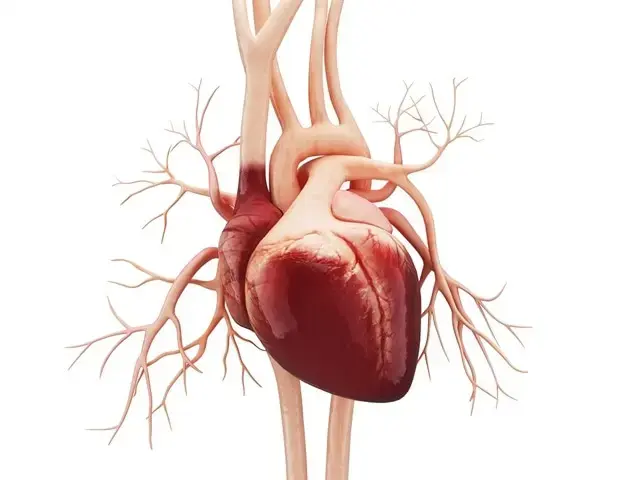
National Network Boosts Heart Transplant Research
Advancing Personalized Transplant Strategies
The American Heart Association is creating a national research network. This initiative aims to improve heart transplant care across the U. S. It builds on six decades of progress since the first successful heart transplant. The program launches this year, addressing longstanding challenges in the field.
Health news
 Sleep May Be the Heart's Nightly Repair Window, Study Suggests
 APOE Genotype Influences How Well Blood Tau Protein Predicts Cognitive Decline
 Pancreatic Cancer Hijacks Blood-Clotting System to Evade Immune Attack
 Survey Reveals Most Men Unaware Dairy May Increase Prostate Cancer Risk
Heart transplantation remains a critical, yet complex, procedure. Many patients face lengthy waits for suitable donor hearts. Post-transplant care requires lifelong immunosuppression. This medication prevents organ rejection but carries significant side effects. The new network seeks to streamline processes and enhance outcomes for these patients.
The network will connect leading transplant centers nationwide. Researchers will share data and expertise. This collaborative approach will accelerate discovery. It focuses on personalized medicine. The goal is to tailor treatment plans to each individual’s needs. This includes identifying biomarkers that predict transplant success or rejection.
Can We Eliminate Organ Rejection?
„We’re entering a new era of heart transplant care,” said a representative from the American Heart Association. „By uniting the best minds and resources, we can dramatically improve the lives of those waiting for and receiving these life-saving organs.” The network will also prioritize research into innovative technologies. These include improved organ preservation methods and advanced monitoring techniques.
A major focus will be on minimizing the need for immunosuppressant drugs. Researchers are exploring ways to induce immune tolerance. This would allow the body to accept the new heart without constant medication. Early studies show promise in modifying the recipient’s immune system. This could reduce the risk of rejection and improve long-term health.
The network will also address disparities in access to heart transplantation. Currently, certain populations face significant barriers to care. These include racial and ethnic minorities, as well as those living in rural areas. The initiative will work to ensure equitable access to this life-saving treatment. Data analysis will identify areas where improvements are needed.
This national network represents a significant investment in the future of heart transplant care. By fostering collaboration and innovation, it has the potential to transform the field. Improved outcomes and increased access will mean longer, healthier lives for countless patients. The program’s success will depend on continued funding and widespread participation from transplant centers across the country.
Frequently Asked Questions
What are the biggest challenges in heart transplantation today? The long wait times for donor hearts and the need for lifelong immunosuppression are major hurdles. These medications can have serious side effects and increase the risk of infection and cancer.
How will this network improve organ availability? The network will support research into better organ preservation techniques. This could extend the time a donor heart remains viable. It will also explore strategies to increase organ donation rates.
What role will data sharing play in this initiative? Sharing data across transplant centers will allow researchers to identify patterns and trends. This will lead to a better understanding of transplant outcomes and help personalize treatment plans.
Content written by Dr. Elena Voss for wellness-bio-radar.com editorial team, AI-assisted.