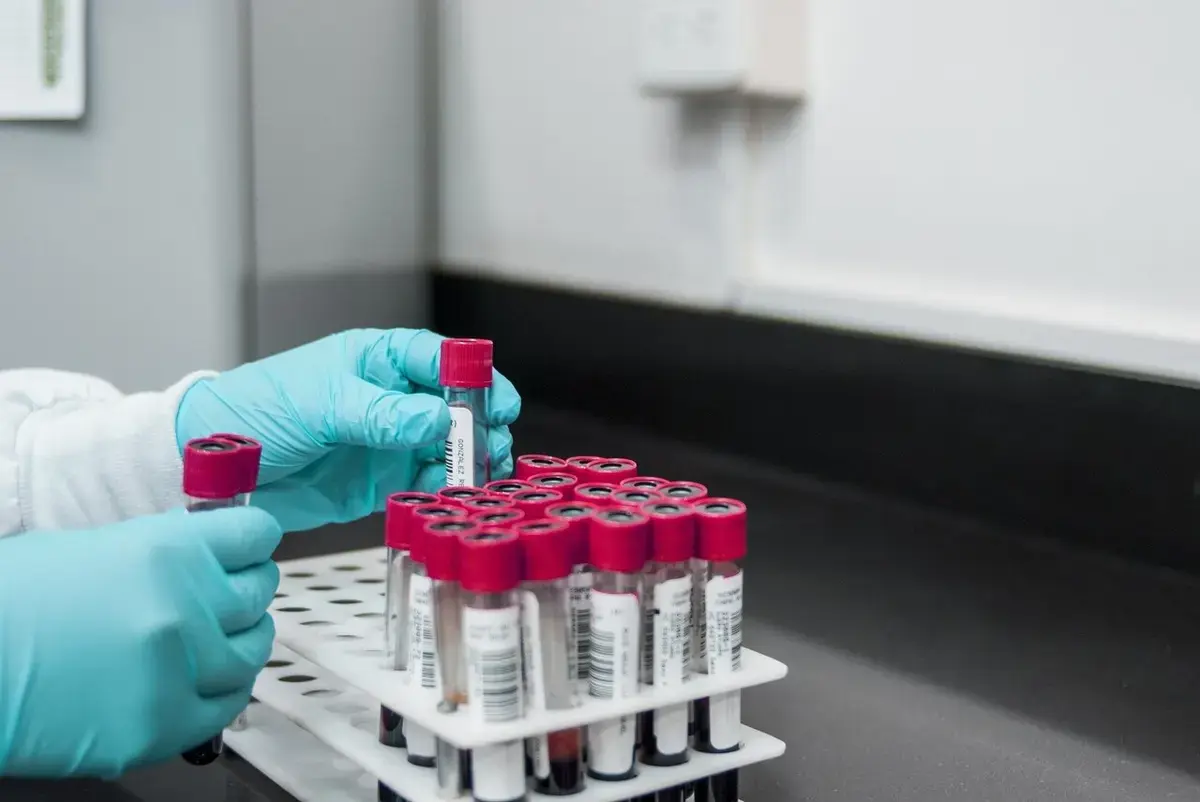
New Blood Biomarkers Offer Hope for Early Detection of Alzheimer's Disease
Advancements in Alzheimer's Research
Alzheimer's disease is a serious neurodegenerative condition impacting millions globally. Recent research suggests that blood biomarkers may help identify the earliest signs of this debilitating illness, potentially leading to earlier interventions and improved patient outcomes.
Health news
 Sleep May Be the Heart's Nightly Repair Window, Study Suggests
 APOE Genotype Influences How Well Blood Tau Protein Predicts Cognitive Decline
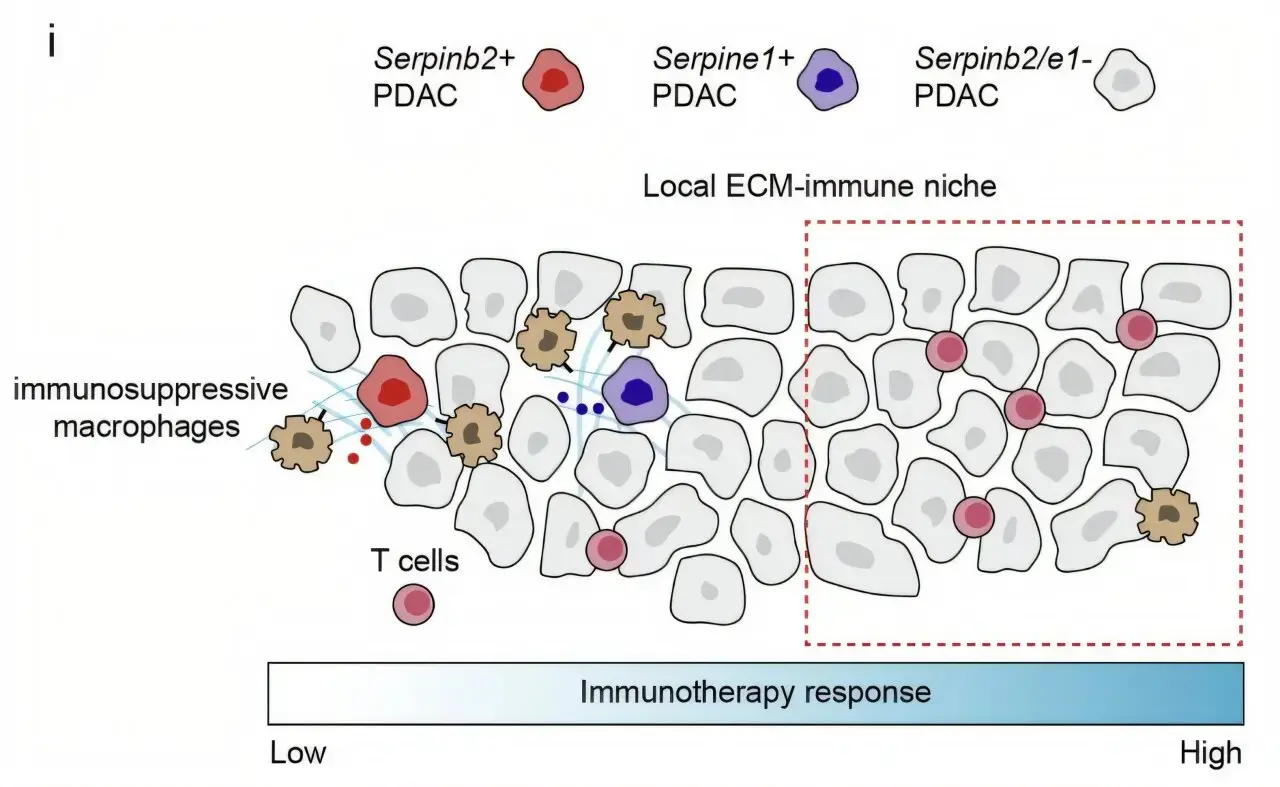 Pancreatic Cancer Hijacks Blood-Clotting System to Evade Immune Attack
 Survey Reveals Most Men Unaware Dairy May Increase Prostate Cancer Risk
Researchers are exploring how specific proteins in the blood can signal the onset of Alzheimer's. Early detection is crucial, as it allows for timely treatment that may slow the disease's progression. Current diagnostic methods often rely on cognitive tests and brain imaging, which can be costly and time-consuming. Blood tests could provide a more accessible and efficient alternative.
A team of scientists has been studying various blood biomarkers linked to Alzheimer's. These biomarkers can indicate changes in brain health even before symptoms appear. By analyzing blood samples, researchers hope to develop a straightforward test that can be administered in clinical settings. This could revolutionize how Alzheimer's is diagnosed and managed.
Can Blood Tests Replace Traditional Methods?
Dr. Andrew Zinin, a leading researcher in this field, emphasizes the importance of early intervention. „If we can detect Alzheimer's in its initial stages, we can potentially change the course of the disease,”he stated. The goal is not only to identify the disease but also to implement strategies that may slow its advancement.
While blood tests show promise, experts caution that they should complement existing diagnostic methods rather than replace them. Cognitive assessments and imaging techniques still play a vital role in understanding the full scope of the disease. However, the integration of blood biomarkers could streamline the diagnostic process and make it more accessible to patients.
The implications of this research are significant. As the global population ages, the number of individuals affected by Alzheimer's is expected to rise sharply. Finding effective ways to diagnose and manage the disease is becoming increasingly urgent. By utilizing blood biomarkers, healthcare providers may be able to offer better care for patients and their families.
Frequently Asked Questions
In conclusion, the discovery of blood biomarkers for Alzheimer's detection represents a breakthrough in the fight against this disease. Early identification and intervention could lead to improved quality of life for millions. As research continues, there is hope for more effective strategies to combat Alzheimer's.
What are blood biomarkers? Blood biomarkers are specific proteins or substances in the blood that indicate health conditions. In Alzheimer's research, they may signal early changes in brain health.
How could blood tests change Alzheimer's diagnosis? Blood tests could provide a quicker, more cost-effective way to detect Alzheimer's compared to traditional methods like cognitive tests and brain scans. This could lead to earlier treatment and better patient outcomes.
Content written by Dr. Elena Voss for wellness-bio-radar.com editorial team, AI-assisted.