New Drug Approved for Thyroid Eye Disease
A Breakthrough for Chronic Sufferers
The US FDA has given the green light to veligrotug, marketed as Lumvoa, for treating thyroid eye disease. This approval was granted on June 29, 2026. The drug is now available for patients suffering from this condition.
Health news
 Sleep May Be the Heart's Nightly Repair Window, Study Suggests
 APOE Genotype Influences How Well Blood Tau Protein Predicts Cognitive Decline
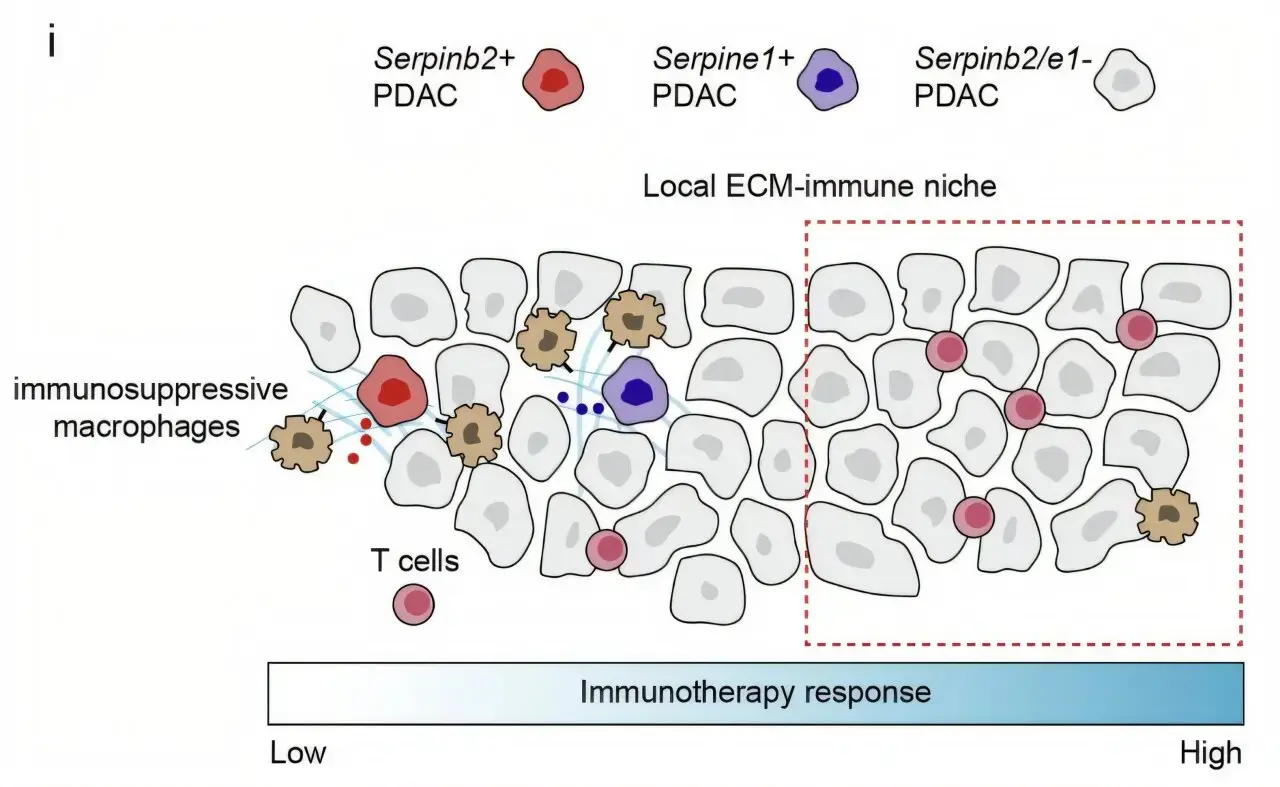 Pancreatic Cancer Hijacks Blood-Clotting System to Evade Immune Attack
 Survey Reveals Most Men Unaware Dairy May Increase Prostate Cancer Risk
Thyroid eye disease is a condition where the tissues around the eye, including the eyelids and the lacrimal gland, become inflamed. This inflammation is often associated with an overactive thyroid gland. Veligrotug works by targeting the underlying causes of the disease.
Can Veligrotug Change the Treatment Landscape?
Veligrotug's labeling includes data for both active and chronic forms of thyroid eye disease, making it a versatile treatment option. Clinical trials have shown that the drug is effective in reducing inflammation and improving symptoms in patients.
The approval of veligrotug marks a significant advancement in the treatment of thyroid eye disease. Patients can now access a new therapy that has been shown to be effective in managing their condition.
With veligrotug's approval, the treatment landscape for thyroid eye disease is expected to shift. Patients who were previously limited to other treatments now have a new option.
Frequently Asked Questions
The availability of veligrotug is likely to improve the quality of life for patients with thyroid eye disease. As more patients begin treatment, further insights into the drug's effectiveness are expected to emerge.
What is veligrotug used for? Veligrotug is used to treat thyroid eye disease, a condition characterized by inflammation around the eye. It is effective for both active and chronic forms of the disease. How does veligrotug work? Veligrotug targets the underlying causes of thyroid eye disease, reducing inflammation and improving symptoms. Is veligrotug available now? Yes, veligrotug is available now, following its approval by the US FDA on June 29, 2026.
Content written by Claire Ashworth for wellness-bio-radar.com editorial team, AI-assisted.