New Insights Into the Biological Triggers of Nephrotic Syndrome
Decoding the Ephrin-B1 Signaling Pathway
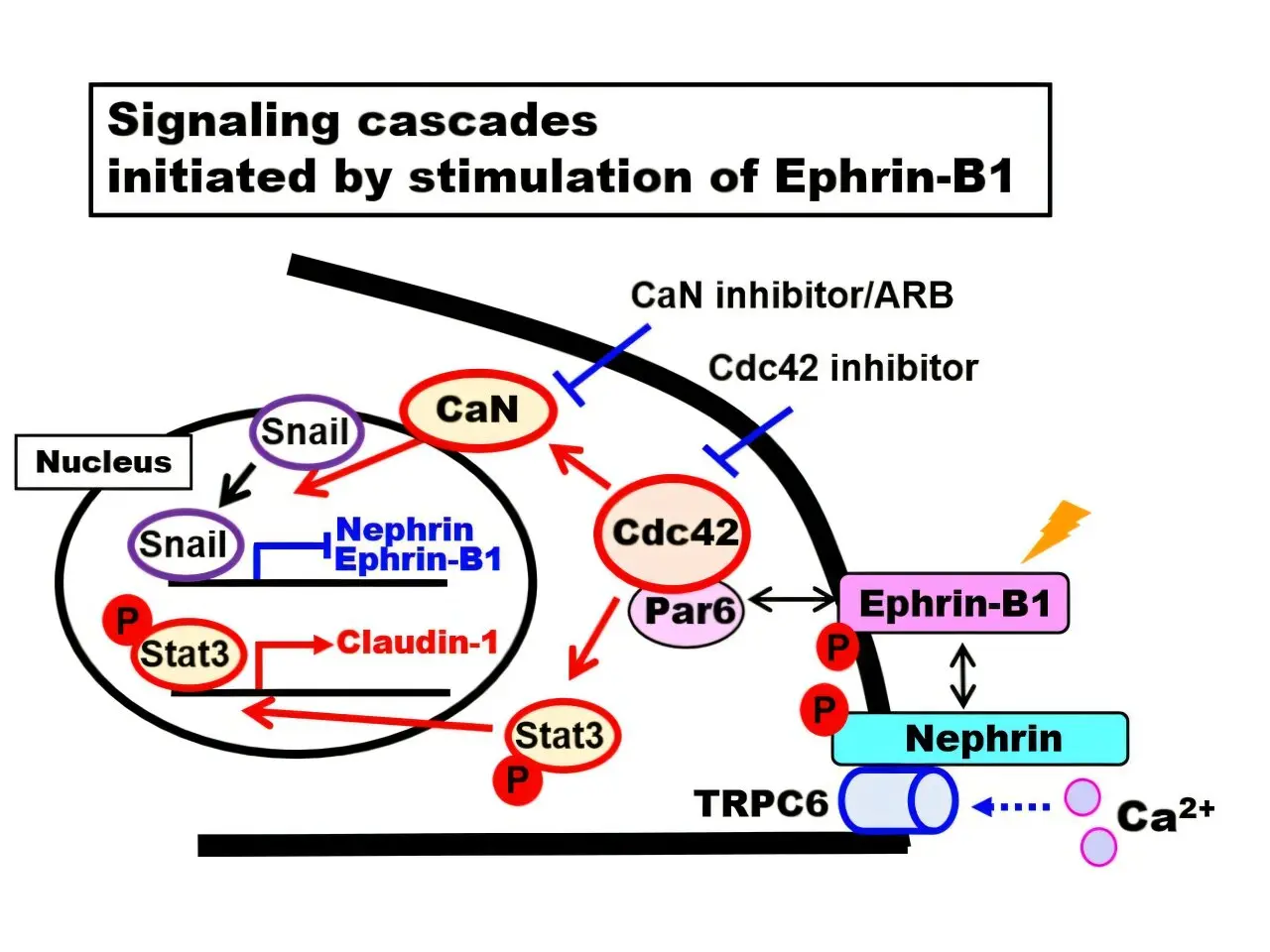
Researchers at the Niigata University Kidney Research Center have uncovered a previously unknown pathway behind nephrotic syndrome. Published in The American Journal of Pathology, the study identifies how direct stimulation of the protein Ephrin-B1 contributes to kidney damage. This discovery challenges existing assumptions about how the condition develops within the human glomerulus.
Health news
 Exercise and Mood: Italian Study Links Physical Activity to Lower Depression Symptoms
 Screen Time in Childhood Linked to Unexpected Cognitive Boost in Teens, 8‑Year Study Shows
 Workplace stress and anxiety are taking a heavy toll on employees, with one in three workers reporting that the strain is not easing
 Daily Food Habit Tied to Lower Risk of Anxiety and Depression
The team focused on the complex filtration units of the kidney known as glomeruli. They discovered that Ephrin-B1 can trigger disease processes without relying on calcium signaling. This calcium-independent mechanism provides a fresh perspective on how cellular communication breaks down during kidney dysfunction. By isolating this specific protein pathway, scientists have pinpointed a distinct trigger for the condition.
Nephrotic syndrome often involves the degradation of the filtration barrier, leading to protein leakage into urine. The research team demonstrated that when Ephrin-B1 is directly stimulated, it alters the structural integrity of kidney cells. This molecular interaction bypasses traditional pathways, suggesting that the disease may be more multifaceted than previously understood.
Could This Discovery Lead to Targeted Therapies?
The findings highlight the role of cell-to-cell signaling in maintaining renal health. By mapping this specific interaction, the researchers have identified a potential target for future therapeutic interventions. Understanding these molecular triggers is essential for developing treatments that address the root causes of glomerular damage rather than just managing symptoms.
The identification of this mechanism opens new doors for medical innovation. If clinicians can block the specific stimulation of Ephrin-B1, it might be possible to slow or stop the progression of nephrotic syndrome. Future studies will likely focus on how to safely modulate this protein to protect kidney function in patients at risk.
Frequently Asked Questions
This research marks a significant step forward in nephrology. By moving beyond traditional calcium-dependent models, the Niigata University team has provided a clearer picture of cellular pathology. This knowledge is vital for creating more effective, personalized treatment strategies for those suffering from chronic kidney conditions.
What is the primary significance of this research? The study identifies a new, calcium-independent way that Ephrin-B1 triggers nephrotic syndrome. This helps scientists better understand the molecular causes of kidney filtration failure.
How does this change current treatment approaches? While this is a foundational discovery, it suggests that targeting the Ephrin-B1 pathway could be a future strategy. It shifts the focus toward specific molecular interactions rather than broad systemic treatments.