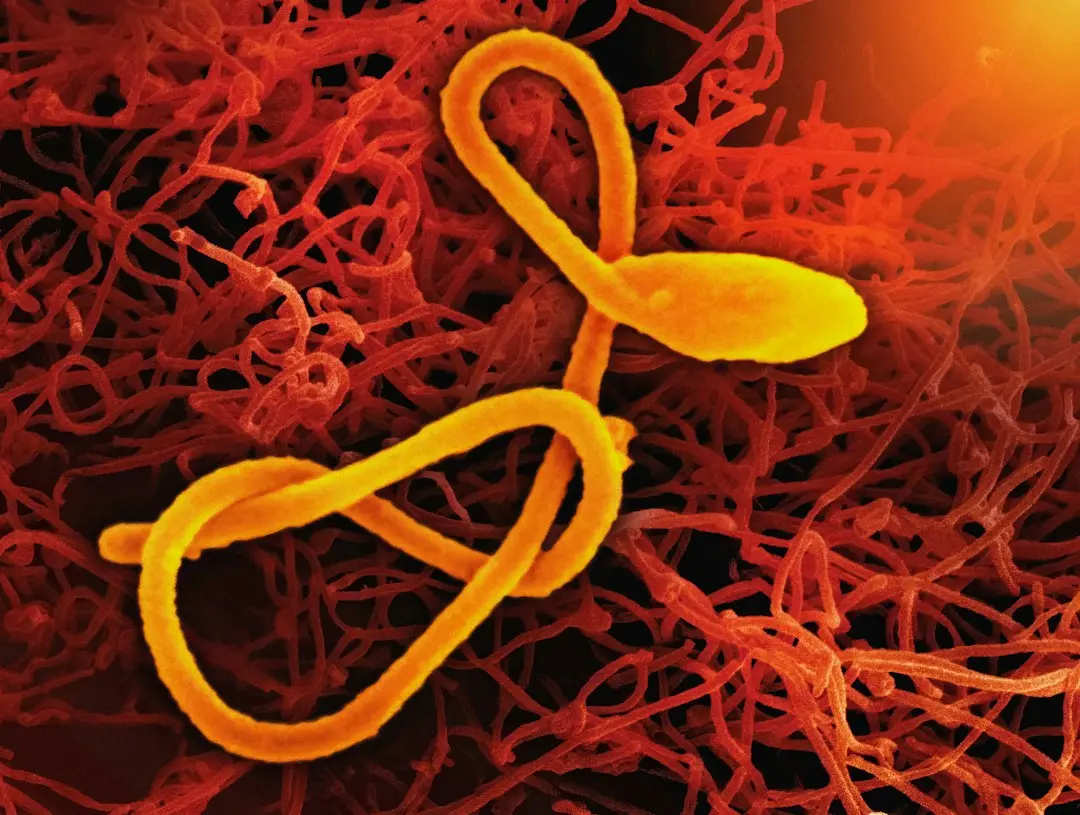
Protein Deficiency Identified as Key Factor in Biological Aging
Restoring Vital Cellular Functions
Researchers have identified a significant link between the decline of a protein known as Menin and the progression of biological aging. A study involving laboratory mice revealed that restoring this specific protein can effectively reverse age-related deterioration. These findings offer a potential new pathway for addressing cognitive decline and physical frailty in older populations.
Health news
 Beacon Biosignals Buys Snap Diagnostics to Expand Home Sleep Testing Reach
 The Scientific Reality of ADHD Diagnoses
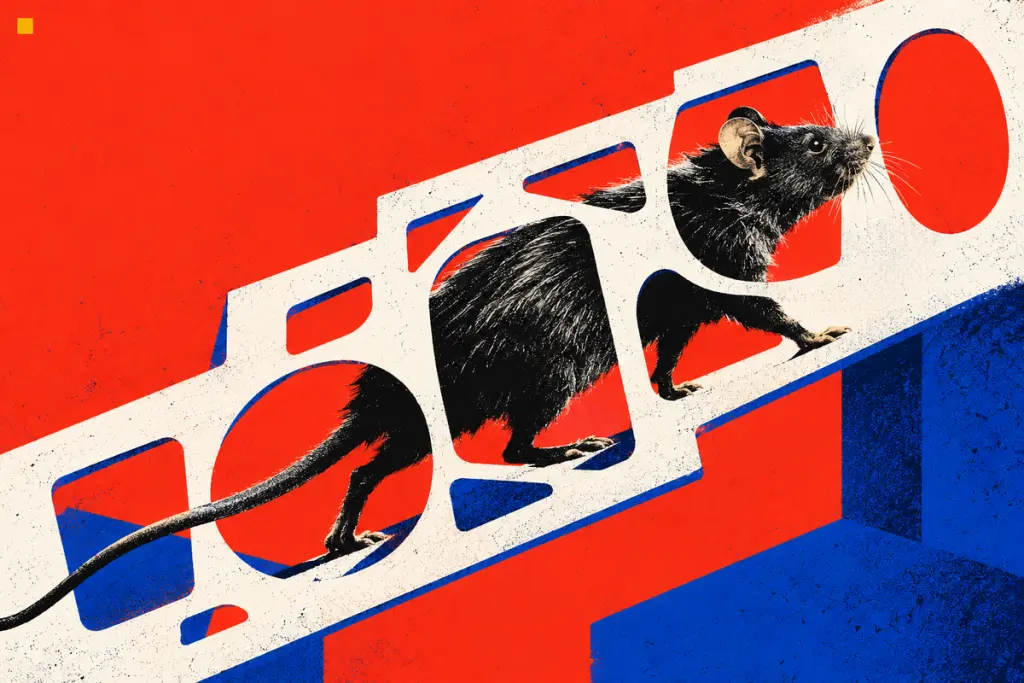 Revitalizing Aging Mice With New Geropeptide Trials
 Decoding the Limits of Biological Age Measurement Tools
The study highlights that Menin levels naturally drop as organisms age. When scientists replenished this protein in elderly mice, they observed a remarkable transformation within just 30 days. The treated animals demonstrated improved cognitive function and a reversal of several physiological markers typically associated with advanced age.
The research suggests that Menin acts as a critical regulator for maintaining cellular health. By stabilizing the protein, the team successfully mitigated the effects of time on the mice's biological systems. This process appears to rejuvenate tissues and neurological pathways that had previously suffered from age-induced degradation.
Could This Discovery Lead to Human Longevity Treatments?
The amino acid treatment used in the study proved to be a simple yet powerful intervention. By targeting the underlying protein deficiency, the researchers bypassed more complex biological obstacles. This method suggests that aging may be more malleable than previously understood, provided the right molecular triggers are activated.
While the results are promising, the transition from mice to human clinical applications remains a significant hurdle. Scientists must now determine if the same protein mechanisms function similarly in human biology. If successful, this could lead to therapeutic interventions designed to slow or even reverse age-related memory loss and physical decline.
The implications for geriatric medicine are profound. Rather than merely managing the symptoms of aging, this approach targets the biological drivers of the process itself. Future studies will focus on the long-term safety and efficacy of sustained protein restoration in living organisms.
Frequently Asked Questions
What is the role of Menin in the body? Menin is a protein that helps regulate cellular health and gene expression. Its decline is directly linked to the physical and cognitive symptoms of aging.
Does this mean we can reverse human aging? Not yet. While the results in mice are encouraging, further research is required to see if these findings can be safely replicated in human subjects.
How long did the reversal process take? In the study, the mice showed significant improvements in memory and physical markers after just 30 days of treatment.
Content written by Dr. Elena Voss for wellness-bio-radar.com editorial team, AI-assisted.