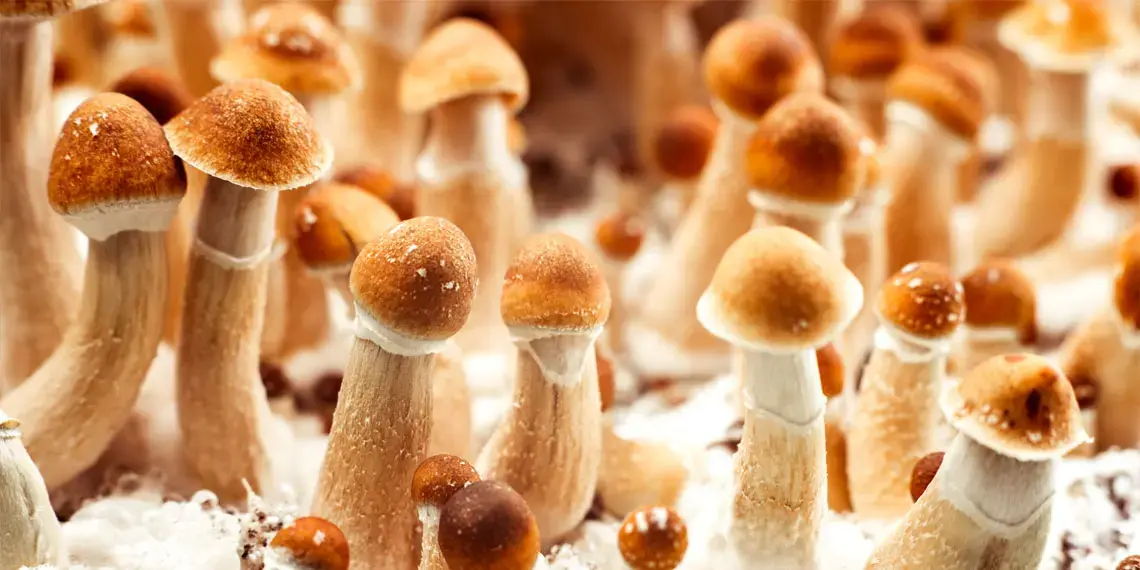
Psilocybin Therapy Shows Hope for Depression
Unlocking Emotional Pathways
A small, early trial indicates a new approach to treating major depressive disorder is promising. Researchers combined psilocybin, a psychedelic substance, with cognitive behavioral therapy. The study, conducted with a limited number of participants, suggests significant improvements in mental health. Results were recently published and are generating excitement.
Health news
 Sleep May Be the Heart's Nightly Repair Window, Study Suggests
 APOE Genotype Influences How Well Blood Tau Protein Predicts Cognitive Decline
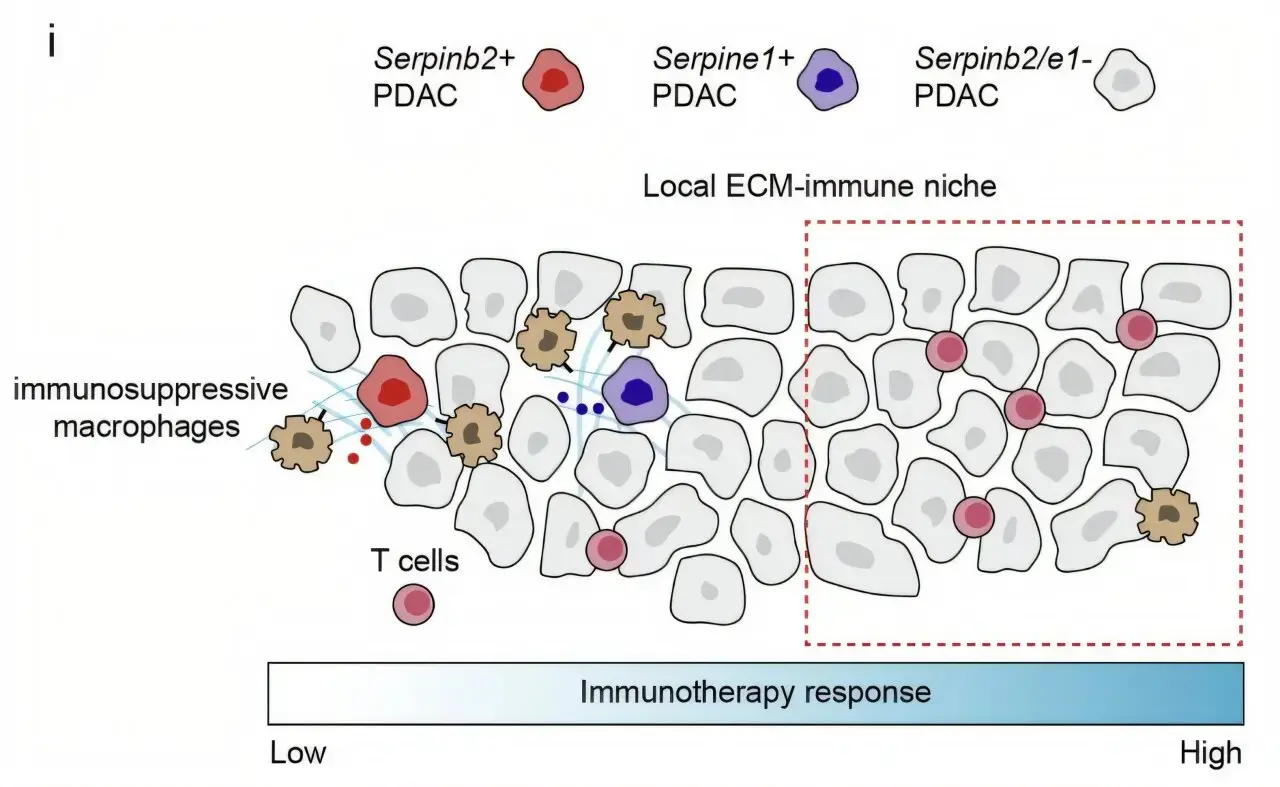 Pancreatic Cancer Hijacks Blood-Clotting System to Evade Immune Attack
 Survey Reveals Most Men Unaware Dairy May Increase Prostate Cancer Risk
The treatment involved carefully monitored sessions where participants received psilocybin alongside talk therapy. This combination aimed to address underlying emotional issues contributing to depression. Traditional antidepressants often focus on symptom management, but this approach seeks deeper, lasting change. The pilot study focused on safety and initial effectiveness, paving the way for larger trials.
Psilocybin is known for its ability to alter perception and consciousness. During therapy sessions, this altered state allowed patients to explore difficult emotions and memories. Cognitive behavioral therapy then helped them reframe these experiences. Researchers believe this combination facilitates a more profound and rapid therapeutic effect. Most participants in the trial experienced a substantial reduction in depressive symptoms.
Can Psychedelics Replace Traditional Treatments?
„We observed a remarkable shift in how patients related to their depression,” explained a lead researcher involved in the study. „The psilocybin seemed to unlock emotional pathways, making the therapy more effective.” The study emphasized the importance of a supportive and controlled environment during psilocybin administration. Safety protocols were strictly followed throughout the trial.
While the results are encouraging, experts caution against viewing this as an immediate replacement for existing treatments. This pilot study involved a small group, and larger, more diverse trials are needed. Researchers are currently planning phase two and three clinical trials to confirm these initial findings. They aim to determine optimal dosages and identify which patients might benefit most.
The potential benefits extend beyond symptom relief. Participants reported increased feelings of connection, meaning, and purpose in life. This suggests the treatment may address the existential aspects of depression, offering a more holistic approach to healing. However, accessibility remains a significant hurdle, as psilocybin is currently illegal in many jurisdictions.
Frequently Asked Questions
What are the potential side effects of psilocybin therapy? Some participants experienced temporary anxiety or discomfort during the psilocybin sessions. These effects were manageable with support from the therapy team. Careful screening and preparation are crucial to minimize potential risks.
Is this treatment suitable for everyone with depression? This therapy is not for everyone. Individuals with certain medical or psychiatric conditions may not be eligible. Further research will help determine which patients are most likely to respond positively.
How does this differ from simply taking psilocybin? The combination with cognitive behavioral therapy is critical. The therapy provides a framework for processing the experiences induced by psilocybin. This guided approach maximizes therapeutic benefits and minimizes potential harm.
Content written by Dr. Elena Voss for wellness-bio-radar.com editorial team, AI-assisted.