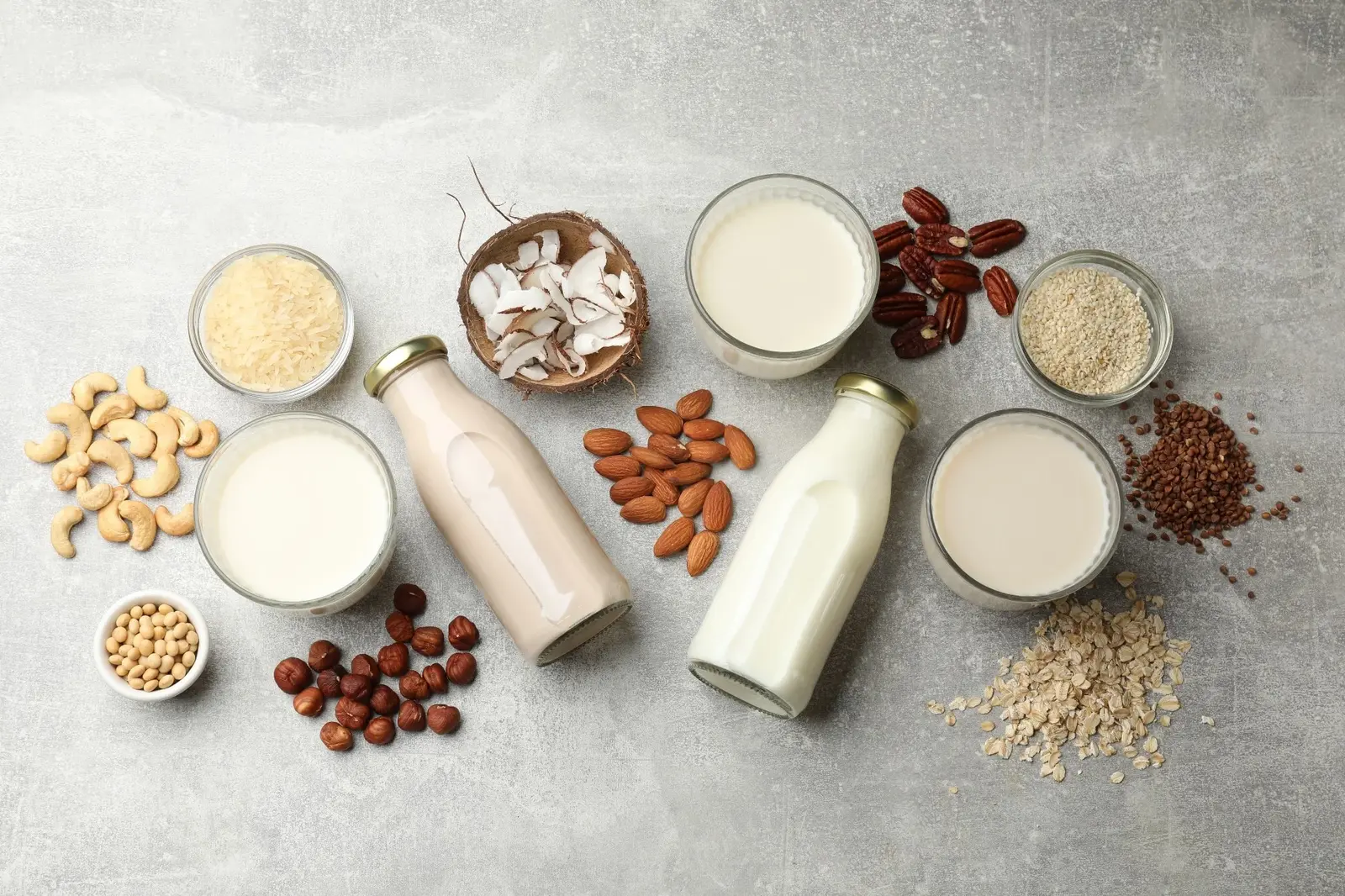
Rising Plant-Based Dairy Consumption May Trigger Widespread Iodine Deficiencies
Bridging the Mineral Gap Through Fortification
Researchers in the United Kingdom are warning that shifting toward plant-based diets could worsen iodine intake levels. A recent study highlights that replacing traditional dairy products with vegan alternatives may leave teenage girls and women particularly vulnerable. Experts emphasize that current nutritional gaps could widen significantly as plant-based trends continue to grow across the nation.
Health news
 Exercise and Mood: Italian Study Links Physical Activity to Lower Depression Symptoms
 Screen Time in Childhood Linked to Unexpected Cognitive Boost in Teens, 8‑Year Study Shows
 Workplace stress and anxiety are taking a heavy toll on employees, with one in three workers reporting that the strain is not easing
 Daily Food Habit Tied to Lower Risk of Anxiety and Depression
Dairy products currently serve as a primary source of iodine for many people. When consumers swap milk or yogurt for plant-derived substitutes, they often miss out on these essential minerals. This transition poses a specific risk to female populations who already struggle to meet recommended daily intake levels for optimal thyroid health and cognitive function.
The study suggests that the food industry must take proactive steps to prevent a public health crisis. Fortifying plant-based milks and yogurts with iodine could act as a vital safety net for consumers. By ensuring these alternatives match the nutritional profile of cow’s milk, manufacturers can help maintain dietary standards without forcing people to abandon their sustainable choices.
Can Simple Dietary Changes Protect Public Health?
Beyond specialized dairy alternatives, researchers are looking at staple foods as a delivery vehicle. Adding iodine to everyday bread could provide a consistent, population-wide solution. This strategy would ensure that even those who do not regularly consume dairy or plant-based substitutes receive adequate amounts of the mineral through their standard daily diet.
Addressing this issue requires a coordinated effort between food producers and policymakers. If the industry fails to standardize fortification, the long-term consequences for public health could be severe. Iodine deficiency is linked to various health complications, and failing to act now might lead to increased medical burdens in the future.
Frequently Asked Questions
Proactive fortification remains the most effective path forward. By integrating iodine into common food products, the UK can support the transition to sustainable eating while protecting the nutritional well-being of its citizens. This dual approach balances environmental goals with the fundamental necessity of maintaining a healthy, balanced diet for everyone.
Why is iodine important for the human body? Iodine is essential for producing thyroid hormones that regulate metabolism and support brain development. A lack of this mineral can lead to thyroid dysfunction and other health issues.
How can consumers ensure they are getting enough iodine? Consumers should check labels on plant-based milk to see if they are fortified with iodine. Additionally, eating a varied diet that includes seafood or iodized salt can help maintain healthy levels.