
Stress Fractures: How Chronic Tension Impacts Your Musculoskeletal System
The Physiological Cost of Constant Tension
Chronic stress triggers a sustained release of cortisol, which can disrupt muscle repair cycles. Elevated inflammatory markers often accompany prolonged periods of high pressure, leading to persistent soreness. This state prevents muscles from fully recovering between bouts of activity. Over time, minor micro-tears accumulate faster than they are repaired, creating a baseline of discomfort that affects daily movement and posture.
Health news
 NeuroXT Secures FDA Clearance for AI Alzheimer’s Risk Tool
 Fountain Life secures top longevity clinic honor for second year running
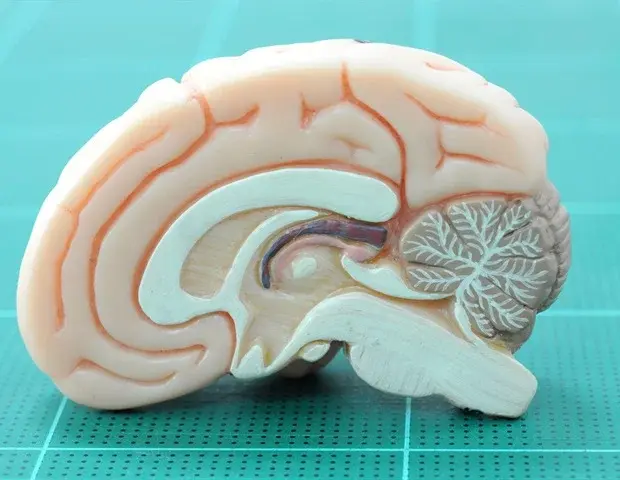 Brain Mechanisms for Merging Facial and Vocal Emotions Revealed
 Beacon Biosignals Buys Snap Diagnostics to Expand Home Sleep Testing Reach
Muscle tension acts as a physical barrier to efficient blood flow. When fibers remain contracted due to psychological or physical strain, oxygen delivery to the tissue decreases. This hypoxic environment accelerates the buildup of metabolic waste products like lactic acid. The result is a cycle of stiffness and pain that can mimic early stages of musculoskeletal degeneration if left unaddressed by targeted interventions.
Bones and joints rely on dynamic loading to maintain density and cartilage health.
Structural Integrity Under Mechanical Load
However, excessive repetitive stress without adequate rest windows can lead to overuse injuries. These conditions range from tendinitis to stress fractures, where the bone cannot adapt to the mechanical demands placed upon it. Proper load management is essential to balance strengthening stimuli with necessary recovery periods.
Soft tissue structures, including ligaments and fascia, also suffer under sustained imbalance. Poor postural habits exacerbate these issues, placing undue strain on specific muscle groups while underutilizing others. This asymmetry forces compensatory movements that increase the risk of acute injury during routine activities. Addressing these imbalances requires a holistic approach to physical conditioning.
Effective recovery extends beyond passive rest to include active restoration techniques. Controlled mobility work helps maintain range of motion without inducing further fatigue. Nutritional support focusing on anti-inflammatory compounds can accelerate tissue healing processes.
Recovery Protocols and Practical Management
Ensuring adequate sleep hygiene is equally critical, as growth hormone secretion peaks during deep sleep phases, facilitating cellular repair.
For those dealing with sudden physical setbacks, logistical support can ease the transition back to normalcy. Much like securing a reliable mașină de schimb gratuită during vehicle repairs, having a contingency plan for physical downtime ensures continuity. This might involve temporary adjustments to exercise routines or utilizing supportive equipment to prevent secondary injuries while primary issues resolve.
Monitoring your body’s feedback signals is key to long-term musculoskeletal health. Pain should be viewed as data rather than a nuisance to ignore. Regular check-ins with healthcare professionals can help distinguish between beneficial growth pains and warning signs of structural failure. Proactive management reduces the likelihood of chronic conditions developing from acute, manageable episodes.
Integrating Mental Health with Physical Resilience
The mind-body connection plays a pivotal role in how we experience and recover from physical stress.
Mindfulness practices have been shown to reduce perceived pain intensity and improve recovery outcomes. By lowering sympathetic nervous system activity, these techniques create a more favorable environment for tissue repair. Integrating mental resilience strategies complements physical training regimes effectively.
Longevity in the musculoskeletal system depends on consistent maintenance rather than sporadic intensive efforts. Small, daily habits contribute more significantly to overall joint health than occasional marathon sessions. Balancing strength training with flexibility work ensures that tissues remain pliable and strong. This balanced approach supports functional independence well into later decades of life.
Content written by Dr. Elena Voss for wellness-bio-radar.com editorial team, AI-assisted.