
Study Reveals Key Factors Influencing Type 2 Diabetes Risk
Lifestyle Choices: The Real Culprit?
A recent study involving 332,000 adults has identified significant factors contributing to the risk of developing type 2 diabetes. Conducted by researchers in June 2026, the findings suggest that genetics alone do not account for the majority of cases, indicating that lifestyle choices play a crucial role.
Health news
 Sleep May Be the Heart's Nightly Repair Window, Study Suggests
 APOE Genotype Influences How Well Blood Tau Protein Predicts Cognitive Decline
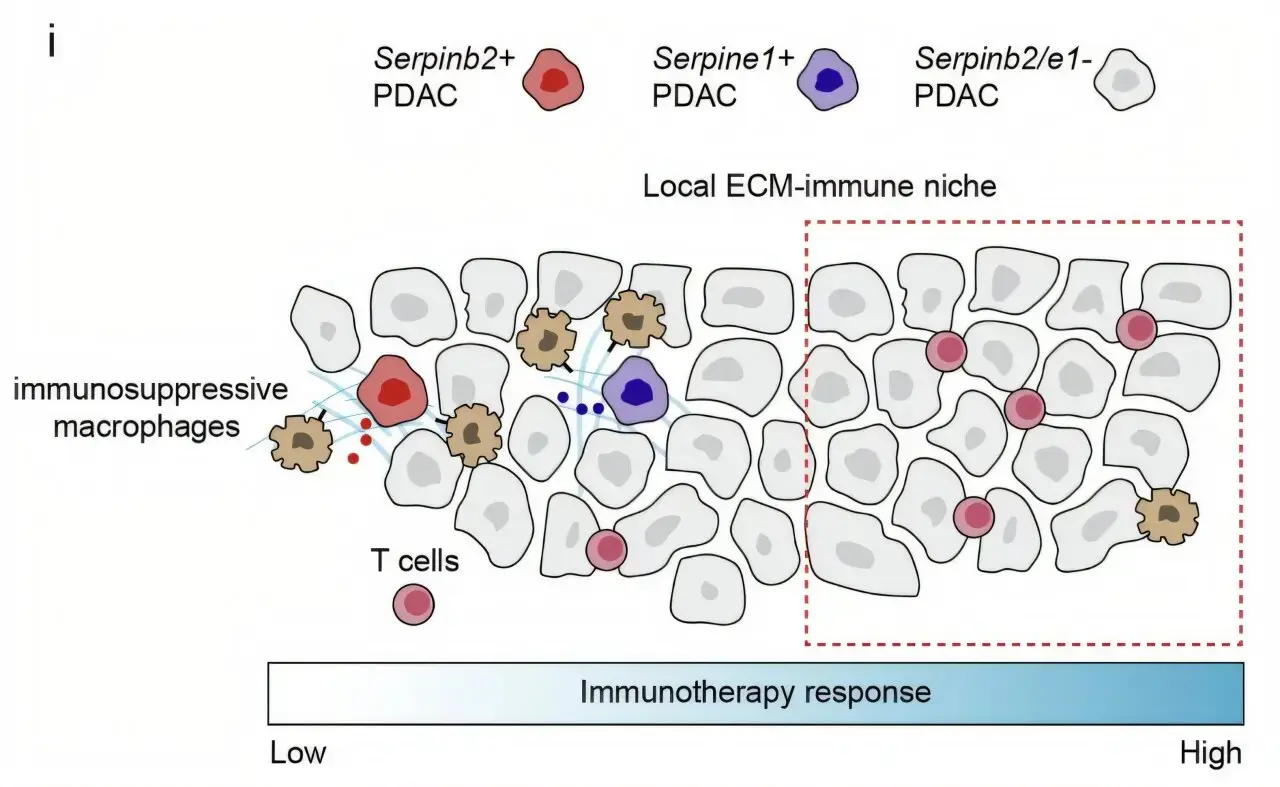 Pancreatic Cancer Hijacks Blood-Clotting System to Evade Immune Attack
 Survey Reveals Most Men Unaware Dairy May Increase Prostate Cancer Risk
The research highlights that over 50% of type 2 diabetes cases could potentially be prevented through lifestyle modifications. The study emphasizes the importance of diet, physical activity, and weight management in reducing diabetes risk. Researchers argue that understanding these factors can empower individuals to take proactive steps toward their health.
The study's results indicate that while genetics are a factor, they do not tell the entire story. Many individuals with a genetic predisposition for diabetes may never develop the condition if they maintain a healthy lifestyle. This revelation underscores the need for public health initiatives focused on education and support for healthier living.
Can We Really Prevent Diabetes?
Data from the study show that individuals who engaged in regular physical activity and followed a balanced diet had significantly lower diabetes rates. Experts believe that increasing awareness about these lifestyle factors can lead to better health outcomes. „It’s about making informed choices,” one researcher stated. „People need to understand that they have the power to change their risk.”
The question remains: can type 2 diabetes truly be prevented? The evidence suggests a strong possibility. By adopting healthier habits, individuals can drastically reduce their chances of developing the disease. The researchers advocate for community programs that promote nutrition education and physical fitness as essential tools in the fight against diabetes.
The implications of this study are profound. If more people take control of their health through lifestyle changes, the burden of diabetes on healthcare systems could lessen significantly. This proactive approach not only benefits individuals but also society as a whole.
Frequently Asked Questions
What lifestyle changes can reduce diabetes risk? Regular physical activity, a balanced diet, and maintaining a healthy weight are crucial in lowering the risk of type 2 diabetes.
How significant is genetics in diabetes risk? While genetics do play a role, the study shows that lifestyle choices have a more substantial impact on the likelihood of developing type 2 diabetes.
Are there community resources available for prevention? Yes, many communities offer programs focused on nutrition and physical fitness to help individuals adopt healthier lifestyles and reduce diabetes risk.
Content written by Marcus Reid for wellness-bio-radar.com editorial team, AI-assisted.