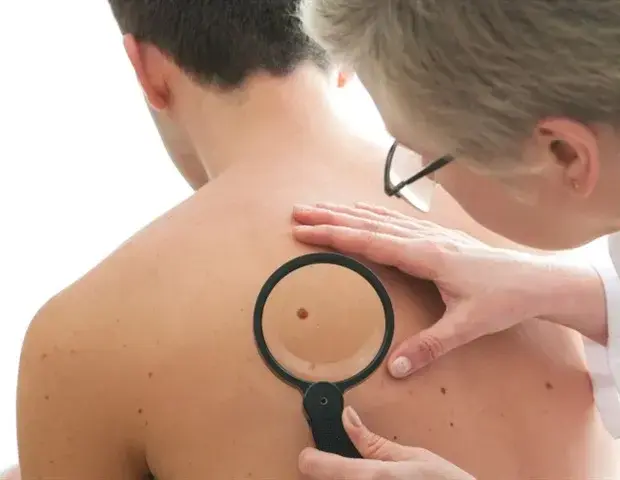
Tailored Drug Combinations Improve Melanoma Outcomes
Targeting Tumor Biology
Researchers at The University of Texas MD Anderson Cancer Center have made a breakthrough in treating advanced melanoma. A new study identified a way to tailor drug combinations based on specific tumor biology. The research was conducted using preclinical models from patients with treatment-resistant advanced melanoma.
Health news
 Voice Recording Predicts Age, Reveals New Biological Clock
 Popular Zero-Calorie Sweeteners May Pass Effects to Future Generations
 Movement Patterns Linked to Longevity
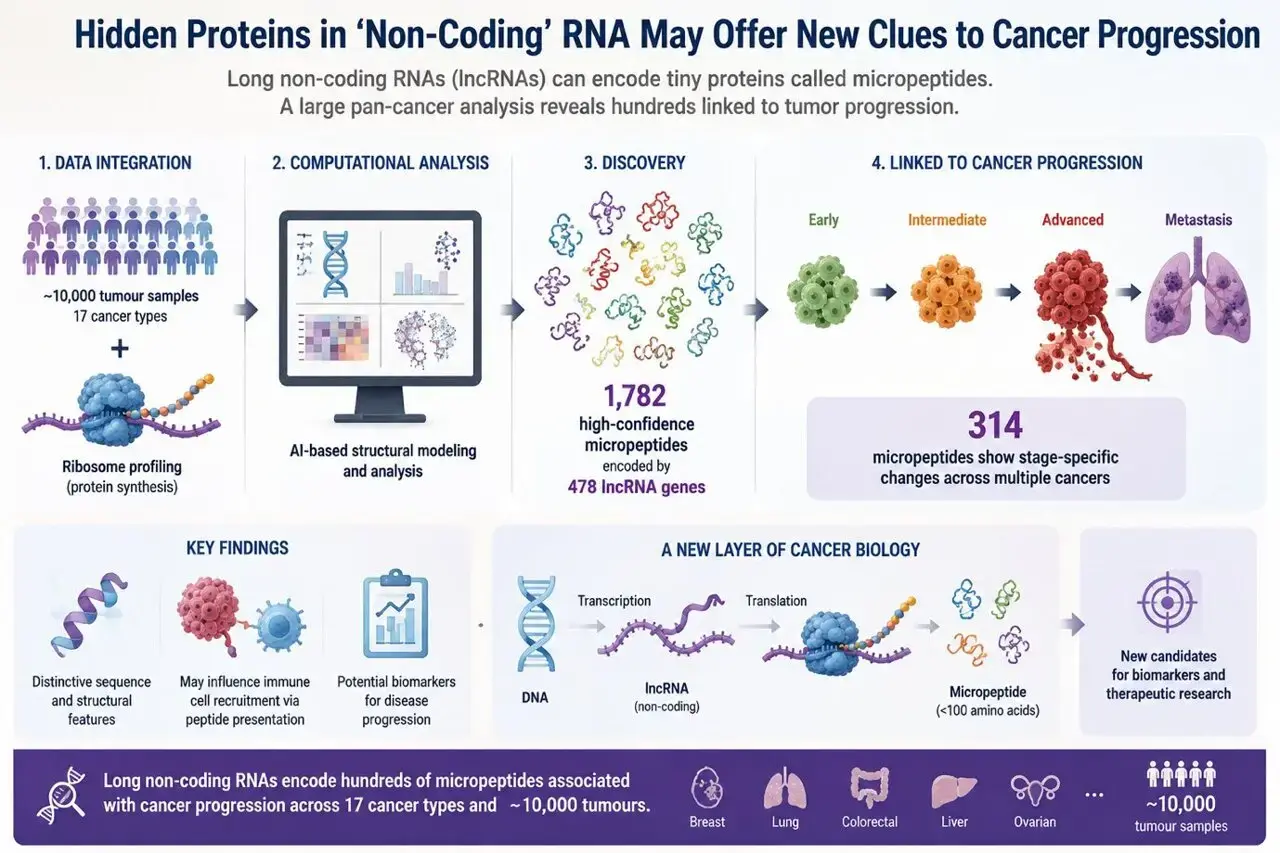 Hidden Proteins In Non-Coding RNA May Explain Cancer Spread
The study's findings suggest that understanding the biology of individual tumors is crucial in developing effective treatments. By analyzing the genetic characteristics of tumors, researchers can identify the most effective combination of drugs to target specific cancer cells. This approach has shown promise in improving outcomes for patients with treatment-resistant advanced melanoma.
The researchers used preclinical models to test various drug combinations, tailoring them to the specific genetic profiles of the tumors. This personalized approach allowed them to identify effective treatments that would not have been apparent through a one-size-fits-all approach. „We're moving towards a more precise and effective way of treating melanoma,”said the researchers.
Can We Overcome Treatment Resistance?
The study's results are promising, but the researchers acknowledge that more work is needed to overcome treatment resistance in advanced melanoma. Further research will focus on translating these findings into clinical trials and exploring new targets for therapy.
The study's findings have significant implications for the treatment of advanced melanoma. As researchers continue to develop and refine this personalized approach, patients with treatment-resistant melanoma may have new hope for effective treatment.
Frequently Asked Questions
What is the main finding of the study? The study identified a way to tailor drug combinations based on specific tumor biology to improve outcomes for treatment-resistant advanced melanoma. This approach involves analyzing the genetic characteristics of tumors to identify effective treatments.
How will this research impact treatment options? The research has the potential to lead to more effective treatments for patients with treatment-resistant advanced melanoma. It may also pave the way for personalized medicine approaches in other types of cancer.
What are the next steps for this research? The researchers plan to translate their findings into clinical trials, exploring new targets for therapy and refining their personalized approach to treating melanoma.
Content written by Marcus Reid for wellness-bio-radar.com editorial team, AI-assisted.