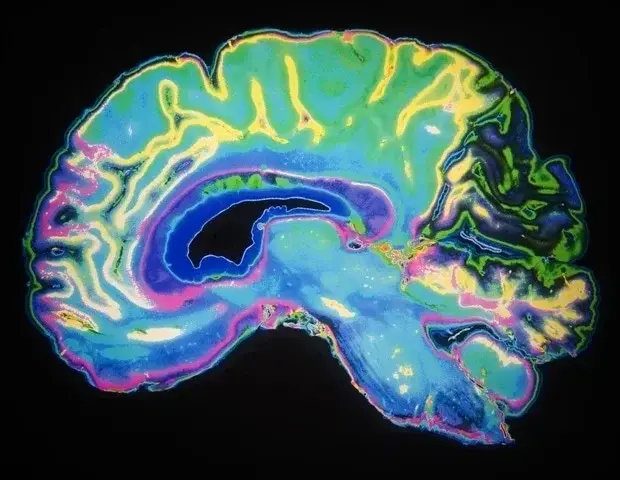
Unexpected discovery points to a possible route for childhood brain tumor treatments
While the exact nature of this interaction is still under study
Researchers at Lund University made an unexpected finding while studying how the molecule UM171 functions in multiplying blood stem cells. Their investigation, conducted in August 2026, revealed a potential link to treating one of the most common malignant brain tumors in children. The results suggest new possibilities for future therapies. UM171 is a synthetic molecule previously known for its role in expanding blood stem cells for transplantation. During their analysis, scientists observed that UM171 also influences biological pathways associated with pediatric brain tumor growth. This connection was not anticipated when the study began, as the molecule’s primary use had been in hematology rather than oncology. How UM171 Might Affect Brain Tumor Cells The team discovered that UM171 interacts with cellular mechanisms that regulate uncontrolled cell division, a hallmark of cancer. In laboratory models, exposure to the molecule led to changes in signaling patterns linked to tumor progression.
Health news
 APOE Genotype Influences How Well Blood Tau Protein Predicts Cognitive Decline
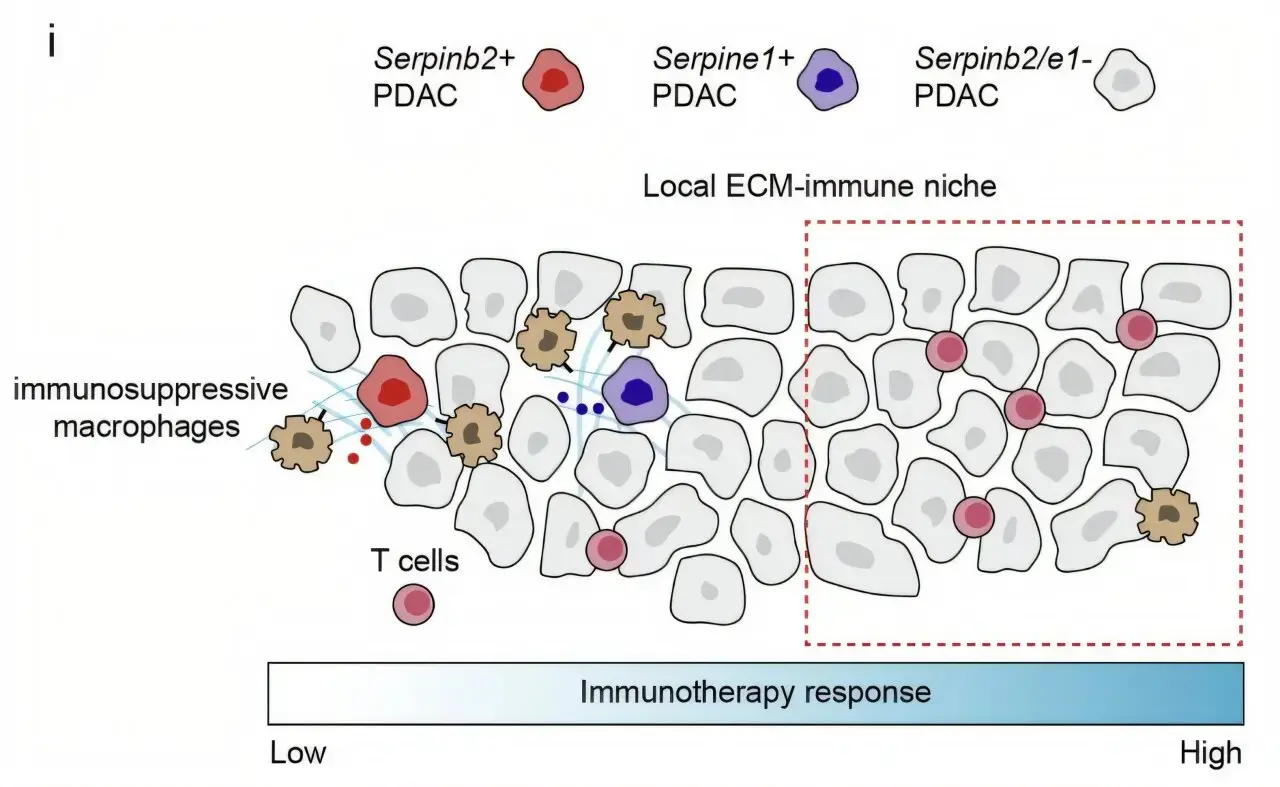 Pancreatic Cancer Hijacks Blood-Clotting System to Evade Immune Attack
 Survey Reveals Most Men Unaware Dairy May Increase Prostate Cancer Risk
 Therapeutic Gardening Shows Promise for Mental Health in Adults with Chronic Illnesses
While the exact nature of this interaction is still under study, the initial data indicate a modulating effect on genes involved in tumor survival. Could This Lead to New Treatment Approaches? Scientists are cautious but optimistic about the implications. They emphasize that the findings are preliminary and based on early-stage research. However, the discovery opens a avenue for exploring UM171 or similar compounds as part of future treatment strategies for childhood brain tumors. Further studies will be needed to determine safety and effectiveness in clinical settings. Frequently Asked Questions What is UM171 primarily used for? UM171 is a synthetic molecule used to stimulate the multiplication of blood stem cells, particularly in preparation for stem cell transplants. Why is this discovery considered unexpected? The researchers were studying UM171’s role in blood cell growth, not its effects on brain tumors, so finding a connection to pediatric cancer pathways was surprising.
What type of brain tumor might this relate to? The study suggests relevance to one of the most common malignant brain tumors in children, though the specific type was not named in the source material.
Content written by Dr. Elena Voss for wellness-bio-radar.com editorial team, AI-assisted.