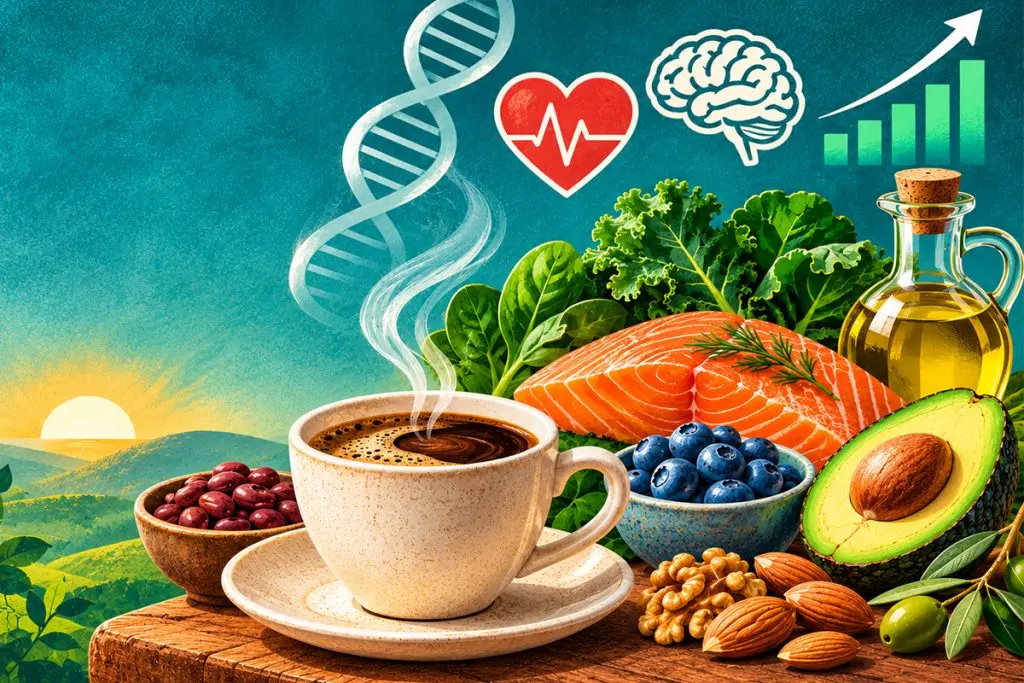
Your morning coffee may be written in your DNA
Why personalized nutrition still feels like guesswork
Nutrigenetics and chrononutrition now promise personalized diets tailored to individual biology. The real challenge is determining which test results actually guide useful dietary choices. Phil Newman, CEO of Longevity. Technology, has spent years managing a persistent battle with his own appetite.
Health news
 Exercise and Mood: Italian Study Links Physical Activity to Lower Depression Symptoms
 Screen Time in Childhood Linked to Unexpected Cognitive Boost in Teens, 8‑Year Study Shows
 Workplace stress and anxiety are taking a heavy toll on employees, with one in three workers reporting that the strain is not easing
 Daily Food Habit Tied to Lower Risk of Anxiety and Depression
Newman described himself as a heavier man trapped in a lighter frame. He admitted he would happily consume everything in sight if left unchecked. His experience illustrates the core problem with modern precision nutrition.
The science behind nutrigenetics analyzes how specific genes influence nutrient metabolism. Chrononutrition adds timing to the equation, suggesting when you eat matters as much as what you eat. Companies sell DNA-based diet plans, but many users report confusion over which results are actionable.
Can a DNA test really tell you what to eat?
Newman’s company focuses on translating raw genetic data into practical meal guidance. The goal is to move beyond generic health advice toward individualized recommendations.
Experts caution that a single test rarely provides a complete picture. Genetic variation affects how the body processes caffeine, fats, and carbohydrates. For Newman, the insight helped him understand why his cravings were so intense. He now structures his meals around specific time windows, aligning food intake with his metabolic peaks.
The broader trend reflects a shift from one-size-fits-all dieting to biology-driven eating patterns. As testing costs fall, more consumers will seek personalized nutrition plans. The key question remains whether genetic data can reliably predict optimal meal timing and composition for every individual.