ADHD and Gut Health: Surprising Insights from New Research
Scientists are now exploring how probiotics, prebiotics
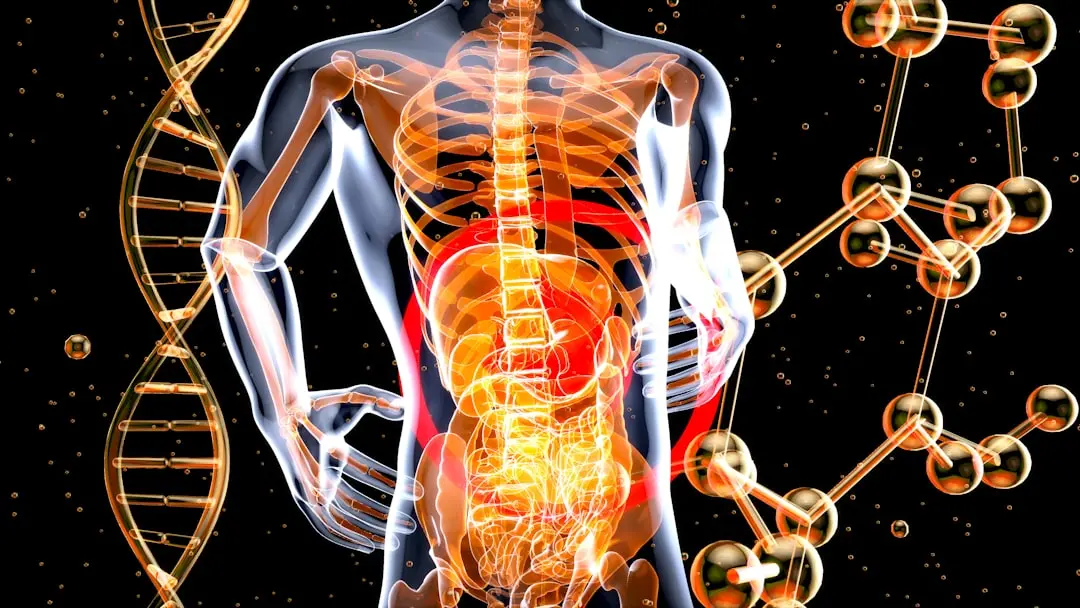
Recent studies reveal a strong connection between gut health and attention-deficit/hyperactivity disorder symptoms, suggesting digestive imbalances may influence brain function and behavior in children and adults with ADHD. Researchers emphasize that what occurs in the gastrointestinal system can directly affect neurological processes, challenging the idea that gut and brain operate independently. This emerging link opens new pathways for non-pharmaceutical interventions targeting the microbiome. The gut-brain axis, a communication network involving nerves, hormones, and immune signals, plays a key role in regulating mood, focus, and inflammation. Imbalances in gut bacteria, known as dysbiosis, have been observed in individuals with ADHD, potentially worsening symptoms like impulsivity and inattention. Dietary factors, antibiotic use, and stress can disrupt this microbial balance, triggering inflammatory responses that may reach the brain.
Health news
 Sleep May Be the Heart's Nightly Repair Window, Study Suggests
 APOE Genotype Influences How Well Blood Tau Protein Predicts Cognitive Decline
 Pancreatic Cancer Hijacks Blood-Clotting System to Evade Immune Attack
 Survey Reveals Most Men Unaware Dairy May Increase Prostate Cancer Risk
Scientists are now exploring how probiotics, prebiotics, and dietary changes might restore equilibrium and support cognitive function. How Diet Influences ADHD Symptoms Through Gut Health Nutritional choices significantly impact gut microbiota composition, which in turn affects neurotransmitter production, including serotonin and dopamine—chemicals vital for attention and reward processing. Diets high in processed foods, sugar, and artificial additives may promote harmful bacterial growth, while fiber-rich foods, fermented products, and omega-3 fatty acids support beneficial microbes. Some clinical trials show symptom improvement in children with ADHD following elimination diets or increased intake of whole foods, though results vary. Experts caution that dietary changes should complement, not replace, established treatments without professional guidance. Can Improving Gut Health Reduce Reliance on Medication? While no evidence suggests gut-focused approaches alone can replace ADHD medication, they may enhance overall treatment outcomes when used alongside behavioral therapy and prescribed drugs.
Researchers stress the importance of individualized assessment, as microbiome
Researchers stress the importance of individualized assessment, as microbiome profiles differ widely among patients. Future studies aim to identify specific bacterial strains linked to symptom severity, potentially leading to targeted probiotic therapies. For now, maintaining a balanced diet and monitoring digestive health remain practical steps for families seeking holistic support. Frequently Asked Questions Can gut health directly cause ADHD? No, gut health does not cause ADHD, which is a neurodevelopmental disorder with genetic and environmental roots. However, poor gut function may exacerbate symptoms in those already diagnosed. Should children with ADHD take probiotics? Probiotics may help some individuals, but effects vary. Consult a healthcare provider before starting supplements, especially for children. Is there a specific ADHD diet? No single diet works for everyone, but reducing processed foods and increasing fiber, fruits, vegetables, and healthy fats may support gut and brain health.
Content written by Dr. Elena Voss for wellness-bio-radar.com editorial team, AI-assisted.