Asthma Attacks Reshape Airway Tissue
Uncovering the Mechanics of Asthma
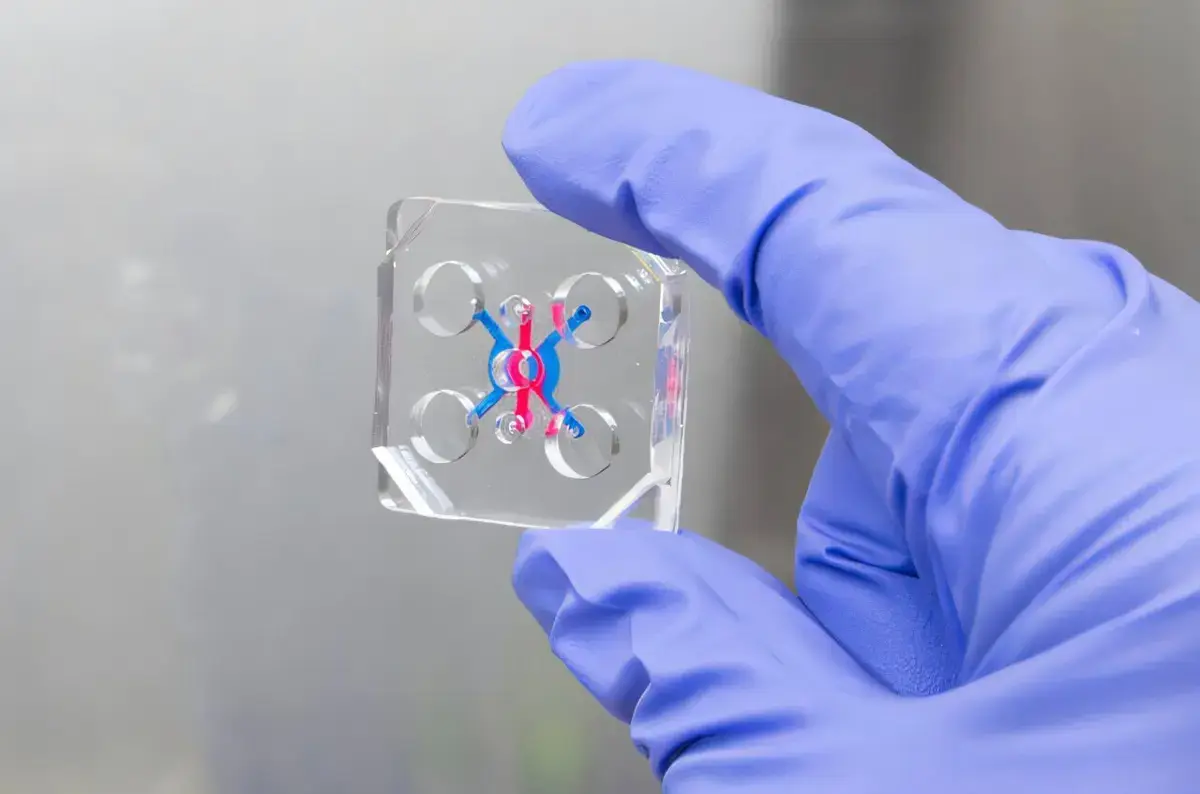
About 25 million people in the US have asthma, a condition where airways narrow and swell, making breathing difficult. Researchers at Binghamton University are studying the condition using a lung-on-a-chip model. This technology mimics the human lung's environment.
Health news
 Voice Recording Predicts Age, Reveals New Biological Clock
 Popular Zero-Calorie Sweeteners May Pass Effects to Future Generations
 Movement Patterns Linked to Longevity
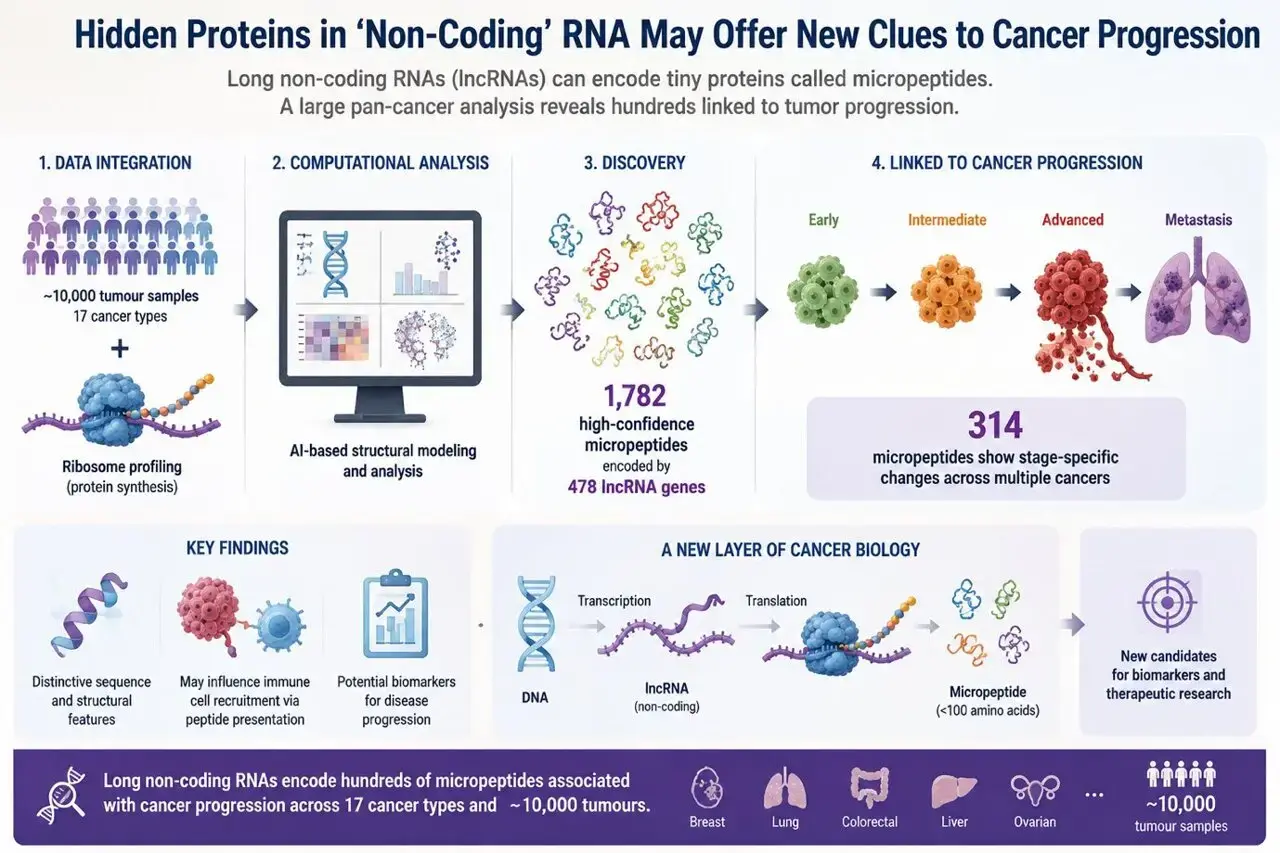 Hidden Proteins In Non-Coding RNA May Explain Cancer Spread
Asthma attacks cause mechanical stress on airway tissue, leading to changes in its structure. The lung-on-a-chip model allows scientists to observe these changes in real-time. By replicating the conditions of an asthma attack, researchers can gain a deeper understanding of the underlying mechanisms.
Frequently Asked Questions
The lung-on-a-chip model is a microfluidic device that contains living cells and mimics the mechanical stress of breathing. When subjected to the conditions of an asthma attack, the airway tissue in the model undergoes significant changes. The cells become inflamed, and the tissue remodels itself.
According to Assistant Professor Jungwook JayPaek, the technology provides a unique insight into the biological processes involved in asthma. We're able to see the changes in the airway tissue in real-time, which is not possible with traditional methods. Can We Reverse the Damage? The research has significant implications for understanding the long-term effects of asthma on the airways. By studying the changes that occur during an asthma attack, scientists may be able to develop new treatments to prevent or reverse the damage. The lung-on-a-chip model could also be used to test the effectiveness of existing treatments.
The study's findings could lead to a better understanding of how to manage asthma and potentially develop new therapies. As researchers continue to explore the mechanics of asthma, they may uncover new ways to mitigate its effects.
Content written by Marcus Reid for wellness-bio-radar.com editorial team, AI-assisted.